Tsuya Beauty
Tsuya Beauty
Tsuya Beauty
Targeted daily skincare serums designed for maximum bioavailability and rapid skin barrier restoration under intense sub-Saharan UV index conditions.
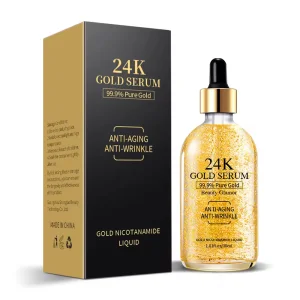
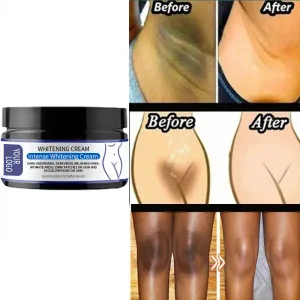
An analytical breakdown of consumer dynamics, meteorological influences, and growth projection within the West African cosmetic epicenter.
The cosmetic market in Nigeria has undergone a fundamental structural pivot over the past decade. Rapid urbanization, combined with the emergence of a highly digitally connected youth demographic in major hubs like Lagos, Abuja, Port Harcourt, and Kano, has accelerated the demand for high-efficacy active skincare. Among the ingredients experiencing exponential search volume growth and market penetration, Niacinamide (Vitamin B3) holds a dominant position. Its rise is primarily propelled by user intent aimed at addressing hyperpigmentation, sebum overproduction, and acne scarring—conditions exacerbated by Nigeria's hot, humid tropical climate and high UV index.
Historically, the West African skincare landscape relied on heavy occlusives or aggressive skin-lightening products. Modern consumers, however, are increasingly demanding skin barrier protection, health-first brightness, and cellular repair. Niacinamide is uniquely suited to melanin-rich skin (Fitzpatrick skin types IV to VI), as it inhibits the transfer of melanosomes to keratinocytes without causing cellular toxicity or rebound hyperpigmentation. This scientific reality has driven local brand founders, dermatologists, and beauty distributors to establish robust supply pipelines with specialized global manufacturers capable of producing stable, highly bioavailable Niacinamide formulations.
Furthermore, the fluctuating macroeconomic landscape in Nigeria—characterized by currency adjustments and import tariff variations—has prompted local cosmetic entrepreneurs to shift away from importing finished Western retail brands. Instead, they are turning towards private label partnerships with Chinese Smart Factory 4.0 manufacturers. This allows local brands to achieve higher margins, control retail pricing strategies, and tailor active ingredient profiles to the specific needs of West African consumers, effectively creating high-end home-grown brands with international formulation credentials.
Formulating Niacinamide for the Nigerian market requires deep physiological insight. At Hangzhou Tsuya Beauty Co., Ltd., we focus on synergistic active combinations that address skin issues caused by high humidity and heat. Niacinamide is a water-soluble vitamin that is highly stable against light and oxidation, making it ideal for tropical distribution. However, the final formula must balance sebum control with hydration to prevent dryness-induced irritation.
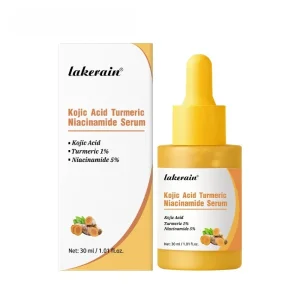
For example, combining Niacinamide with Zinc PCA regulates sebum production without stripping the skin barrier, a common concern in the humid climates of Lagos and Port Harcourt. To address hyperpigmentation, we combine Niacinamide with Kojic Acid, Tranexamic Acid, and Alpha Arbutin. These complexes target multiple pathways of melanogenesis, providing visible brightening without the risks associated with hydroquinone.
Additionally, we integrate advanced delivery systems like liposomal encapsulation. This ensures the active ingredients penetrate deeper skin layers, improving efficacy and stability in high-temperature retail environments.
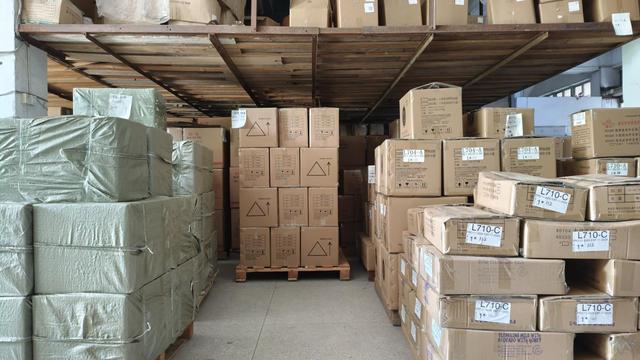
Unlocking technological advantages to build strong, profitable private-label beauty empires in Africa.
Our smart factories feature automated emulsification and packaging lines, minimizing human error and ensuring consistent texture, viscosity, and active concentration across every batch.
By sourcing raw materials directly and utilizing vertical integration, we insulate local Nigerian brands from sudden global supply shortages, ensuring uninterrupted product availability.
We provide full documentation, including Certificates of Analysis (CoA), MSDS, and formulation disclosures, simplifying the NAFDAC registration process for import clearance.
Explore our production capabilities designed to maintain high quality standards for global exports.
Hangzhou Tsuya Beauty Co., Ltd. operates a high-capacity production facility built to ISO 22716 and GMPC standards. We utilize multi-stage reverse osmosis water purification systems to ensure that the base of every serum is free of microscopic ions and bacteria, preventing product degradation under West African temperatures. Our manufacturing process features computerized temperature monitoring during emulsification, ensuring that heat-sensitive actives like Peptides, Retinol, and Vitamin C retain their potency.
To support emerging brands, we offer flexible MOQ structures along with customized packaging options, including airless pump systems and amber UV-resistant glass bottles. These packaging materials protect active ingredients from UV-induced oxidation, ensuring stability during maritime shipping to ports like Lagos (Apapa/Tin Can) and subsequent distribution throughout Nigeria.

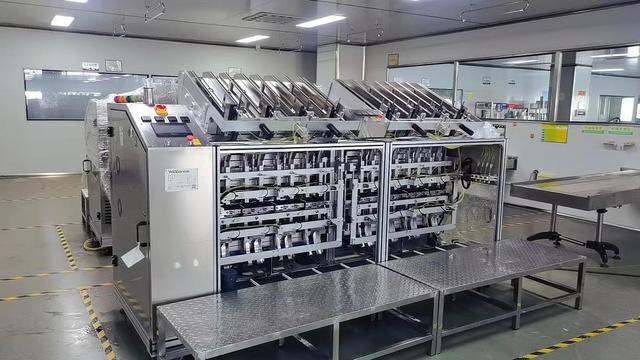
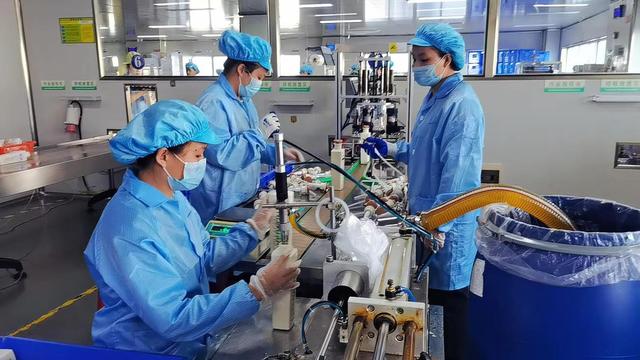
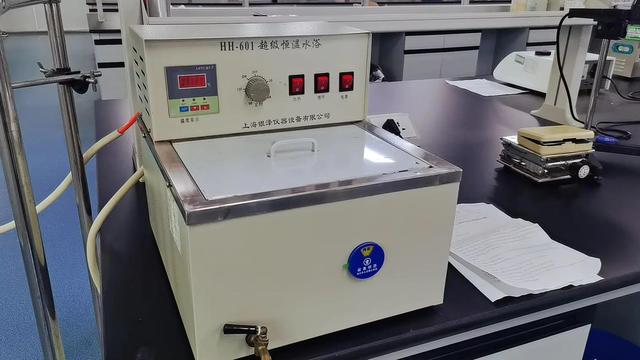
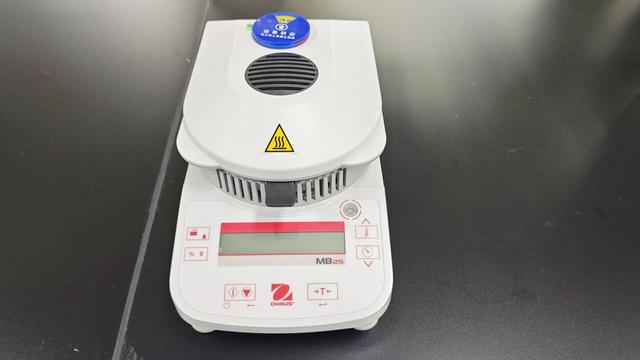
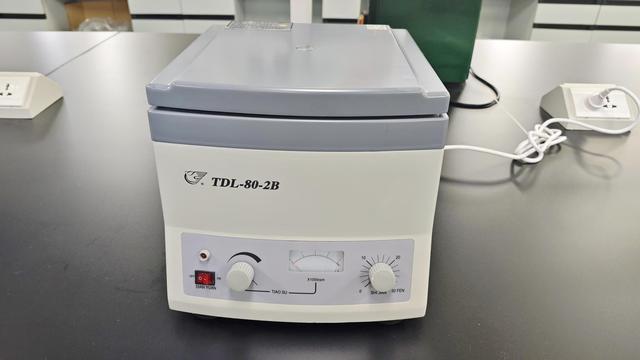

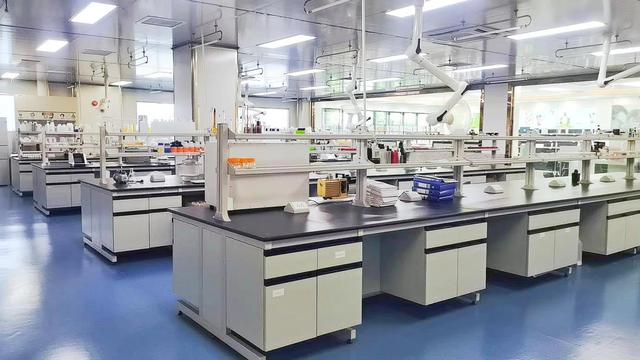
A diverse selection of advanced skincare formulas designed for high-performance and customizable private label brands.
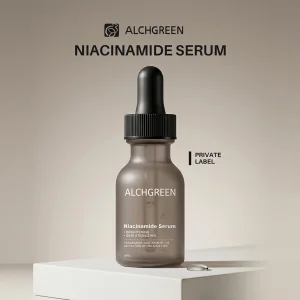
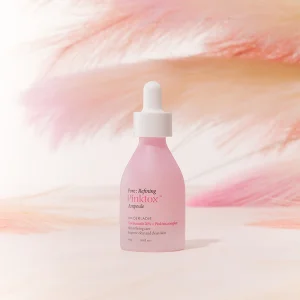
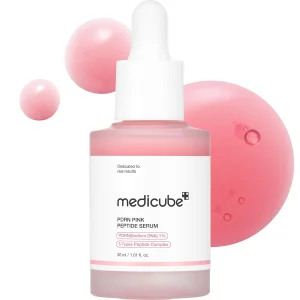
Analyzing how dynamic skin routines adapt to the environmental and climatic realities of West Africa.
Scenario A: High-Humidity Sebum Control in Coastal Lagos
In coastal areas like Lagos, ambient humidity routinely exceeds 80%. This leads to overactive sebaceous glands, resulting in a persistent oily sheen and clogged pores. Niacinamide, when combined with Zinc PCA or Centella Asiatica, helps regulate sebum production. This formulation refines pore appearance without drying out the skin, providing a matte base suitable for daily wear under makeup or sunscreen.
Scenario B: Preventing Harmattan Dryness & Skin Barrier Damage in Northern Nigeria
In Northern cities like Kano and Kaduna, the winter Harmattan brings dry, dusty winds that can compromise the skin barrier. Skincare products for this region require moisturizing agents that lock in hydration. Combining Niacinamide with Hyaluronic Acid, Squalane, and Ceramides helps prevent transepidermal water loss (TEWL) and soot-induced inflammation, keeping the skin barrier hydrated and intact.
Scenario C: Post-Inflammatory Hyperpigmentation (PIH) Treatment
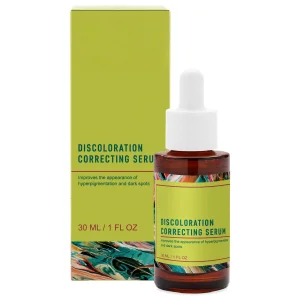
Melanin-rich skin is particularly prone to hyperpigmentation after inflammation from acne or minor injuries. Standard treatments can sometimes cause irritation or uneven lightening. A stable serum featuring 5% to 10% Niacinamide, combined with Tranexamic Acid and Glutathione, helps fade dark spots by limiting pigment transfer to surface cells. This provides a gentle, gradual evening of skin tone suitable for long-term daily use.
Expert technical insights regarding sourcing, formulation customization, stability, and import logistics for the Nigerian market.
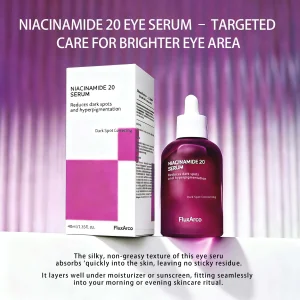
For most skin types, concentrations between 5% and 10% provide effective hyperpigmentation control and barrier repair with minimal irritation. In some cases, specialized 20% formulations are used for target treatments, such as pore minimization, and are often combined with soothing botanical extracts like Centella Asiatica to maintain skin comfort.
We use double-walled UV-resistant packaging, high-grade preservatives, and temperature-stabilized emulsifiers. Every formulation undergoes thorough freeze-thaw and high-temperature testing (up to 45°C) to ensure it maintains its stability and performance during sea freight and local warehousing in West Africa.
We provide comprehensive documentation packages for regulatory clearance, including Certificates of Analysis (CoA), Materials Safety Data Sheets (MSDS), microbiological test results, and stability reports. These documents support compliance with NAFDAC and other regional regulatory standards.
Standard production lead times range from 15 to 25 days once the formulation is approved and packaging designs are finalized. Shipping times vary depending on the destination port, with sea transit to Lagos taking approximately 35 to 45 days.