Tsuya Beauty
Tsuya Beauty
Tsuya Beauty
Engineered for high performance, cellular renewal, and environmental barrier support under the unique Southern Hemisphere climate.
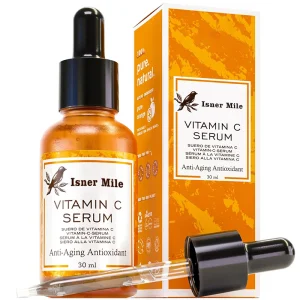
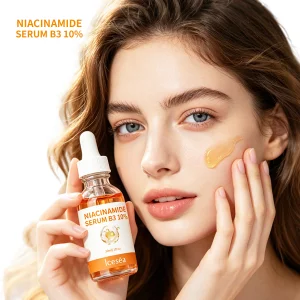
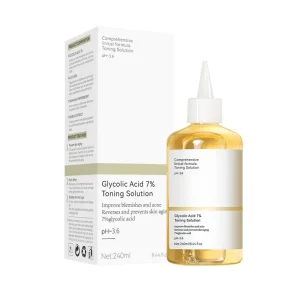
An In-depth B2B Technical Analysis of Formulating High-Performance Exfoliating Serums for the Oceanian Market.
The Australian cosmetic market represents one of the most discerning and safety-conscious spaces globally. Due to the unique Southern Hemisphere climate—characterized by extremely high UV indices, high levels of atmospheric dryness in the interior, and elevated humidity in coastal metropolitan regions such as Sydney, Melbourne, and Brisbane—the Australian consumer's skin barrier is constantly subjected to oxidative stress and accelerated photoaging. Consequently, the demand for exfoliating facial serums has shifted drastically from aggressive physical scrubs to highly advanced, biologically compatible chemical exfoliants.
Consumers down under demand formulations that not only accelerate cellular desquamation but simultaneously repair the skin's lipid barrier. Under the Australian Industrial Chemicals Introduction Scheme (AICIS), any cosmetic active imported must satisfy rigorous safety and environmental profiles. As a result, global exporters must provide formulations that balance therapeutic efficacy with deep dermatological safety, ensuring that transepidermal water loss (TEWL) is minimized even as outer stratum corneum layers are gently shed.
Information Gain Concept: Unlike traditional AHA serums that focus solely on stripping dead skin cells, modern Australian skincare formulations require a hybrid approach: coupling exfoliating organic acids with biomimetic calming agents (such as Centella Asiatica, Aloe Vera, and Niacinamide) to neutralize the inflammatory cascade typically triggered by low pH chemical agents.
Developing an effective exfoliating facial serum requires a precise understanding of the chemical properties of organic acids. The primary objective is to target the desmosomes—the cellular bridges holding dead epidermal cells together—without damaging the living layers of the epidermis. This requires optimizing three key metrics:
Alpha Hydroxy Acids (AHAs), such as Glycolic and Lactic acids, work primarily on the skin surface. Glycolic acid, with its tiny molecular size, penetrates quickly but can cause erythema if not buffered correctly. Mandelic acid, a larger aromatic AHA, offers a slower, more controlled penetration, making it highly suitable for sensitive Australian skin archetypes. Salicylic Acid (BHA), being oil-soluble, penetrates the lipid-rich follicular infundibulum, making it the gold standard for treating acne vulgaris and congested pores. By combining these acids with Polyhydroxy Acids (PHAs) like Gluconolactone, we construct a multi-depth exfoliation matrix that hydrates while it refines.
Targeted serums engineered with active peptide chains, botanical repair elements, and controlled acid delivery systems.
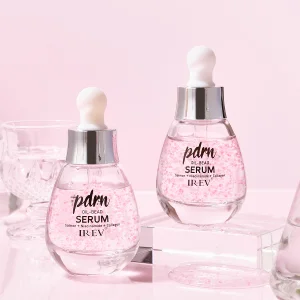
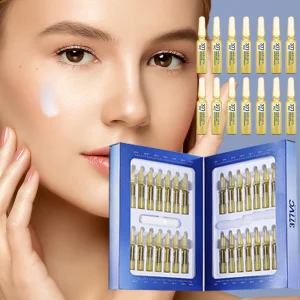
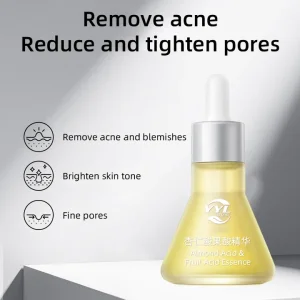
How our advanced manufacturing infrastructure in China drives scale, compliance, and custom formulation flexibility for Australian distributors.
As a leading global manufacturer, Hangzhou Tsuya Beauty Co., Ltd. has established a highly resilient, vertically integrated supply chain. By maintaining strategic alliances with global ingredient suppliers (certified by ECO-CERT and COSMOS), we guarantee the purity and consistency of our chemical exfoliants. Whether sourcing bio-fermented Lactic Acid, high-grade Salicylic Acid, or pharmaceutical-purity Niacinamide, our materials undergo exhaustive gas chromatography-mass spectrometry (GC-MS) testing before entry into our formulation chambers.
This strict level of control translates into massive competitive advantages for Australian brand owners. Rather than dealing with fragmented supplier networks that struggle with batch consistency, Tsuya Beauty acts as a single, consolidated manufacturer. Our facility boasts ISO 22716 and GMPC certifications, ensuring that cleanroom conditions mirror those required for medical-grade products. This resilience guarantees that seasonal changes, global shipping disruptions, or shifting raw material costs are neutralized, preserving your brand’s margin profile.
No two beauty brands are identical, and successful positioning in the Australian market requires product differentiation. Hangzhou Tsuya Beauty provides comprehensive, end-to-end design, packaging, and chemical formulation services (OEM/ODM):
Through our dedicated research division, we continuously pilot new formulations, such as self-neutralizing peels, time-released salicylic acid capsules, and multi-acid blends that integrate hydrators directly into the peeling phase.
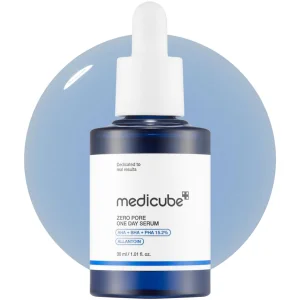
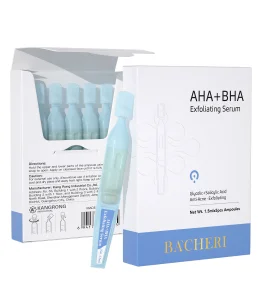
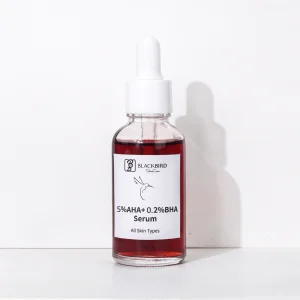
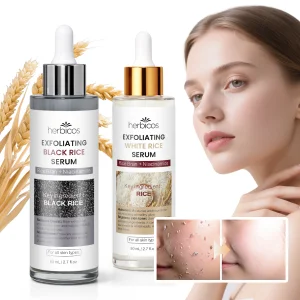
Explore our full spectrum of customizable serums, tailored to meet strict quality and efficacy benchmarks for international exporting.
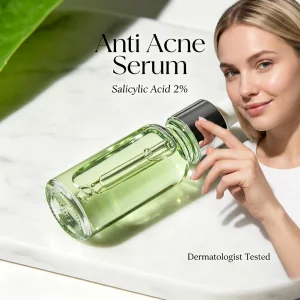
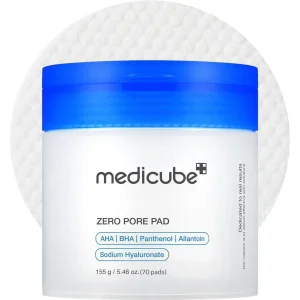
The technological direction of professional dermatological solutions, focus areas for raw material improvements, and compliance roadmaps.
The exfoliating skincare sector is undergoing a profound paradigm shift. Traditional formulations, which often relied on aggressive, unbuffered mono-acids, are being replaced by bio-intelligent, responsive systems. Our R&D team is actively commercializing technologies in three core domains:
Exporting to Australia requires strict alignment with the regulatory expectations of the Australian Competition and Consumer Commission (ACCC), AICIS, and the Therapeutic Goods Administration (TGA) for cosmetic vs. therapeutic declarations. Hangzhou Tsuya Beauty ensures all batches shipped are supported by comprehensive regulatory files, including:
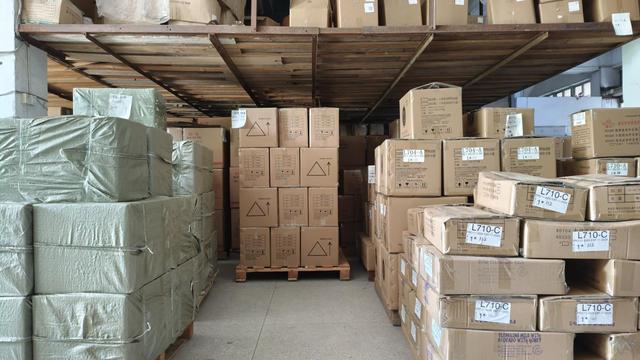
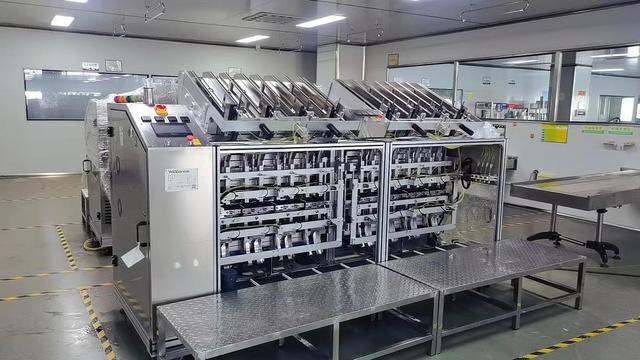
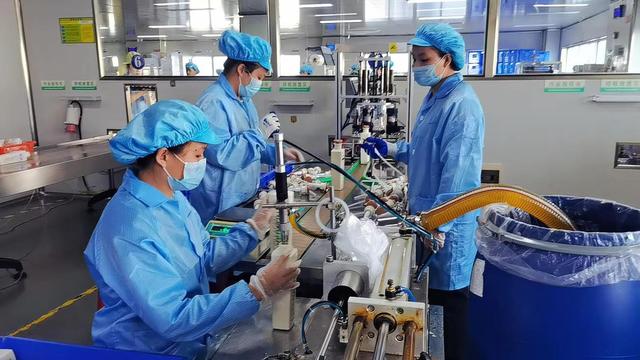
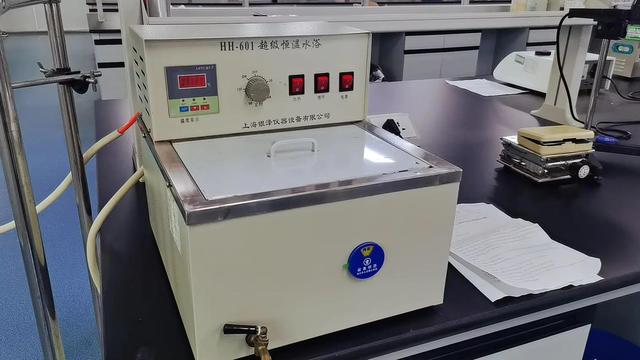
Take a virtual tour of Hangzhou Tsuya Beauty Co., Ltd.'s state-of-the-art production floors, quality testing labs, and processing capabilities.

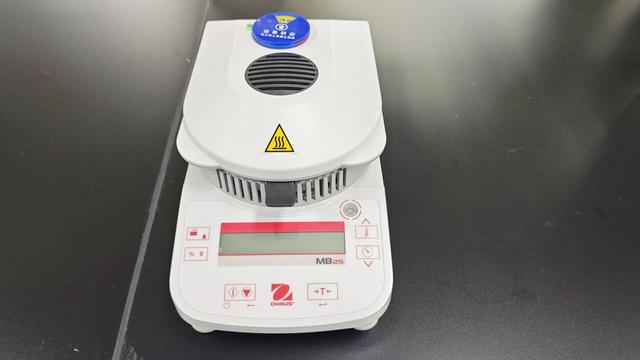
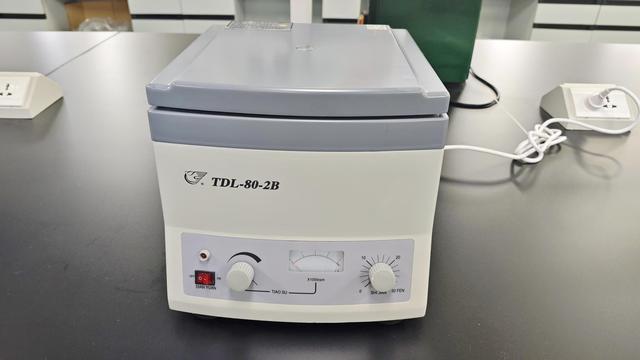
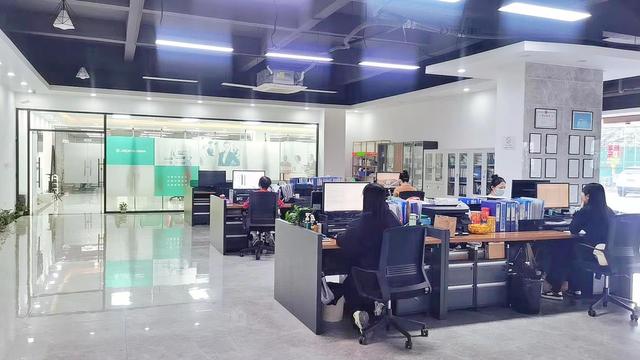
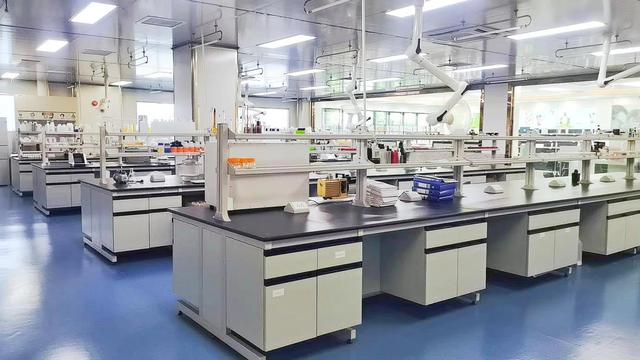
Answers to critical questions regarding formulations, compliance, shipping, and customization for Australian cosmetic brands.
Partner with Hangzhou Tsuya Beauty Co., Ltd. for scalable, high-compliance, and scientifically backed cosmetic manufacturing. Contact our Oceanic business office today for custom formulations and quotation sheets.
Send Inquiry Now