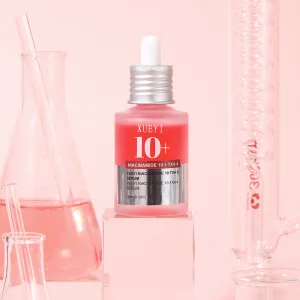
B2B Whitepaper & Catalog

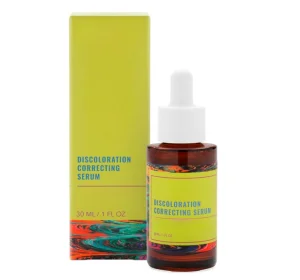
Dark Spot Correction Serums Manufacturers & Factories for the Greece market

Pioneering Hyper-Targeted Formulation Engineering and Scalable Supply Chains for Greek Pharmacies, Local Brands, and Global Beauty Distributors

Greece Cosmetic Market Dynamics & Skin Intent Landscape

Understanding the clinical, environmental, and demographic factors driving hyperpigmentation needs in Southern Europe.

Greece features a distinct climate and population profile that significantly influences B2C skincare purchases and B2B sourcing decisions. Boasting over 300 days of sunshine annually, Greek consumers face high ultraviolet (UV) exposure levels from early spring through late autumn. This intense climate contributes to a high rate of solar-induced melanogenesis, manifesting as solar lentigines (sun spots), post-inflammatory hyperpigmentation (PIH), and melasma.

Greek skin typologies fall predominantly within Fitzpatrick Skin Phototypes III, IV, and V. These skin types feature higher baseline melanin content, which makes them more prone to hyperpigmentation following UV exposure or inflammatory triggers like acne. Driven by local pharmacies (Φαρμακεία)—the primary distribution channel for cosmetic sales in Greece—consumers favor clinically validated active ingredients that deliver visible results without stripping the skin's barrier under the dry Mediterranean air.

Localized Application & Formulation Matching for Greece

Formulating for the Greek market requires adjusting viscosity and ingredient ratios to match regional consumer habits. Heavy, greasy creams perform poorly during hot Greek summers. Instead, lightweight, fast-absorbing serums are highly favored.

B2B buyers in Greece look for products with specific ingredients:

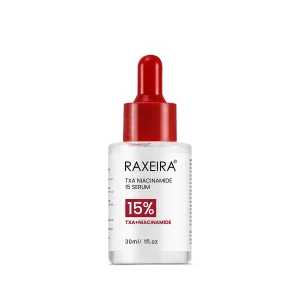
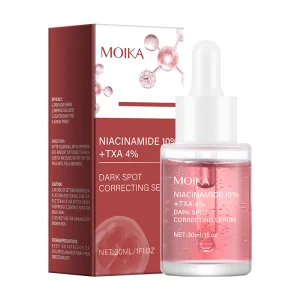
  • Tranexamic Acid (TXA) at 3% - 5%: Inhibits ultraviolet-induced plasminogen activation in keratinocytes, making it a reliable solution for persistent solar melasma.
  • Niacinamide (Vitamin B3) at 5% - 10%: Blocks the transfer of melanosomes to keratinocytes while strengthening the skin barrier against saline winds and sun exposure.
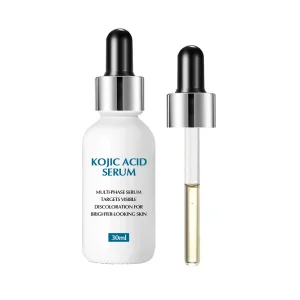
  • Kojic Acid & Alpha-Arbutin: Tyrosinase inhibitors that offer natural alternative pathways to hydroquinone, which is restricted in the EU.
  • Soothing Botanicals (Centella Asiatica, Panthenol, Turmeric): Crucial for calming post-sun irritation and preventing the inflammation that initiates hyperpigmentation.
300+
Sunny Days Annually in Greece
67%
Greek Women Reporting Melasma
48%
Pharmacy Channel Market Share
< 0.5%
Maximum Permitted EU Irritant Level

Global Industry Landscape & Supply Chain Efficiencies

How technological advancements and Chinese manufacturing efficiency are reshaping the cost structure of high-potency dermocosmetics.

1. Global Active-Ingredient Innovation
The global pigmentation treatment market is moving away from mono-actives and toward multi-pathway synergistic formulations. Combining tyrosinase inhibitors, melanosome transfer blockers, and enzymatic exfoliants into a single serum delivers better results than high-concentration single ingredients, which can easily trigger inflammatory pigment relapse.
2. Turnkey Manufacturing Speed
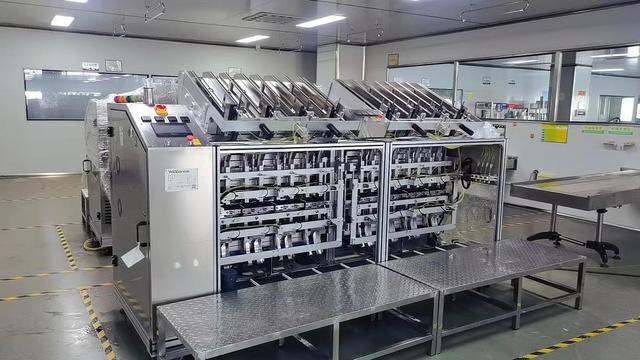
Speed-to-market is crucial for modern brands. Hangzhou Tsuya Beauty Co., Ltd. integrates local ingredient sourcing with fully automated filling lines to reduce lead times to 25–35 days, a significant improvement over the 60–90 days common among European manufacturers.
3. EU Regulatory Compliance & CPNP
All cosmetic products sold in Greece must meet the stringent requirements of the EU Cosmetic Regulation (EC) No 1223/2009. We supply complete Product Information Files (PIF), Safety Assessment Reports, and CPNP registration documentation, facilitating straightforward clearance at Greek customs and easy integration into European retail channels.

Why Sourcing from Chinese Factories Provides Information & Margin Advantage

China's skincare manufacturing industry is built around well-integrated supply chains, with cities like Hangzhou serving as major hubs for formulation and packaging. Working directly with Hangzhou Tsuya Beauty Co., Ltd. allows brands to access chemical synthesis and extraction technologies at scale, lowering the per-unit cost of complex formulas like Tranexamic Acid and Niacinamide.

By lowering manufacturing costs, Greek brands and distributors can preserve their gross margins. This allows them to invest more in pharmacy channel relations, localized digital marketing, and aesthetic clinic distribution network growth, bypassing the higher markups of European contract manufacturers.

Factory Strengths & Production Capabilities

Hangzhou Tsuya Beauty Co., Ltd. is a specialized facial serum manufacturer providing OEM/ODM services for private labels globally.

As an established skincare partner, Hangzhou Tsuya Beauty Co., Ltd. operates modern, climate-controlled facilities that adhere to GMP (Good Manufacturing Practices) and ISO 22716 certification standards. We manage the entire production process under strict quality controls, from raw material sourcing and formulation stability testing to packaging and final distribution.

Our product capabilities cover a range of skin concerns, including dry, aging, and hyperpigmented skin. Popular formulations include Niacinamide solutions, Vitamin C serums, and Multi-weight Hyaluronic Acid moisturizers.

Tailored OEM/ODM Process:

We offer customizable services to meet the specific requirements of our clients. Whether you need a specific active concentration, custom packaging design, or assistance with local market compliance, our R&D team works closely with you to finalize your product formula.
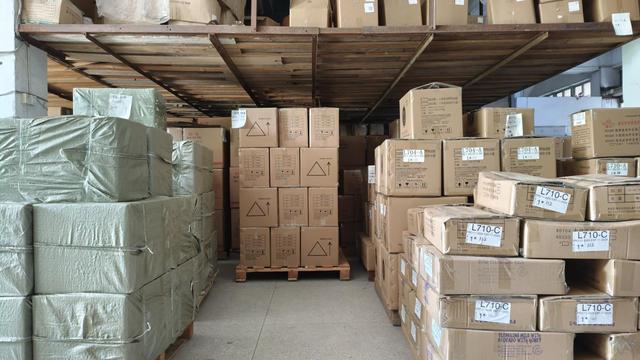

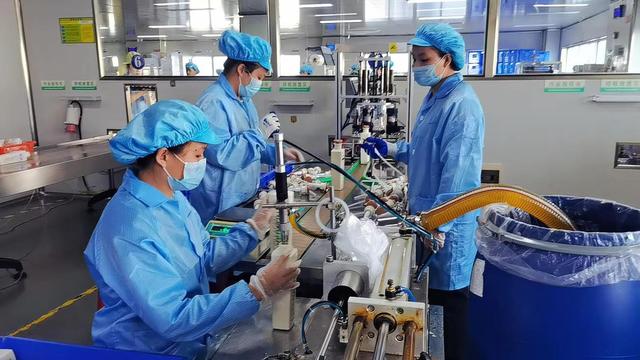
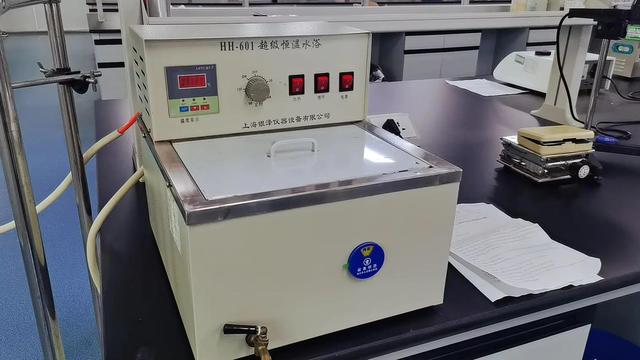
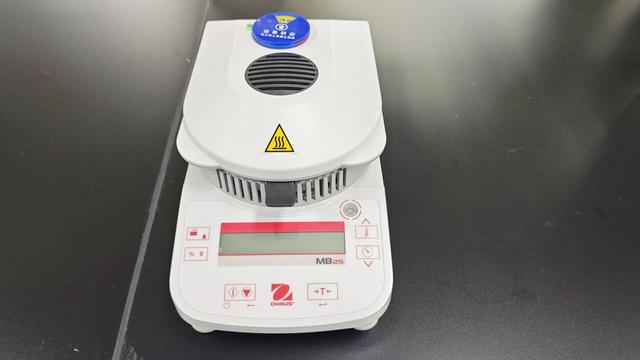
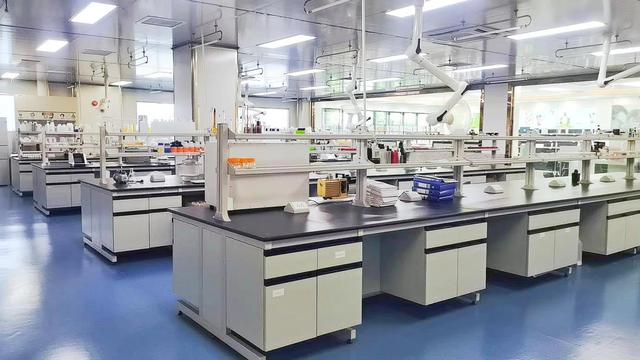
Inside our ISO & GMPC Certified Production Facilities
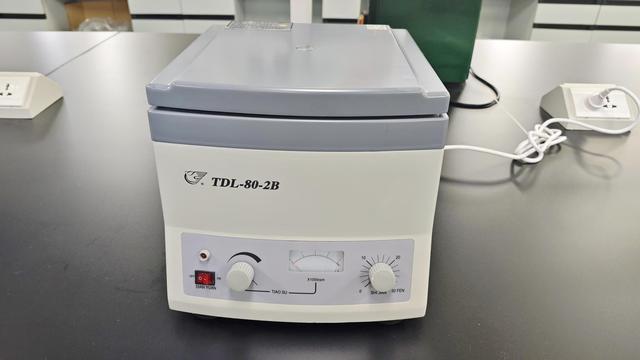
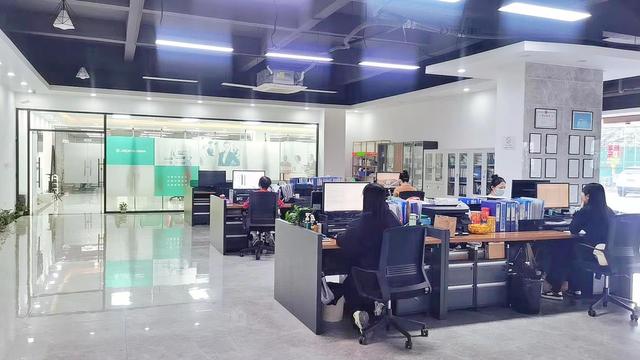
Production Facility Room Packaging Line Closeup R&D Lab Research

Key Application Scenarios & Skincare Trends

Developing products that address the daily concerns of modern consumers and meet emerging regulatory standards.

A. Post-Sun Exposure Repair (Summer Peak in Greece)

During the Greek summer, UV index ratings frequently reach levels of 9 to 11. Overexposure triggers hyperactive melanocytes, leading to sun spots and darkening existing melasma. Serums designed for this period need to focus on gentle, non-irritating brightening agents (like Niacinamide and Licorice Root Extract) to calm the skin and prevent PIH without causing photo-sensitivity.

B. Post-Aesthetic Treatment Recovery

Aesthetic clinics in urban centers like Athens and Thessaloniki frequently perform chemical peels, laser resurfacing, and microneedling. These procedures leave the skin temporarily vulnerable. A dedicated recovery serum formulated with low-molecular-weight Hyaluronic Acid, Centella Asiatica, and mild Tranexamic Acid can help soothe skin and support the recovery process.

C. The Rise of "Clean Medical" Skincare

Consumers increasingly seek products that combine the safety of clean beauty with the efficacy of medical-grade actives. Formulations should minimize filler ingredients, artificial colorants, and synthetic fragrances, prioritizing biocompatibility and dermatologist-tested profiles. At Hangzhou Tsuya Beauty, we formulate under these parameters, using minimal ingredients with clear functionality to meet modern consumer preferences.

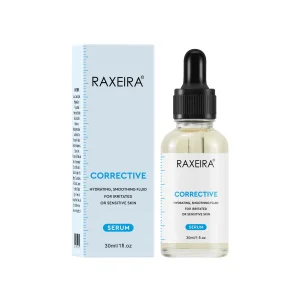
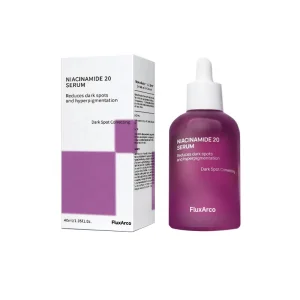
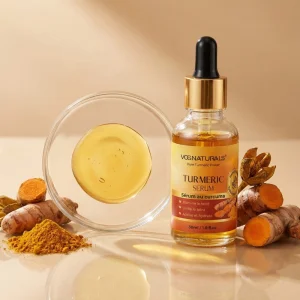
Complete Formulation Catalog & Custom Options

Select from our fully developed, tested, and customizable formulations designed for rapid international distribution.
B2B Procurement Protocols & CPNP Registration

A practical roadmap for Greek importers, cosmetic brands, and distributors to ensure smooth regulatory clearance.

Importing cosmetic products into Greece from outside the European Union requires compliance with the European Cosmetic Products Notification Portal (CPNP). As the manufacturer, Hangzhou Tsuya Beauty Co., Ltd. provides the necessary documentation to support this registration process.

Steps for Successful Customs Clearance in Greece:

  1. Designation of a Responsible Person (RP): The importer must assign or contract an RP located within the EU (typically in Athens or Thessaloniki) to maintain the Product Information File (PIF).
  2. PIF Compilation: We supply the required technical documentation, including the Cosmetic Product Safety Report (CPSR) prepared by an authorized toxicologist, stability test data, microbiological test results, and a declaration of raw material purity.
  3. CPNP Notification: The RP submits the formulation details, label designs in Greek, and packaging photos to the EU CPNP portal. This system is linked directly with the Greek National Organization for Medicines (EOF).
  4. Customs Documentation: We provide the commercial invoice, packing list, certificate of origin, Bill of Lading (B/L), and Safety Data Sheets (SDS) in English.

Additionally, Greek packaging regulations require clear labeling. Product labels must display the ingredients list in INCI format, the country of origin, the nominal content weight, safety warnings, and the name and address of the EU Responsible Person.

Frequently Asked Questions (FAQ)

Key technical, logistical, and formulation answers for B2B procurement professionals in the Greece and Southern European cosmetic sectors.

Q1: What is the typical Minimum Order Quantity (MOQ) for custom OEM/ODM formulas?
Our standard MOQ for custom formulation ranges between 3,000 and 5,000 units per SKU, depending on the active ingredients and selected packaging. For private label orders using our stock formulations and standard packaging, MOQs can start at 1,000 units.
Q2: Are your dark spot correction formulas fully compliant with EU cosmetic regulations?
Yes. We design our formulas to meet EU Cosmetic Regulation (EC) No 1223/2009. We do not use hydroquinone, high-dose retinoids, or other banned substances. We provide a complete dossier (including CPSR and microbiological reports) to help your Responsible Person (RP) complete the CPNP notification.
Q3: How do your serums maintain stability under high Mediterranean summer temperatures?
Our R&D lab subjects all formulations to rigorous temperature stability testing. This includes freeze-thaw cycles and extended exposure to 45°C for 3 months. This testing helps ensure the emulsion remains stable and the active ingredients do not degrade during transit or retail display in warm climates.
Q4: What is the standard lead time from initial order placement to shipping?
For initial custom OEM orders, the timeline is typically 35 to 45 days, which accounts for design approval, packaging sourcing, and stability checks. Repeat orders are generally fulfilled within 25 to 30 days.
Q5: Can you formulate fragrance-free serums for sensitive or post-sun skin?
Yes. We formulate and produce fragrance-free and allergen-free options. This is a popular choice for brands targeting consumers with sensitive skin or post-procedure recovery needs.
Q6: Do you offer sustainable or eco-friendly packaging options suitable for EU brands?
Yes, we offer recyclable glass bottles, PCR (Post-Consumer Recycled) plastic containers, and FSC-certified paper outer boxes. These options align with current sustainability trends in the European cosmetic market.
Q7: What active ingredients are recommended for target melasma treatments in Greece?
We recommend formulations containing 3% to 5% Tranexamic Acid (TXA) combined with 5% Niacinamide and 1% Kojic Acid. This combination targets hyperpigmentation through multiple pathways, helping to reduce dark spots without causing excessive irritation.
Q8: How do you handle shipping and customs clearance for Greek ports like Piraeus?
We offer flexible shipping terms, including FOB, CIF, and DDP. We work with experienced ocean and air freight forwarders who manage delivery to major European ports, including Piraeus and Thessaloniki.

Partner with an ISO-Certified Serum Manufacturer

Ready to introduce high-performance dark spot correction formulations to your product line? Get in touch today for custom formulation details, regulatory compliance support, and bulk pricing.