 Tsuya Beauty
Tsuya Beauty
Tsuya Beauty
Direct supply-chain solutions engineered for South African dermatological brands, medical spas, and high-growth beauty labels.
An in-depth guide on hyper-pigmentation formulation, supplier selection, and logistical routes to South Africa.
South Africa represents a unique cosmetic market due to its high-intensity solar UV indexes, diverse racial demographics, and the prevalence of specific skin concerns. The country experiences long periods of direct sunlight with UV indexes frequently exceeding 11+ in cities such as Johannesburg, Pretoria, and Durban. According to dermatological studies, individuals with Fitzpatrick Skin Types IV, V, and VI are highly susceptible to Post-Inflammatory Hyperpigmentation (PIH). When skin undergoes inflammation—whether from acne, environmental stress, or hormonal fluctuations—excess melanin is produced, resulting in persistent dark spots.
As a result, there is an ever-expanding commercial demand for top-tier dark spot correcting serums. Consumers are moving away from hazardous chemical bleaching creams (such as hydroquinone formulations) toward safe, clinically proven, and active-ingredient-rich daily serums. Prominent retail chains like Dis-Chem and Clicks are prioritizing clean, stable, and highly effective skin tone correcting formulations on their shelves. For South African brands seeking to secure market share, the challenge lies in sourcing premium raw materials and formulations that remain stable under elevated ambient temperatures.
"The South African skincare market is characterized by a strong consumer preference for multi-active dark spot treatments. Retails require formulations that address the double challenge of persistent UV radiation and melanin-rich skin susceptibility to PIH."
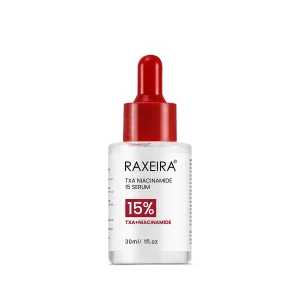
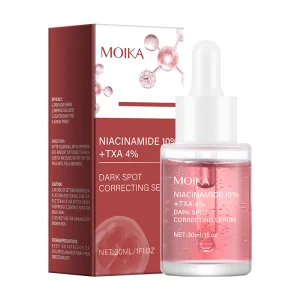
Formulating an effective dark spot corrector serum requires a synergistic blend of tyrosinase inhibitors, gentle chemical exfoliants, and cellular turnover boosters. A standard high-efficacy B2B dark spot correction formula utilizes Niacinamide (Vitamin B3) at concentrations between 5% and 10%. Niacinamide works by inhibiting the transfer of melanosomes to keratinocytes. By pairing this with Tranexamic Acid (TXA) at 3% to 5%, the formula can block pathway activators triggered by UV rays, preventing pigmentation recurrence.
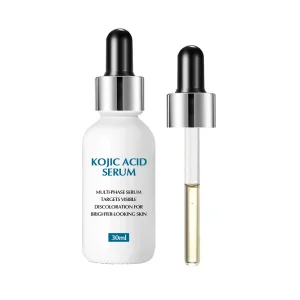
Other key active ingredients include Kojic Acid (known for its powerful tyrosinase-inhibiting properties) and Vitamin C (in stable derivatives like Sodium Ascorbyl Phosphate or Ethyl Ascorbic Acid to prevent oxidation). In South Africa's arid and high-UV environments, retaining product stability is a significant concern for distributors. Suppliers must utilize advanced delivery technologies, such as micro-encapsulated liposomes, which protect the active compounds from UV-induced degradation and heat-accelerated oxidation.
For South African brands looking to scale, partnering with a professional global manufacturer like Hangzhou Tsuya Beauty Co., Ltd. is a major competitive advantage. Based in China's cosmetic production hub, Hangzhou Tsuya Beauty Co., Ltd. specializes in GMPC-certified manufacturing of advanced facial serums. By leveraging China's robust raw material supply chains and state-of-the-art chemical engineering, the company provides highly customizable, stable formulations at optimized production costs.
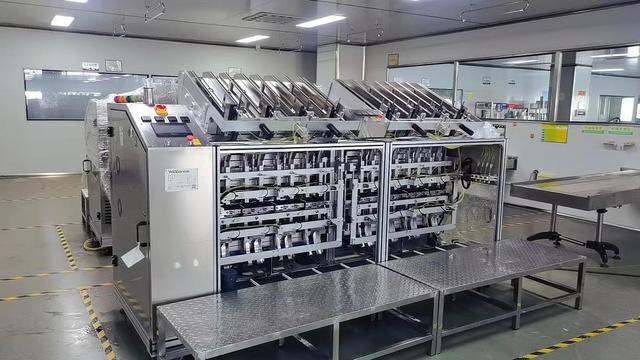
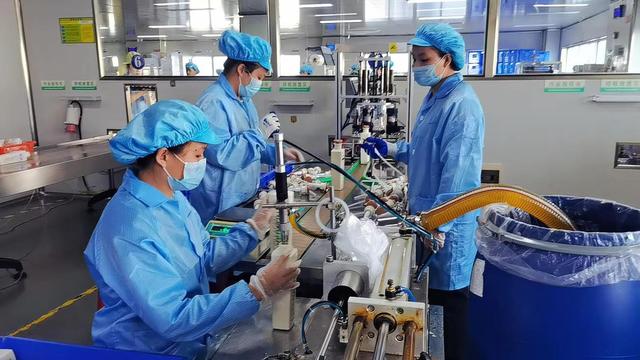
From hydrating serums and anti-aging compounds to high-potency dark spot correctors, Hangzhou Tsuya provides a complete suite of services. The facility operates advanced automated production lines and implements rigorous testing, including temperature-cycling stability trials, microbial contamination tests, and skin irritation evaluations. This end-to-end quality assurance ensures that every batch shipped to South African ports matches international cosmetic regulatory standards.
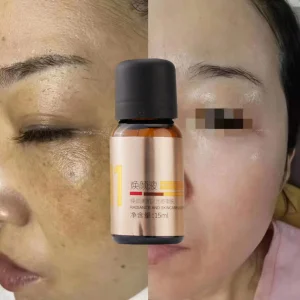
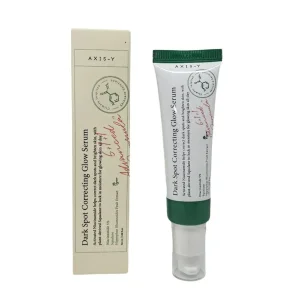
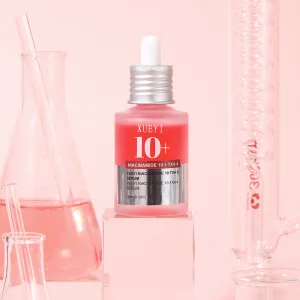
Explore formulations specifically engineered to treat stubborn melasma, acne scars, and environmental skin stress in South Africa.
Unlocking professional manufacturing capabilities designed to elevate your brand value and operational margins.
All processes adhere strictly to GMPC and ISO 22716 standards. Raw materials undergo physical and chemical testing to ensure heavy-metal and toxin compliance.
Equipped with state-of-the-art cosmetic science machinery to construct liposome-based actives, stabilizing Vitamin C, Tranexamic Acid, and high-purity Niacinamide.
Integrated logistics supporting cargo transit from Chinese major ports directly to Durban, Cape Town, and OR Tambo International, handling customs and clearance paperwork.
A B2B handbook for navigating customs, regulatory compliance, and shipping logistics between China and South Africa.
When shipping bulk facial serums from China factories to South Africa, cargo routes primarily run via ocean freight to secure optimal margins. The transit time from the Ningbo or Shanghai Port to the Port of Durban averages 18 to 25 days. The Port of Durban is the main maritime gateway, handling over 60% of South Africa's cosmetic raw materials and finished products.
For time-sensitive brand launches, air freight is dispatched from Hangzhou or Shanghai Pudong International Airport to OR Tambo International Airport in Johannesburg, reducing transit to 3–5 days. However, sea freight remains the industry standard for commercial volume packaging (bottles, airless pumps, custom boxes) to control costs and minimize carbon footprints.
Cosmetic products imported into South Africa must strictly conform to local regulatory structures. While SAHPRA (South African Health Products Regulatory Authority) regulates medical-grade topical formulations, cosmetic serums are governed by national cosmetic standards and aligned with the Cosmetic, Toiletry and Fragrance Association of South Africa (CTFA). All formulations must possess complete Material Safety Data Sheets (MSDS), Certificate of Analysis (COA), and microbial testing certificates before clearing custom checkpoints.
To avoid costly transit delays, South African cosmetic importers must prepare the following regulatory and shipping documents:
Hangzhou Tsuya Beauty Co., Ltd. coordinates closely with global customs clearance brokers, supplying exact technical portfolios to ensure swift customs release upon cargo arrival.
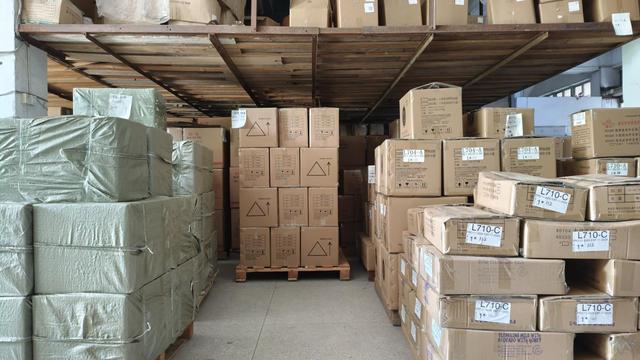
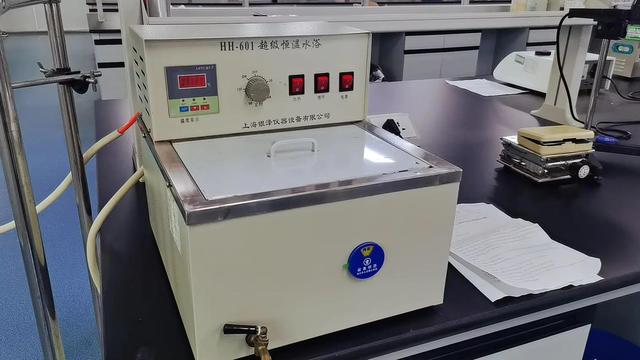
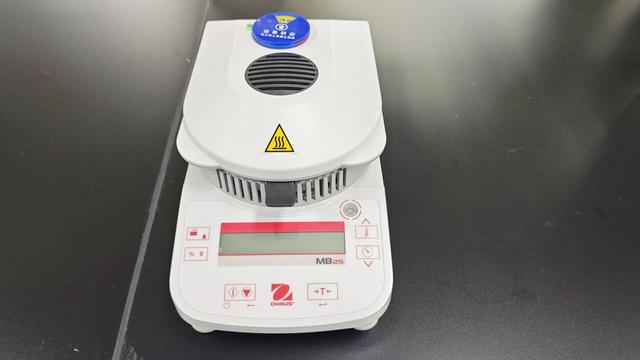
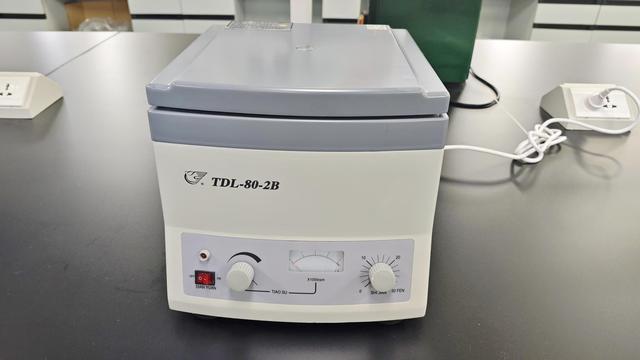
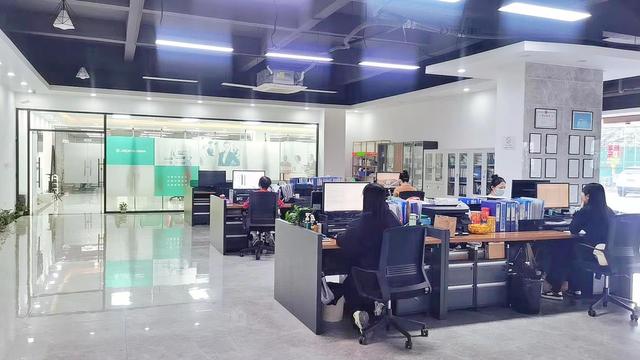
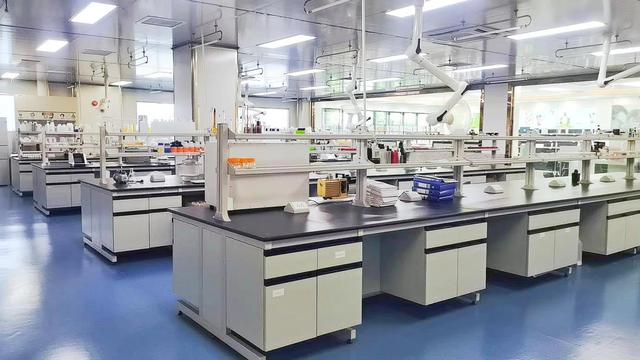
Take a virtual tour of our modern clean-room laboratories, active synthesis setups, and automated bottling lines.

Technical details, order limits, custom formulations, and compliance answers for South African skincare brands.
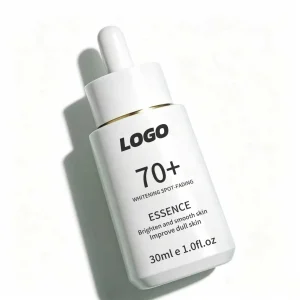
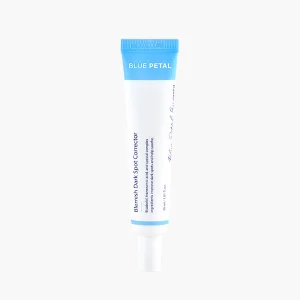
A comprehensive B2B selection of bulk dark spot correction formulations, ready for custom branding and rapid launch.
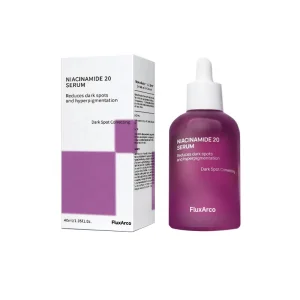
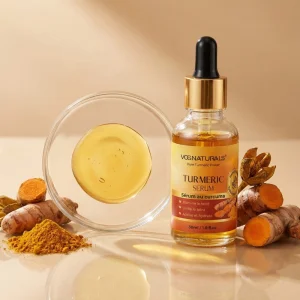
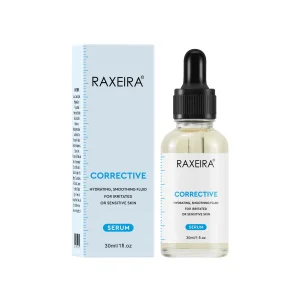
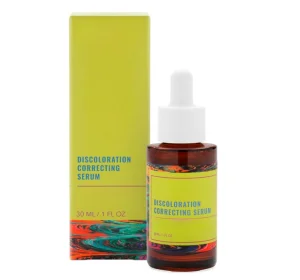

Get in touch with the product formulation laboratory at Hangzhou Tsuya Beauty Co., Ltd. today. Our chemical engineers and logistics experts will provide free formulation samples, packaging templates, and ocean shipping cost projections to Durban or Cape Town.
Send Inquiry Now