Tsuya Beauty
Tsuya Beauty
Tsuya Beauty
The global skincare market is undergoing a significant transformation, driven by consumer search intent shifting from basic hydration to experiential, high-performance treatments. At the intersection of this evolution sits the modern peel-off mask. No longer considered merely a novelty, peel-off masks have established themselves as an essential therapeutic category. These formulations create a temporary, occlusive barrier over the stratum corneum, promoting deep follicular clearing, immediate dead cell exfoliation, and targeted transdermal active delivery.
Currently, the international market demands a dual-action approach. Importers require masks that not only strip away micro-impurities and sebum plugs but also infuse the skin barrier with restorative nutrients. This dual-action dynamic is heavily supported by formulation innovations, including plant-based alternatives to synthetic polyvinyl alcohol (PVA), and the encapsulation of active ingredients such as peptides, niacinamide, and hyaluronic acids.
The science of peel-off masks centers on the transition of liquid polymers into a solid, cohesive matrix. As the water and carrier bases evaporate, the polymer molecules cross-link, trapping localized skin debris, pollutants, and sebaceous filaments within the matrix. When peeled, this matrix lifts away the cellular debris from the skin's surface without disrupting the lipid layer, provided the formulation has balanced peel tension.
Leading manufacturers focus intensely on this tension index. A tension coefficient that is too high causes micro-tears in sensitive skin; a coefficient that is too low yields poor pore clearance and leaves uneven residues. Advanced exporters must master this fine chemical balance to accommodate global safety guidelines.
China has solidified its position as the premier manufacturing powerhouse for cosmetics, specifically in complex formulations like peel-off masks and specialized facial serums. The efficiency of Chinese supply chains lies not only in scale but in vertical industrial integration. Hangzhou Tsuya Beauty Co., Ltd. exemplifies this competitive advantage, utilizing high-tier automation, rapid ingredient sourcing networks, and robust regulatory compliance infrastructure.
Continuous validation of raw biological materials ensuring high performance, long-term stability, and clean-label compliance across different jurisdictions.
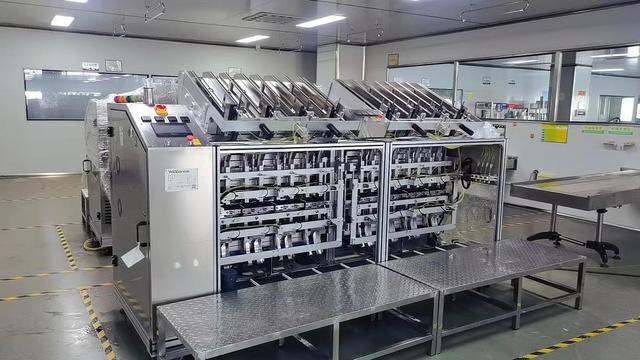
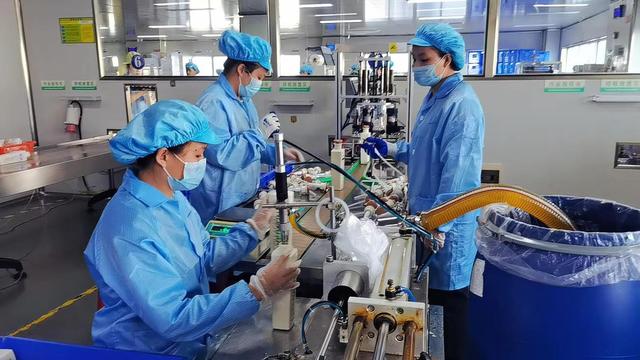
State-of-the-art machinery prevents exposure to environmental microbes during packaging, ensuring sterile batches and extended product shelf lives.
Accelerated turnaround times for custom packaging design, customized color-matching, and sample iterations to support fast-moving beauty brands.
From the sourcing of advanced biopolymers to localized shipping hubs, Chinese manufacturing reduces lead times from months to weeks. Partnering with a China-based expert exporter like Hangzhou Tsuya Beauty Co., Ltd. allows brands to access advanced OEM and ODM capabilities, aligning target formulas with specific cost margins without sacrificing cosmetic performance or global safety requirements (such as REACH, FDA, or cosmetic safety reports).
B2B buyers must recognize that consumer intent varies widely across geographic territories. An exporter must deliver customized formulas that align perfectly with these local demographics:
By mapping development strategies to these regional profiles, distributors can leverage the precise cosmetic technology profile of their factory partners to target key growth segments.
Modern cosmetic chemistry has advanced beyond basic film-formers. Leading edge factories utilize structured networks that stabilize active components inside the emulsion until application. Upon skin contact, these active agents migrate toward the epidermis due to the gradient pressure created by the drying outer layer.
Hangzhou Tsuya Beauty Co., Ltd. applies this advanced formulation methodology to its entire range of professional cosmetic products. Key technologies include:


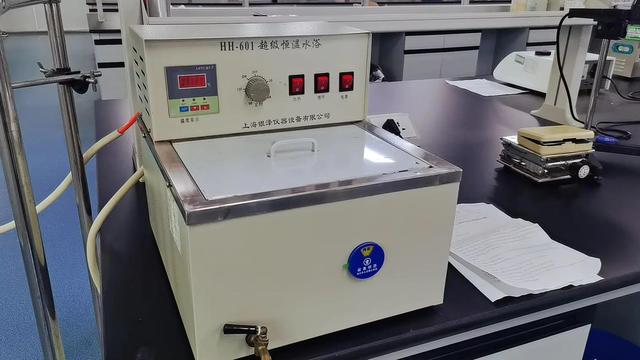
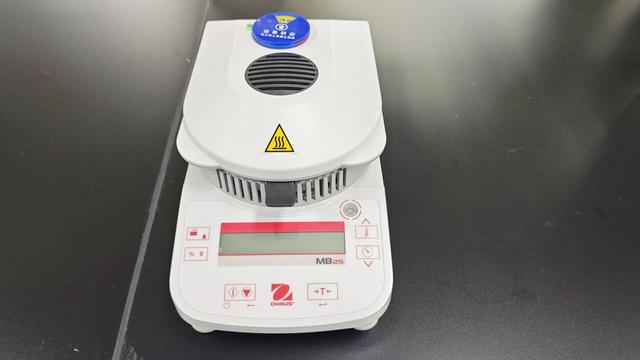


B2B procurement of peel-off masks requires careful attention to active ingredient stability and rheology metrics. Importers should utilize the following QA criteria to evaluate potential cosmetic manufacturers:
By partnering with Hangzhou Tsuya Beauty Co., Ltd., global importers gain access to verified testing processes and standardized certifications, ensuring seamless entry into major international consumer markets.