Tsuya Beauty
Tsuya Beauty
Tsuya Beauty
The global brightening peel mask market is currently experiencing a paradigm shift. Driven by the "Glass Skin" trend and an increasing consumer obsession with radiance, these products have evolved from simple physical exfoliants to complex biochemical systems. Today's brightening peel masks utilize advanced delivery mechanisms like encapsulation and bio-fermented actives to ensure that brightening agents like Niacinamide and Glutathione penetrate deeper into the epidermal layers.
In the B2B sector, demand is skyrocketing. From professional spas in Europe to e-commerce startups in North America, the search for "reliable manufacturing partners" has become a strategic priority. The industry is no longer just about removing dead skin; it is about Information Gain—providing the skin with active nutrients that inhibit tyrosinase activity while simultaneously repairing the moisture barrier. This dual-action requirement has separated top-tier manufacturers from generic suppliers.
China's beauty manufacturing hubs, particularly in regions like Hangzhou, offer unparalleled integration. From raw material sourcing to specialized packaging (tubes, jars, ampoules), the proximity of suppliers reduces lead times by up to 40% compared to Western counterparts.
Modern Chinese factories like Hangzhou Tsuya Beauty Co., Ltd. leverage AI-driven stability testing. This allows for the rapid iteration of brightening peel mask formulas—moving from concept to shelf-ready sample in as little as 14 days without compromising safety or E-E-A-T standards.
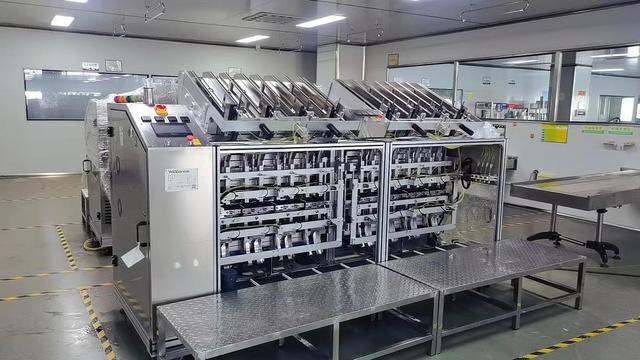
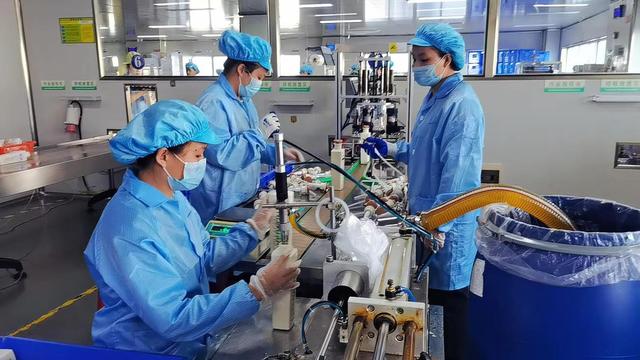
Through high-precision automated lines, manufacturers can offer Medical Grade Quality at Commercial Scale Costs. This efficiency allows global brands to maintain healthy margins while offering high-performance products to end consumers.
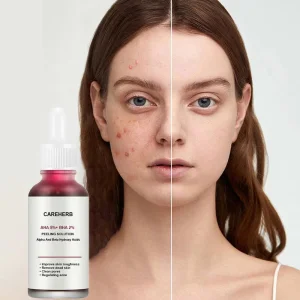
Western Markets (North America & EU): Focus on "Clean Beauty" and "Acid Peels." Consumers look for AHA/BHA combinations in peel masks that provide instant gratification through visible smoothing.
Asian Markets (East & SE Asia): Focus on "Soothing Brightening." Ingredients like Cica, Rice Water, and Licorice Root are paired with Vitamin C to ensure no irritation occurs during the brightening process.
Emerging Trends: We are seeing a rise in Microbiome-friendly peel masks. These products use prebiotic fibers in the mask matrix to support the skin's natural flora while removing impurities.
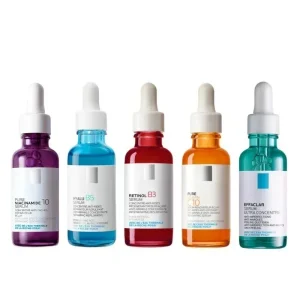
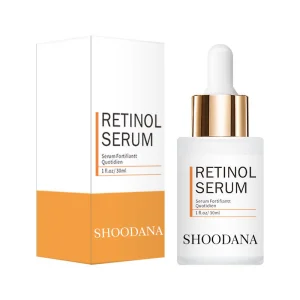
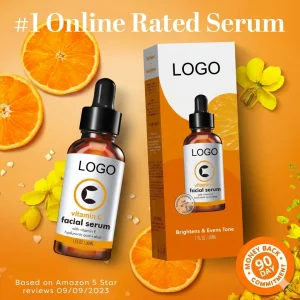
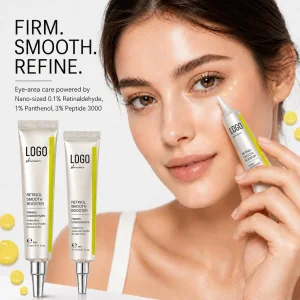
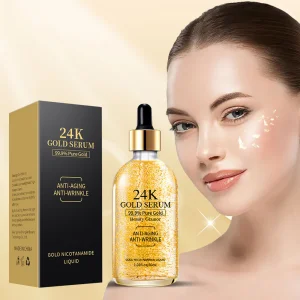
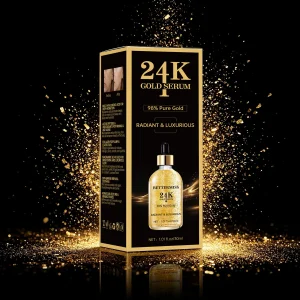
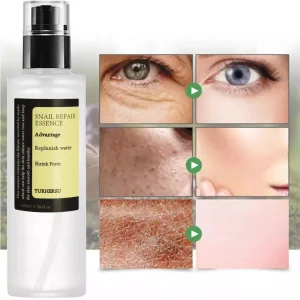
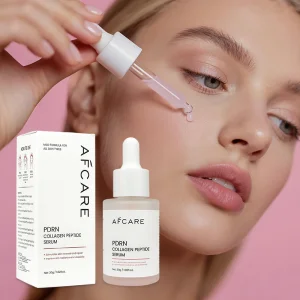
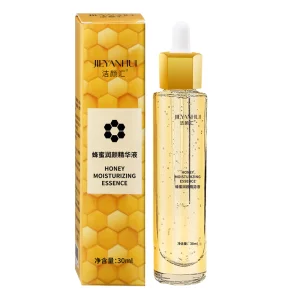
Hangzhou Tsuya Beauty Co., Ltd. is a professional facial serum manufacturer specializing in the development, production, and supply of advanced skincare solutions for global beauty brands, retailers, e-commerce businesses, and private label partners. With a focus on innovation, quality control, and market-driven product development, the company provides a comprehensive range of facial serums designed to address diverse skincare needs across international markets.
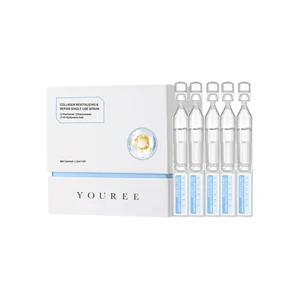
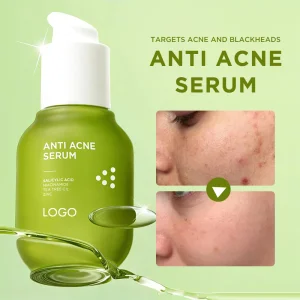
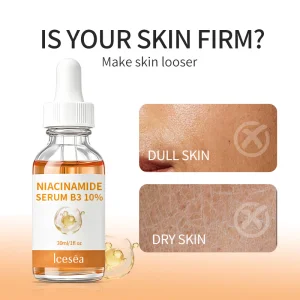
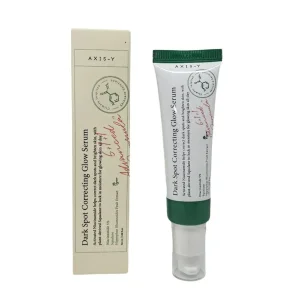
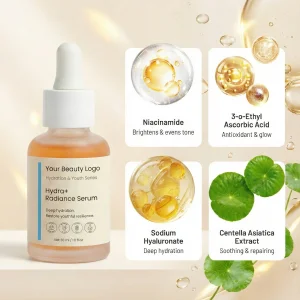
The company's product portfolio includes hydrating serums, brightening serums, anti-aging serums, vitamin C serums, hyaluronic acid serums, niacinamide serums, peptide serums, collagen-boosting serums, dark spot correction serums, and skin barrier repair formulations. Each product is developed with carefully selected ingredients and manufacturing processes that support consistency, safety, and performance.
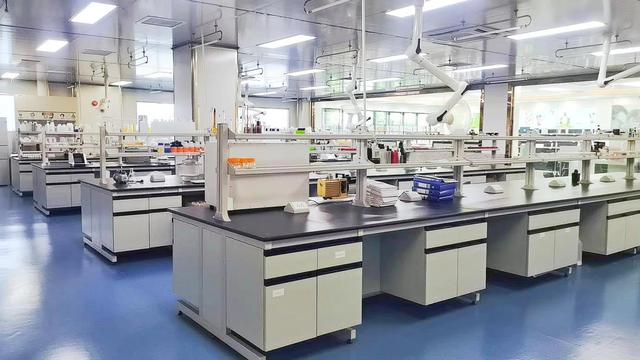
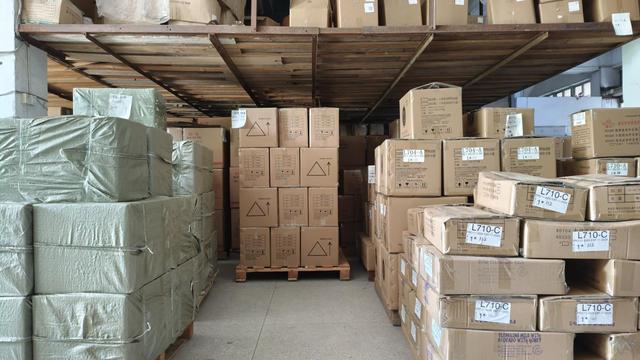
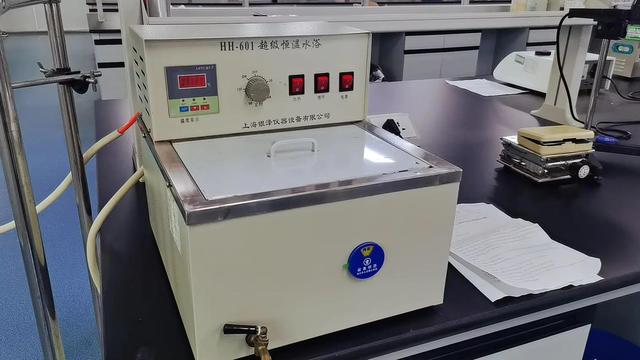
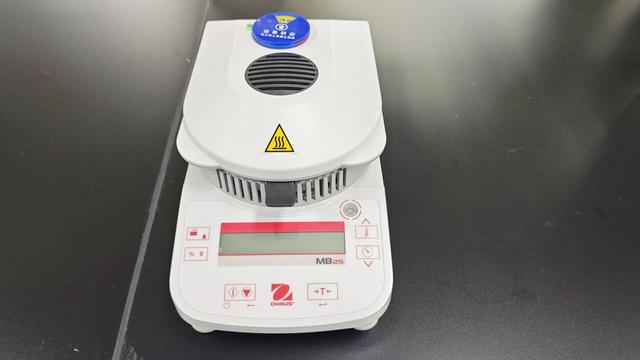
Operating modern production facilities, we follow strict quality management standards throughout formulation, ingredient sourcing, manufacturing, packaging, and final inspection. We emphasize product stability, formulation compatibility, and regulatory compliance to help customers meet the requirements of different regions and sales channels.

Peel masks create an occlusive film that forces active ingredients deeper into the skin through osmotic pressure. Clay masks primarily focus on oil absorption and pore cleansing. For brightening, peel masks are often superior as they can carry higher concentrations of stable Vitamin C and Niacinamide.
Buyers should prioritize: 1. Formulation Stability (Does it oxidize?); 2. Packaging Integrity (Airless pumps or UV-protected glass); 3. Regulatory Compliance (COA, MSDS, FDA/CPNP readiness).
Unlike standard HA, 4D Hyaluronic Acid uses four different molecular weights to target different layers of the skin—forming a protective film on the surface while deeply hydrating the dermis, ensuring the "brightening" effect is supported by "plumping" moisture.
Yes, as an ODM specialist, Hangzhou Tsuya allows for the adjustment of polymer ratios to create anything from a thin, film-like peel to a thick, jelly-style application based on your brand's target user experience.