Tsuya Beauty
Tsuya Beauty
Tsuya Beauty
A selection of premium clinically backed, anti-aging, and skin-barrier restorative formulas developed for international distributors, e-commerce brands, and private label partners.
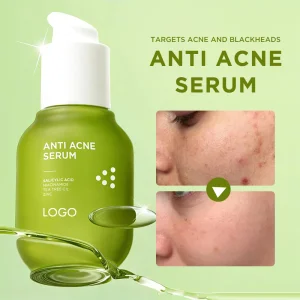
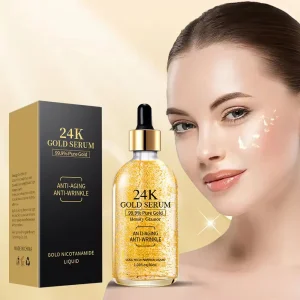
Analyzing the massive macro-economics shifting global beauty towards lipid-barrier restoration and botanical bio-actives.
The global skincare market is currently witnessing a paradigm shift. Consumers are increasingly moving away from surface-level hydration solutions and transitioning toward cellular-level dermal regeneration. Age-defying face oils and lipophilic serums have surfaced as the fastest-growing sub-categories within the prestige cosmetics sector, growing at a projected compound annual growth rate (CAGR) of 6.8% from 2024 to 2030. This growth is predominantly driven by a deep biological understanding of the skin's lipid barrier.
Unlike water-based creams that rely heavily on chemical emulsifiers to temporarily seal in moisture, face oils leverage botanical lipid profiles that mimic human sebum. These matrices are rich in essential fatty acids (Linoleic and Oleic acids), phytosterols, and lipid-soluble antioxidants. By dissolving active compounds—such as stabilized Retinoids, Bakuchiol, and Hexapeptides—directly into an oil phase, manufacturers can bypass the skin's natural hydrophobic defense system, enabling enhanced transdermal delivery without triggering standard inflammatory responses.
"Information Gain: Modern consumers no longer purchase skincare based on marketing buzzwords; they demand clinical verification of transdermal absorption. This shift has driven manufacturers to invest heavily in nanotechnology, liposomal encapsulation, and micro-emulsification, transforming traditional face oils into high-performance clinical treatments."
How next-generation bio-actives are suspended within lipid bases to achieve targeted cellular response.
Utilizing Acetyl Hexapeptide-8 (the Argireline effect), manufacturers block vesicle fusion by interfering with the SNARE complex. This reduces muscular contraction intensities, visually flattening expression lines, and promoting the synthesis of Type I collagen fiber networks.
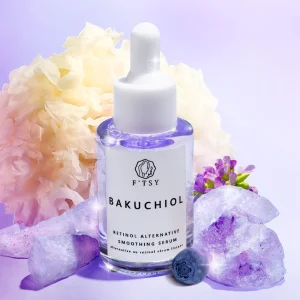
Standard Retinol accelerates skin cell turnover but causes epidermal flaking. Sourcing high-purity Bakuchiol—a botanical monoterpene phenol—provides a functional analog that activates the same retinoic acid receptors, minimizing redness and boosting stability.
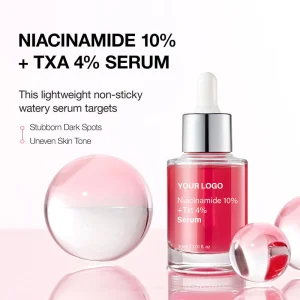
For uneven tone and hyperpigmentation, the incorporation of TXA alongside Niacinamide provides dual-action melanogenesis inhibition. TXA limits plasminogen activation to prevent inflammatory melanin triggers, while Niacinamide halts the transport of melanosomes to keratinocytes.
A premier OEM/ODM manufacturer delivering world-class custom cosmetic formulations with unparalleled quality control.
Hangzhou Tsuya Beauty Co., Ltd. is a professional facial serum manufacturer specializing in the development, production, and supply of advanced skincare solutions for global beauty brands, retailers, e-commerce businesses, and private label partners. With a focus on innovation, quality control, and market-driven product development, the company provides a comprehensive range of facial serums designed to address diverse skincare needs across international markets.
The company's product portfolio includes hydrating serums, brightening serums, anti-aging serums, vitamin C serums, hyaluronic acid serums, niacinamide serums, peptide serums, collagen-boosting serums, dark spot correction serums, and skin barrier repair formulations. Each product is developed with carefully selected ingredients and manufacturing processes that support consistency, safety, and performance.
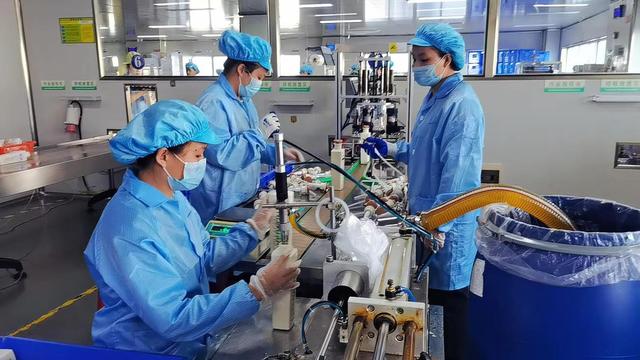
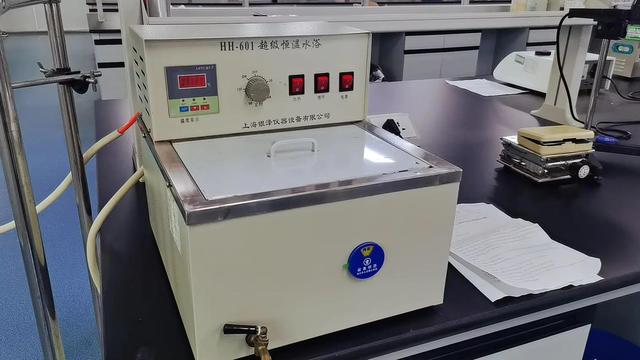
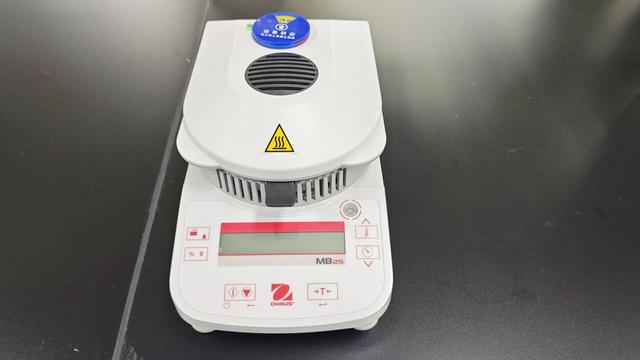
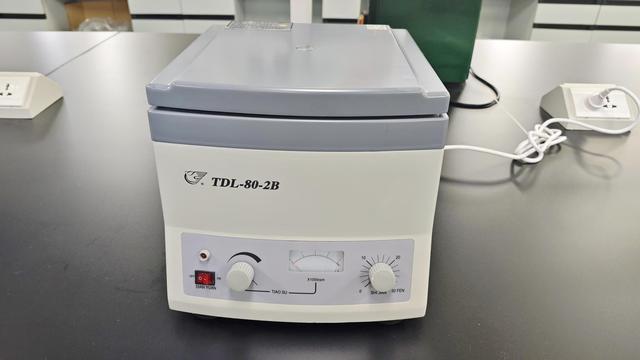
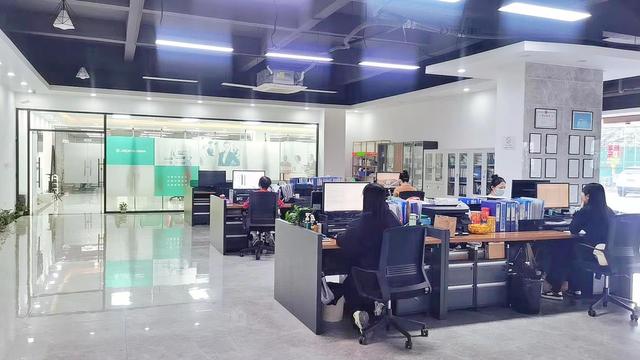
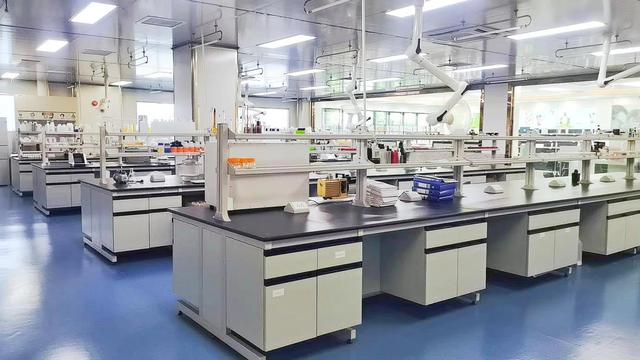
Hangzhou Tsuya Beauty Co., Ltd. operates modern production facilities and follows strict quality management standards throughout formulation, ingredient sourcing, manufacturing, packaging, and final inspection. The company emphasizes product stability, formulation compatibility, and regulatory compliance to help customers meet the requirements of different regions and sales channels.
In addition to standard product lines, the company offers flexible OEM and ODM services, enabling clients to develop customized skincare products based on target markets, ingredient preferences, packaging specifications, and branding requirements. From concept development and sample testing to mass production and logistics support, Hangzhou Tsuya Beauty Co., Ltd. provides integrated manufacturing solutions designed to streamline product launches and brand expansion.
Committed to continuous innovation and long-term cooperation, the company serves customers worldwide with reliable facial serum manufacturing solutions for the evolving skincare industry.

How supply chain clustering and advanced technology automation drive efficiency and quality on a global scale.
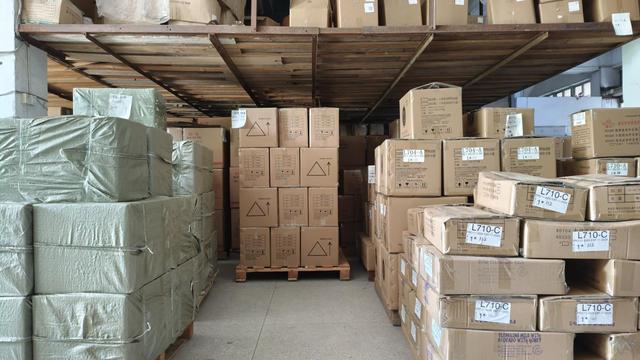
Global beauty brand founders face a persistent challenge: balancing rapid product iteration with tight gross margins. This is where Chinese skincare manufacturing centers—specifically those based in tech-centric clusters like Hangzhou—provide an unmatched competitive advantage. The efficiency of a factory is not just about labor; it is about the hyper-integration of the entire supply chain ecosystem.
Within a 50-kilometer radius of Hangzhou Tsuya Beauty Co., Ltd., one can source premium, eco-friendly glass packaging, state-of-the-art pump mechanism manufacturers, organic certified raw materials, and high-speed multi-color box printers. This dense industrial cluster eliminates the weeks-long logistics lag associated with shipping components between disparate suppliers. Consequently, custom formulations can transition from R&D validation to pilot batches and final mass production in as little as 15 to 21 days—compared to the 3-month lead times typical of European and North American manufacturers.
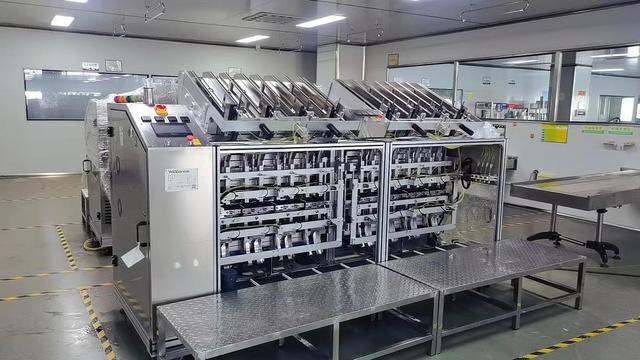
Furthermore, Chinese factories have made massive strides in automation. Modern GMPC-certified facilities utilize automated vacuum emulsifiers, robotic pick-and-place lines, and digital laser filling tech. These automated lines minimize human contamination risk, ensuring every single bottle of age-defying oil or peptide serum remains completely sterile and maintains a highly consistent active ingredient density from batch to batch.
Adapting serum textures and active payloads to align with regional consumer habits and regulatory landscapes.
Consumers in these regions demand clean-beauty compliance, meaning formulations must exclude silicones, parabens, synthetic fragrances, and micro-plastics. There is a strong preference for sustainable bio-alternatives, such as Bakuchiol, and clinical potency validation. Formulations must comply with FDA and EC 1223/2009 standards, necessitating complete MSDS, COA, and dermatological patch testing documents.
In Asia, particularly China, Japan, and South Korea, the beauty focus is on achieving a translucent "glass skin" effect. Heavy, greasy oils are avoided; instead, consumers prefer lightweight, quick-absorbing micro-oils and hybrid biphasic serums. Key ingredients include skin-brightening agents like Tranexamic Acid (TXA), Niacinamide, and multi-depth Hyaluronic Acid to plump skin cells and minimize pigment spots.
In regions facing intense sunlight, dry desert winds, or high urban pollution, the primary focus is protective barrier repair. Formulations must prioritize high antioxidant content (such as stabilized Vitamin C, Vitamin E, and Coenzyme Q10) to neutralize free radicals generated by UV exposure. Thick, deeply occlusive natural carrier oils (such as organic Argan or Rosehip) are favored to prevent trans-epidermal water loss (TEWL).
The rise of male skincare lines has led to demands for non-comedogenic, residue-free oils. Formulations are tailored to absorb instantly upon application, leaving a matte finish. These serums typically incorporate soothing botanical extracts (such as Centella Asiatica or Tea Tree) to address post-shaving skin barrier irritation and follicle inflammation.
Addressing the critical technical, quality control, and shipping questions asked by global B2B cosmetics buyers.
To prevent oxidation during transport through high-temperature regions, we apply three levels of stabilization: first, utilizing nitrogen flushing during the bottling phase to eliminate oxygen in the headspace; second, formulating with lipid-soluble antioxidant complexes (such as Mixed Tocopherols and Ascorbyl Palmitate) that act as sacrificial oxygen scavengers; and third, packaging products in UV-shielding amber, dark green, or opaque coated glass to block photo-degradation.
For standard private label configurations using our pre-developed and stability-tested formulas with custom outer packaging, the MOQ begins at 1,000 units. For fully customized bespoke R&D formulations requiring exclusive raw materials, custom emulsification parameters, or custom-shaped custom tooling glass bottles, the MOQ starts at 5,000 to 10,000 units, depending on ingredient scarcity and production line tooling requirements.
Yes. All formulations developed by Hangzhou Tsuya Beauty Co., Ltd. are designed to align with international regulatory requirements. We provide complete technical documentation packages, including Material Safety Data Sheets (MSDS), Certificates of Analysis (COA), microbiological challenge test reports, heavy metal concentration audits, and stability test dossiers to support seamless customs clearance and registration in North American and EU markets.
The process involves four key stages: first, requirements definition (setting viscosity, absorption speed, target skin concerns, and regulatory boundaries); second, sample development, where our chemists create prototype iterations for brand assessment; third, physical and micro-biological testing (including 3-month accelerated stability testing at 40°C); and fourth, scale-up mass production, filling, and packaging in our cleanroom facilities.
Explore our full catalog of active-rich skincare treatments engineered to target specific signs of aging, uneven skin tone, and environmental fatigue.