Tsuya Beauty
Tsuya Beauty
Tsuya Beauty
In the contemporary FMCG and luxury skincare sectors, packaging is no longer merely a protective vessel; it is a primary touchpoint of brand equity and corporate responsibility. As international regulatory frameworks tighten—with the European Union's Packaging and Packaging Waste Regulation (PPWR) and the United States' FDA MoCRA establishing strict compliance thresholds—global beauty brands are transitioning away from virgin fossil-based plastics. The integration of eco-friendly cosmetic packaging has pivoted from a marketing differentiator to an operational necessity.
The global market for sustainable packaging is projected to exceed $440 billion by 2028, expanding at a CAGR of 6.2%. Skincare formulas, especially high-efficacy facial serums containing volatile active compounds (e.g., L-ascorbic acid, retinol, and botanical peptides), require precise preservation barrier technologies. Consequently, the challenge lies in blending advanced chemical barrier capabilities with green material science.
China's manufacturing sector has adapted to these global requirements by restructuring downstream factories. Leading industrial complexes, notably in the Yangtze River Delta and Guangdong manufacturing clusters, have integrated raw-material synthesis, cleanroom container production, and advanced clean formulation filling. Through this vertical integration, China-based eco-friendly packaging manufacturers now offer end-to-end solutions that satisfy international compliance standards, ensuring low-carbon footprints throughout the product lifecycle.
The competitive edge of Chinese packaging factories lies in their comprehensive supply chain integration, automated manufacturing lines, and aggressive research into alternative material configurations. Unlike fragmented production networks elsewhere, Chinese manufacturers offer a centralized pipeline spanning bottle blow-molding, surface treatment, precision pump assembly, and eco-certified soy ink offset printing.
This operational structure facilitates:
Development of high-clarity PCR glass, sugarcane-derived PE, and ocean-bound plastics that meet FDA and EU food-grade toxicity standards.
Industrial design optimization using 3D modeling and high-precision CNC tooling, shortening lead times from design validation to trial manufacturing.
Total transparency in post-consumer materials supply chains, certified by the Global Recycled Standard (GRS) and the Forest Stewardship Council (FSC).
By bridging physical packaging production with advanced cosmetic formulation filling—as seen in facilities operated by regional giants such as Hangzhou Tsuya Beauty Co., Ltd.—clients can bypass multi-vendor sourcing. This consolidated approach mitigates the risk of microbial contamination, reduces global transit logistics costs, and prevents physical incompatibility between the formulation chemistry and the container interior walls.
For brands focused on targeted cosmetic serums (e.g., Vitamin C, Niacinamide, Retinol, Hyaluronic Acid, and Peptides), packaging is a critical element in maintaining product stability. Highly active ingredients are susceptible to photo-oxidation, oxidation from ambient air exposure, and chemical leaching when paired with low-grade plastics. Our factories prioritize barrier engineering to maintain active-ingredient potency while utilizing eco-friendly materials.
| Packaging Material | Barrier Efficiency | Optimal Skincare Active Match | Recyclability Profile | Carbon Index Reduction |
|---|---|---|---|---|
| PCR-PET (Post-Consumer Recycled Polyethylene Terephthalate) | High gas barrier; keeps moisture stabilized. | Niacinamide, Hyaluronic Acid, Peptide Solutions. | 100% Recyclable (Class 1 Stream). | 40% to 55% reduction vs Virgin PET. |
| Lightweight Amber/Opaque Borosilicate Glass | Total UV block; zero chemical interaction. | L-Ascorbic Acid (Vitamin C), Retinol, Ampoules. | Infinite recycling capability. | 30% reduction via lightweight design. |
| Sugarcane Bio-PE (Green Polyethylene) | Moderate gas barrier; highly flexible structure. | Exfoliating Fruit Acids, Clay Masks, Body Serums. | Recyclable alongside standard HDPE streams. | Up to 70% reduction (carbon negative resin). |
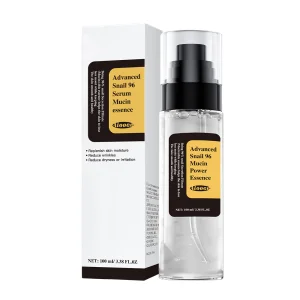
| Mono-Material Airless Pump Systems (PP) | Hermetic seal; protects against oxygen ingress. | Snail Mucin, Retinol, Fine Eye Essences. | Fully recyclable (no metal components). | Consolidates multiple plastics into one stream. |
When developing formulas like Retinol and Vitamin C Serums, contact with oxygen must be minimized. Traditionally, airless pumps relied on internal metal springs to drive fluid delivery, complicating the recycling process due to multi-material components. Modern Chinese factories resolve this by engineering 100% mono-material PP airless pumps with plastic bellows, ensuring the entire assembly can be recycled in a single municipal waste stream without manual disassembly.
Hangzhou Tsuya Beauty Co., Ltd. is a professional facial serum manufacturer specializing in the development, production, and supply of advanced skincare solutions for global beauty brands, retailers, e-commerce businesses, and private label partners. With a focus on innovation, quality control, and market-driven product development, the company provides a comprehensive range of facial serums designed to address diverse skincare needs across international markets.
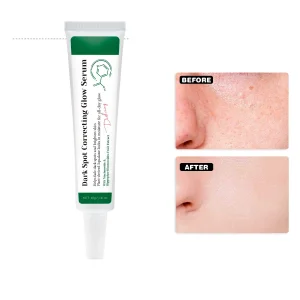
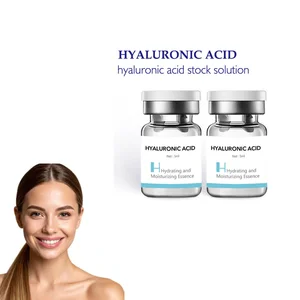
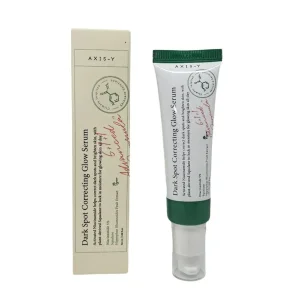
The company's product portfolio includes hydrating serums, brightening serums, anti-aging serums, vitamin C serums, hyaluronic acid serums, niacinamide serums, peptide serums, collagen-boosting serums, dark spot correction serums, and skin barrier repair formulations. Each product is developed with carefully selected ingredients and manufacturing processes that support consistency, safety, and performance.
Hangzhou Tsuya Beauty Co., Ltd. operates modern production facilities and follows strict quality management standards throughout formulation, ingredient sourcing, manufacturing, packaging, and final inspection. The company emphasizes product stability, formulation compatibility, and regulatory compliance to help customers meet the requirements of different regions and sales channels.
In addition to standard product lines, the company offers flexible OEM and ODM services, enabling clients to develop customized skincare products based on target markets, ingredient preferences, packaging specifications, and branding requirements. From concept development and sample testing to mass production and logistics support, Hangzhou Tsuya Beauty Co., Ltd. provides integrated manufacturing solutions designed to streamline product launches and brand expansion.
Committed to continuous innovation and long-term cooperation, the company serves customers worldwide with reliable facial serum manufacturing solutions for the evolving skincare industry.
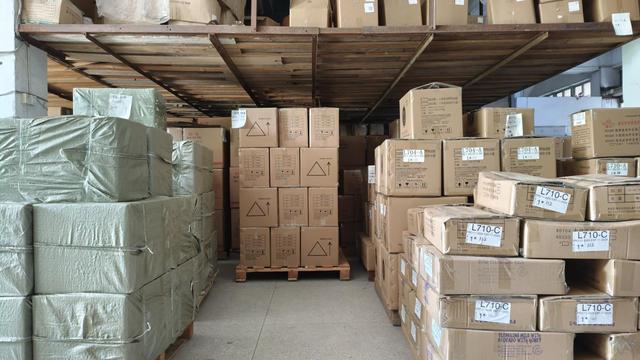

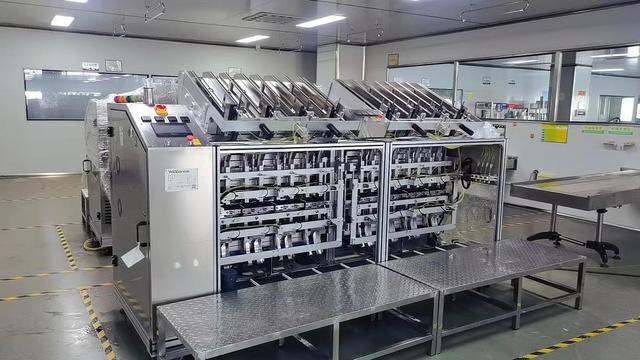
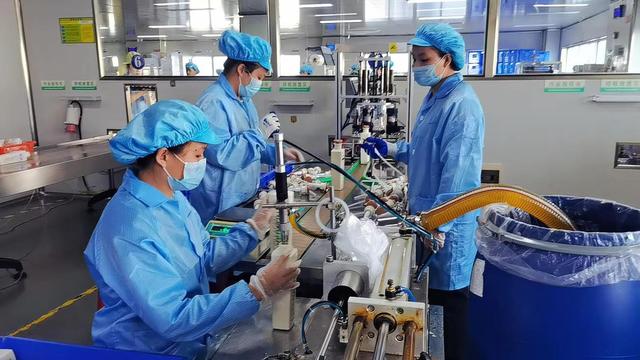
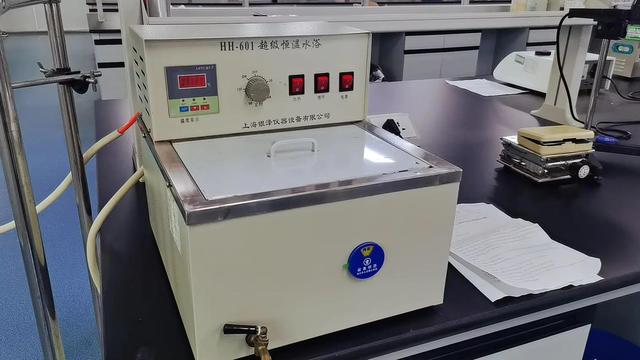
Sourcing packaging elements globally introduces complex supply chain dependencies. Working with a vertically integrated manufacturer in China addresses these challenges by aligning formulation development, primary packaging production, and labeling services. This unified workflow prevents compatibility issues, such as container stress cracking or color shifting in raw formulations, before mass production begins.
Additionally, our production lines follow strict international quality management standards. From sourcing raw sugarcane resins and PCR post-consumer plastics to executing precision cleanroom injection molding, every stage is documented. This level of traceability helps brands satisfy regional customs audits, compliance certifications, and sustainability reporting requirements.
PCR plastic, particularly PCR-PET, matches the barrier performance of virgin PET, preventing oxidation and moisture loss in liquid formulations. While bio-based plastics (like PLA) are sustainable, they tend to have higher moisture transmission rates. This makes PCR-PET a more stable option for water-based, high-potency serums.
High-standard Chinese factories use super-cleaned, food-grade PCR resins that undergo rigorous thermal and chemical decontamination. Additionally, we can apply thin, inert protective barrier coatings (such as plasma-deposited silica) inside the bottles to prevent direct contact between the active formula and the recycled plastic matrix.
Brands should verify Global Recycled Standard (GRS) certifications for recycled plastics, Forest Stewardship Council (FSC) certifications for secondary paper packaging, and standard quality certifications like ISO 9001, ISO 14001, and ISO 22716 (GMP for cosmetics).
We recommend against using completely clear containers for high-concentration Vitamin C (L-ascorbic acid) due to its light sensitivity. Instead, we suggest using amber-tinted PCR-PET, opaque PCR-PP, or dark amber glass, which provide UV-blocking properties that help prevent discoloration and oxidation.
Standard OEM/ODM orders typically start at 5,000 to 10,000 units per formulation run. For custom-molded designs or specific PCR compositions, MOQs may adjust depending on tooling and raw material sourcing requirements.