Tsuya Beauty
Tsuya Beauty
Tsuya Beauty
Explore our leading private label and OEM/ODM botanical skincare solutions engineered for high transdermal efficacy.
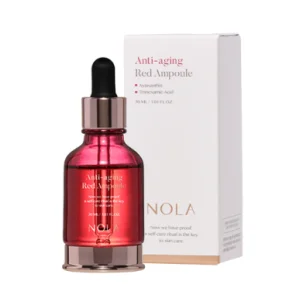
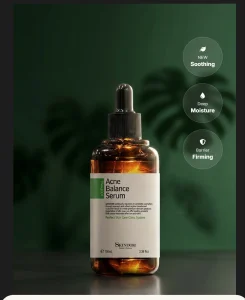
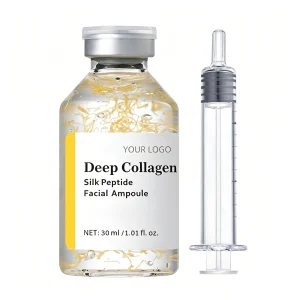
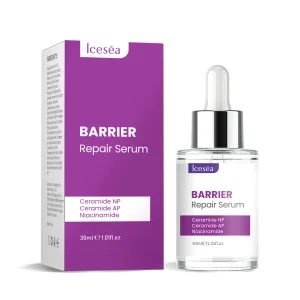
A comprehensive analysis of clean beauty trends, formulation science, and B2B procurement strategies in the botanical cosmetic sector.
Strict adherence to global clean beauty standards (EWG green list, Sephora clean lists) is a baseline requirement. Brands require products free from parabens, mineral oils, and harsh synthetics.
Scientific integration of phyto-actives such as Astaxanthin, Bakuchiol, and Licorice Root with biotechnology vectors like Peptides and Ceramides for maximum efficacy.
With an agile Chinese supply chain, partners can scale from early-stage concept formulation to mass manufacturing, compliance testing, and global logistics in record time.
Botanical cosmetics are no longer niche products. Driven by developments in extraction technologies, botanical face masks and active serums have transitioned from simple wellness trends to clinically validated skincare solutions. Advanced methods like supercritical CO2 fluid extraction and low-temperature molecular distillation allow manufacturers to isolate specific phyto-actives—such as polyphenols, flavonoids, and triterpenes—without altering their biological structure.
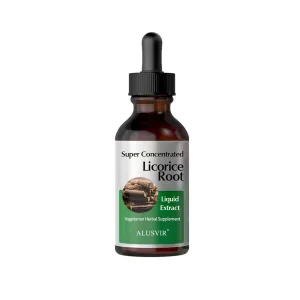
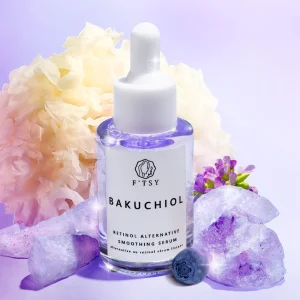
For instance, the adoption of Bakuchiol as a natural alternative to Retinol has experienced significant growth. This botanical active offers the same collagen-stimulating, anti-wrinkle benefits as traditional retinoids but without the associated skin sensitivity, redness, or phototoxicity. Similarly, Licorice Root Extract (Glycyrrhiza Glabra) is highly sought after for its dual-action capacity to soothe inflammation while inhibiting tyrosinase, the enzyme responsible for hyperpigmentation.
According to recent cosmetic market data, the global natural and organic cosmetics sector is expected to exceed $22 billion by 2028, with botanical sheet masks and concentrated botanical ampoules serving as primary growth drivers across North American, European, and East Asian markets.
China has established itself as a hub for cosmetics manufacturing, shifting from high-volume production to advanced biotech engineering and formulation chemistry. Regions like Zhejiang and Guangdong house advanced cosmetic clusters that benefit from vertical integration. This integration spans raw material cultivation, advanced ingredient synthesis, automated packaging manufacturing, and optimized logistics networks.
Choosing a China-based partner like Hangzhou Tsuya Beauty Co., Ltd. provides brands with key operational advantages:
Skin characteristics and environmental conditions vary significantly across geographical regions. A formulation that succeeds in the humid climate of Southeast Asia may not perform as well in the dry winter conditions of Northern Europe. A professional ODM/OEM partner must design formulations tailored to these localized needs:
| Target Region | Predominant Climate & Skin Needs | Recommended Active Botanical Formulation Strategy | Ideal Product Vehicle |
|---|---|---|---|
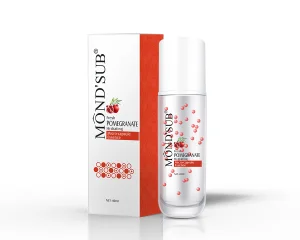
| North America / Northern Europe | Temperate/Dry; compromised skin barrier, premature aging due to pollution. | Ceramides, Bakuchiol, and Pomegranate extract for barrier protection and deep hydration. | Rich Micro-Capsule Serums & Hydrogel Sheet Masks. |
| Southeast Asia / South America | Humid/Hot; sebum overproduction, acne-prone, post-inflammatory hyperpigmentation. | Licorice Root, Acne Balance Botanical Complex (Centella Asiatica + Tea Tree), Niacinamide. | Lightweight Hyaluronic Acid Gel Serums & Bio-cellulose Masks. |
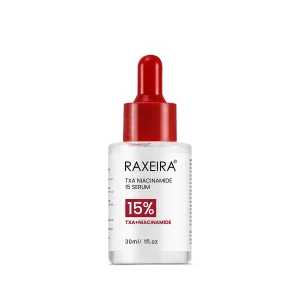
| East Asia (Korea, Japan, China) | Seasonal variations; focus on skin translucency, brightening, and anti-glycation. | TXA (Tranexamic Acid), Astaxanthin, Nicotinamide, Silk Peptides. | Concentrated Active Ampoules & Tencel/Cupra Sheet Masks. |
To comply with global regulatory frameworks (including the FDA’s MoCRA in the United States and the EU’s Cosmetics Regulation EC No 1223/2009), botanical products must undergo rigorous testing. Reliable factories implement extensive quality assurance practices:
Our commitment to excellence reflected in audited production metrics and operational standards.
Hangzhou Tsuya Beauty Co., Ltd. is a professional facial serum manufacturer specializing in the development, production, and supply of advanced skincare solutions for global beauty brands, retailers, e-commerce businesses, and private label partners. With a focus on innovation, quality control, and market-driven product development, the company provides a comprehensive range of facial serums designed to address diverse skincare needs across international markets.
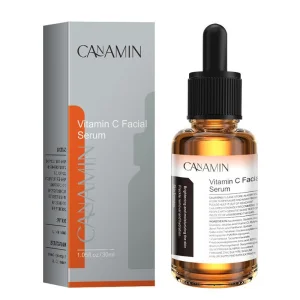
The company's product portfolio includes hydrating serums, brightening serums, anti-aging serums, vitamin C serums, hyaluronic acid serums, niacinamide serums, peptide serums, collagen-boosting serums, dark spot correction serums, and skin barrier repair formulations. Each product is developed with carefully selected ingredients and manufacturing processes that support consistency, safety, and performance.
Hangzhou Tsuya Beauty Co., Ltd. operates modern production facilities and follows strict quality management standards throughout formulation, ingredient sourcing, manufacturing, packaging, and final inspection. The company emphasizes product stability, formulation compatibility, and regulatory compliance to help customers meet the requirements of different regions and sales channels.
In addition to standard product lines, the company offers flexible OEM and ODM services, enabling clients to develop customized skincare products based on target markets, ingredient preferences, packaging specifications, and branding requirements. From concept development and sample testing to mass production and logistics support, Hangzhou Tsuya Beauty Co., Ltd. provides integrated manufacturing solutions designed to streamline product launches and brand expansion.
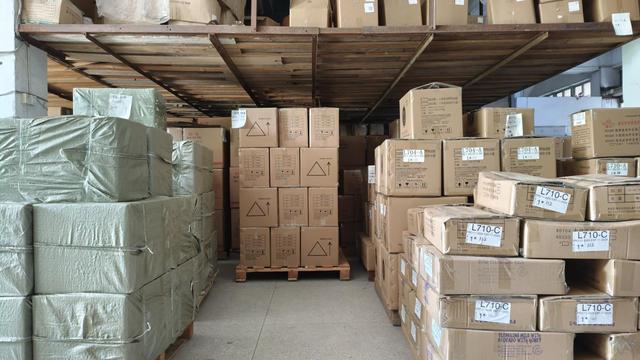
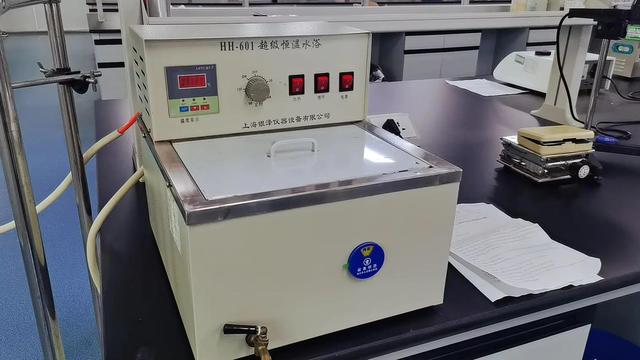
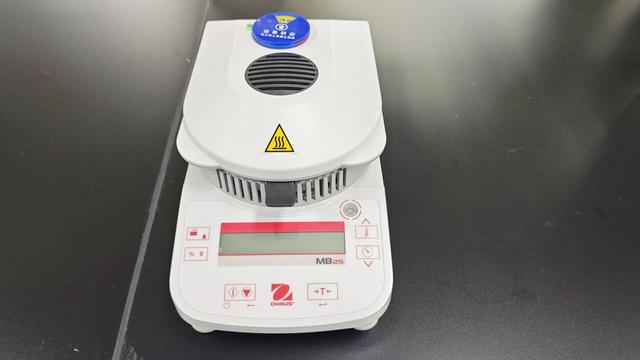
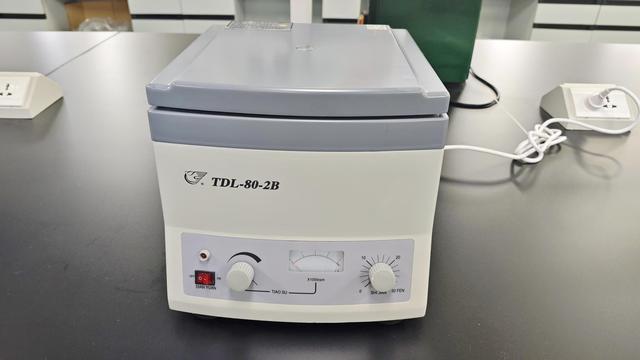
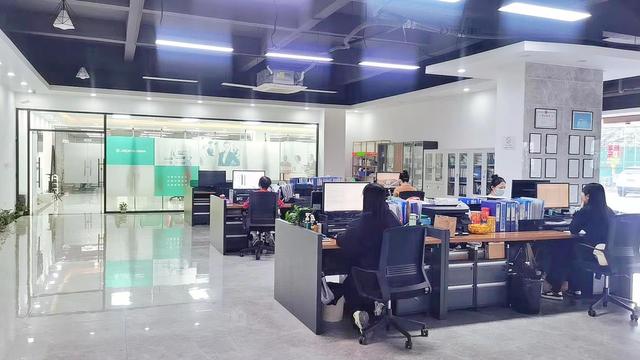
A visual tour of our cleanrooms, precision filling lines, automated packing halls, and quality control laboratories.
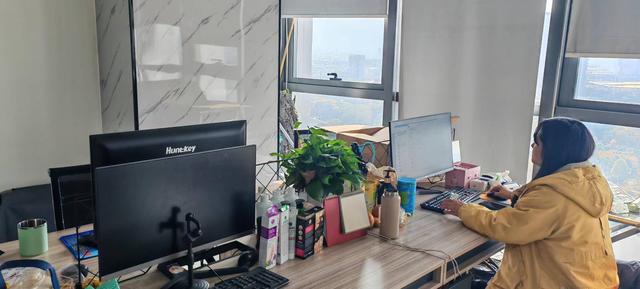
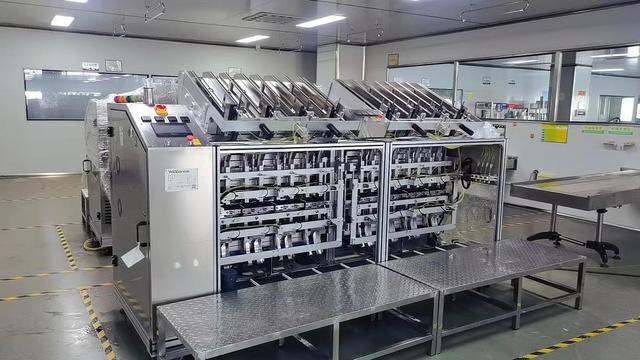
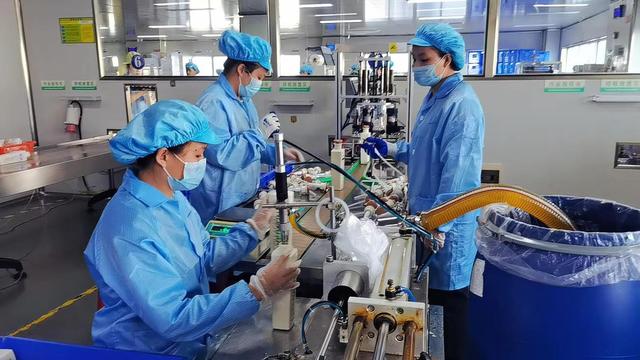
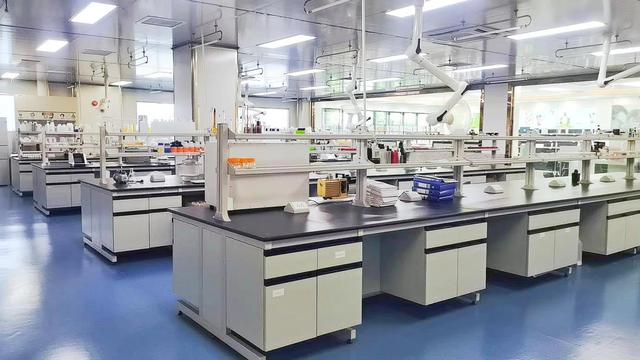
Crucial sourcing, formulation, and compliance details answered by our technical specialists.
Our standard MOQ for OEM/ODM private label skincare formulations ranges from 3,000 to 5,000 units, depending on the complexity of the formulation and the packaging selection. For standard, pre-formulated house options, we can often support smaller MOQs to assist brands with market validation phases.
We use protective formulation techniques such as micro-encapsulation and liposomal delivery systems to isolate sensitive botanicals (like Vitamin C, Astaxanthin, or Retinol alternatives) from light, oxygen, and thermal fluctuations. Every formulation undergoes accelerated stability testing for at least 3 months.
Yes. Our manufacturing facilities comply with GMPC standards and ISO 22716. We assist our clients in preparing comprehensive documentation, including Product Information Files (PIF) for the European Union, and ensuring compliance with the FDA's MoCRA guidelines in the United States.
Certainly. We offer a variety of high-performance base materials, including Japanese Cupra, Tencel, eco-friendly bamboo fiber, charcoal-infused fabric, bio-cellulose, and hydrogels. This allows brands to select materials aligned with their positioning and efficacy requirements.
Select specialized botanical active formulations to expand your brand portfolio.