Why Does Facial Serum Pill on My Skin?

Time:2026-10-13 Author:Sienna
0%

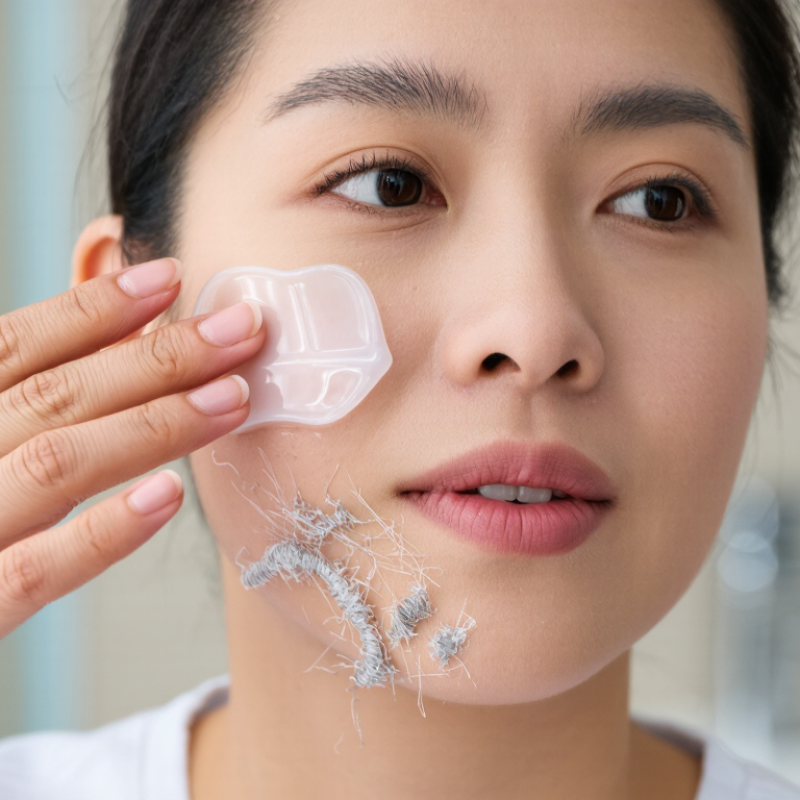
Have you ever smoothed facial serum across your cheeks, only to see tiny gray-white rolls gather beneath your fingers? The question “why does facial serum pill on my skin” usually has a chemistry-based answer, not a sign of dirty skin. Pilling happens when ingredients, friction, and layering create small product particles on the surface. As cosmetic chemist Dr. Michelle Wong explains through Lab Muffin Beauty Science, “Pilling is when your skincare products form little balls on your skin.” The image is simple: a silky serum turns into pencil-eraser crumbs near the jawline.

This problem matters because skincare is a major, fast-growing category. Grand View Research reported that the global skincare products market was valued at approximately $155.7 billion in 2022. Cosmetics Europe also identifies skincare as the continent’s largest cosmetics category. These reports describe market scale, not a guarantee that every formula performs well together. A large market can still contain confusing routines.

The leading causes include excess product, fast rubbing, incompatible film-forming polymers, and applying makeup before each layer sets. Silicone-heavy formulas may roll when disturbed. Thick gels can behave similarly over sunscreen. Skin texture, dryness, and facial hair can increase friction, too. Sometimes, the serum is not the real problem.

A small test helps. Apply half the usual amount to clean, slightly damp skin. Wait two minutes. Then press, rather than rub, the next product across your face. If pilling continues, test each layer separately. This process is less glamorous, but more reliable. I also think many routine guides oversimplify the issue. Ingredient lists help, yet real skin-testing remains essential.

Why Does Facial Serum Pill on My Skin?

What Does Facial Serum Pilling Mean?

Facial serum pilling means the product is forming tiny flakes, threads, or soft “rubber-like” balls on your skin. It is usually a surface interaction, not dead skin suddenly peeling away. When you rub the serum, its polymers, oils, and leftover skincare layers can gather together. It is not dirt.

In cosmetic formulation, pilling often reflects friction, drying time, or ingredient compatibility. Water-based gels may contain film-forming polymers, while silicone-rich formulas can create a slippery layer. Too much product increases the risk. A practical estimate is one to three drops for the whole face, although skin area and formula texture vary. Cosmetics Europe reported a €104 billion European cosmetics and personal care market in 2023, showing how widely layered routines are used. However, that industry report does not measure pilling directly. That limitation matters.

Try applying thinner layers on clean, slightly damp skin. Wait thirty to sixty seconds before adding another product. Press gently instead of rubbing. If pilling continues, test the serum alone on one cheek for a day. Then introduce your moisturizer separately. I have found that sunscreen often reveals the problem later, which can make the serum seem guilty. It may not be. Stop using the product if you notice burning, swelling, or persistent redness. Pilling is usually cosmetic, but irritation deserves professional attention.

Which Ingredients and Formulas Cause Serum Pilling?

Facial serum pilling usually means the formula is forming tiny rolls on your skin.

It happens when a product film gathers under friction instead of settling evenly. The rolled pieces are often dried polymers, not dead skin. This distinction matters. I have blamed the wrong ingredient before. Not always.

Film-forming ingredients are common triggers. Look for acrylates copolymer, carbomer, cellulose gum, xanthan gum, or high-molecular-weight hyaluronic acid.

These materials can create a flexible layer that resists quick absorption. Silicones, including dimethicone, may contribute when combined with heavy polymers or rubbed repeatedly. However, silicone alone is not automatically the cause. Texture depends on concentration, particle size, and the formula’s drying pattern.

Gel serums containing several thickeners may pill more easily than lighter liquid formulas. Problems also appear when water-based serum is layered over a sticky essence, facial oil, or mineral sunscreen.

Apply less product and press gently instead of rubbing.

Allow each layer to dry for several minutes.

A useful test is simple: apply the serum alone on one cheek, then repeat your normal routine on the other. If pilling appears only after layering, the combination is probably responsible. If it happens alone, the formula may contain too much film-forming material for your skin’s surface and application style.

How Application Habits Can Trigger Skin Pilling

Why Does Facial Serum Pill on My Skin?

Serum pilling often begins with application habits, not a faulty formula. When products roll into tiny flakes, they may be reacting to friction, excess product, or layered textures. Film-forming ingredients can sit on the skin and gather when rubbed. Dry, rough patches make this effect more visible. I have noticed more pilling after applying serum with quick, repeated strokes. The skin looked clean, but the product had not settled properly.

Applying too much serum is a common trigger. A thin, even layer usually performs better than a heavy coating. Give each product time to absorb, especially between watery serum, moisturizer, and sunscreen. Thirty to sixty seconds may help, although skin temperature and humidity can change the timing. Pressing products into the skin is gentler than massaging them aggressively. Pilling does not always mean the serum is ineffective. Still, persistent rolling deserves a closer look at the entire routine.

Tips: Use clean, slightly damp skin, then apply two or three drops. Spread the serum lightly, and stop rubbing once the surface feels smooth. Remove dead skin gently, but do not exfoliate repeatedly to fix pilling. Test the serum alone for several days before adding other products. If pilling continues, simplify the routine and check whether your moisturizer or sunscreen creates the residue. My own mistake was blaming the serum too quickly. The real problem was usually too many layers and impatient hands.

How to Prevent Facial Serum from Pilling

Why Does Facial Serum Pill on My Skin?

Facial serum pills when product layers cannot settle into a smooth film. Small rolls may appear during rubbing, sunscreen application, or makeup use. This often happens when formulas contain film-forming ingredients, silicones, oils, or thick moisturizers. Applying too much product can make the problem worse. Dry flakes and rough texture may also push serum into visible crumbs.

How to Prevent Facial Serum from Pilling

Use a small amount, usually two or three drops for the whole face. Press the serum gently into clean, slightly damp skin instead of rubbing it quickly. Allow two to five minutes before applying moisturizer or sunscreen. This waiting time matters. Apply thinner products before richer ones, and keep each layer light. If your skin feels sticky, you may already be using too much.

I used to blame the serum immediately. Later, I noticed that vigorous rubbing caused more pilling than the formula itself. Wash away leftover cleanser, but avoid scrubbing your skin. Excess cleansing can create dry patches that catch product. Try the serum alone on one cheek for several days. Then add one product at a time. If pilling continues, reduce the number of layers or change the application method. Patch testing remains sensible, especially when your skin is sensitive. A product can feel elegant one day and pill the next, depending on humidity, dryness, and how much sunscreen you applied.

Why Does Facial Serum Pill on My Skin? - How to Prevent Facial Serum from Pilling

Common Cause What You May Notice Why It Happens Recommended Adjustment Suggested Wait Time Prevention Priority
Too much product Visible rolls or flakes appear when sunscreen or makeup is applied. Excess product cannot absorb evenly and is pushed into small clumps during rubbing. Use a thin, even layer. Start with 2–3 drops for the entire face unless the product directions state otherwise. 30–60 seconds High
Layering too quickly Pilling starts immediately after applying moisturizer, sunscreen, or makeup. The previous layer is still wet, so the next product mixes with it instead of forming a smooth film. Allow each layer to settle before applying the next one. 30–90 seconds High
Rubbing or massaging too vigorously Small rubbery particles form mainly around the cheeks, nose, or jawline. Friction gathers partially dried polymers, silicones, and other film-forming ingredients. Press, pat, or gently smooth the serum instead of repeatedly rubbing the skin. Not applicable High
Incompatible product textures The serum pills only when paired with a particular moisturizer, sunscreen, or primer. Different formulas may contain film-formers, oils, powders, or thickeners that do not layer smoothly together. Test the serum with one product at a time and select compatible, lightweight textures. 60–120 seconds Medium
Heavy buildup of skincare or makeup Pilling increases throughout the routine, especially under foundation or concealer. Multiple layers create a thick surface film that is easily displaced. Simplify the routine and avoid applying several products with similar moisturizing or priming functions. 1–2 minutes Medium
Dry or flaky skin surface The serum catches on rough patches and forms uneven flakes. Loose corneocytes and dehydrated areas create an irregular surface that interferes with even application. Use a gentle cleanser, apply moisturizer to slightly damp skin, and avoid aggressive scrubbing. 1–2 minutes Medium
Formula with film-forming ingredients Pilling occurs even when a small amount is used and the application is gentle. Ingredients such as certain polymers, gums, and silicones can form a flexible film that rolls under friction. Apply less product, reduce rubbing, or use the serum in a separate routine. 60–120 seconds Medium
Applying on wet or overly damp skin The serum feels slippery and later rolls off in patches. Excess water dilutes the product and can make the layer more mobile during application. Apply to slightly damp skin, not dripping-wet skin, and use gentle pressing motions. 30–60 seconds Medium
Inadequate cleansing The product feels uneven, waxy, or difficult to spread from the beginning. Residual sunscreen, makeup, sebum, or cleansing balm may interfere with the serum’s film. Cleanse thoroughly without stripping the skin, then apply the serum to a clean surface. Not applicable Low–Medium
Quick troubleshooting order: reduce the amount, stop rubbing, wait longer between layers, simplify the routine, and test the serum with a different moisturizer or sunscreen.

When Pilling May Indicate a Skincare Compatibility Problem

Why Does Facial Serum Pill on My Skin?

When small rolls appear after rubbing, the serum may not be “bad.” Pilling often reflects a compatibility problem between formulas, application pressure, and skin surface conditions. Film-forming polymers can gather into flakes when layered over silicone-like emollients, rich creams, or partially absorbed sunscreen. Dead skin, facial oil, and repeated rubbing can intensify the effect.

The problem is common in a crowded market. Cosmetics Europe’s 2023 Market Performance Report valued European cosmetics sales at about €88 billion, yet market reports rarely measure pilling or product compatibility. That gap matters. A product can meet safety requirements and still perform poorly beside another formula. The American Academy of Dermatology recommends applying treatment products after cleansing, followed by moisturizer and sunscreen. However, sequence alone cannot solve every interaction.

Try one pump on completely dry skin. Pat instead of rubbing. Wait several minutes before adding another layer. If pilling stops, friction or excess product was probably involved. If it continues, test the serum without moisturizer on one cheek. Stop if you notice burning, swelling, or persistent redness.

I once blamed the serum immediately. That assumption was incomplete. Sometimes the real issue is a thick sunscreen, too many layers, or hurried application. A useful check is simple: change one product at a time, and photograph the texture before judging it. Personal testing is not perfect, but it is more reliable than guessing from a single bad morning.

FAQS

What does facial serum pilling look like?

It appears as tiny rolls or crumbs during rubbing, sunscreen application, or makeup use. These pieces are often dried product polymers, not dead skin.

Which ingredients can make a serum pill?

Film-forming ingredients may trigger pilling. Common examples include acrylates copolymer, carbomer, cellulose gum, xanthan gum, and high-molecular-weight hyaluronic acid.

Can silicone cause serum pilling?

Silicone can contribute when combined with heavy polymers, oils, or repeated rubbing. Silicone alone is not automatically responsible. Texture depends on concentration and drying speed.

Does applying too much serum increase pilling?

Yes. A thick layer may remain sticky and gather under friction. Try two or three drops for the entire face. Less can work better.

How should I apply serum to reduce pilling?

Press the serum gently into clean, slightly damp skin. Avoid fast rubbing. Wait two to five minutes before applying moisturizer or sunscreen.

Can other skincare products cause serum pilling?

Yes. A serum may pill over a sticky essence, facial oil, rich moisturizer, or partly absorbed sunscreen. Several thick layers can create visible rolls.

How can I tell whether the serum or the routine causes pilling?

Apply the serum alone on one cheek. Use your normal routine on the other cheek. If only one side pills, layering may be the problem.

Can dry skin or leftover cleanser make pilling worse?

Yes. Dry patches and cleanser residue can catch the product during application. Clean gently, avoid scrubbing, and notice rough areas before applying serum.

What should I do if pilling continues?

Change one product or technique at a time. Try the serum on completely dry skin and pat gently. I once blamed the serum too quickly. Not always. Stop if burning, swelling, or lasting redness appears.

Conclusion

Facial serum pilling refers to the small rolls or flakes that form when a product sits on the skin instead of absorbing smoothly. If you wonder, “why does facial serum pill on my skin,” the cause may be the formula, the order of your skincare routine, or the way products are applied. Ingredients that create a film, thick textures, high levels of polymers, or formulas that do not layer well together can increase the chance of pilling.

Application habits also matter. Using too much serum, rubbing vigorously, applying products before the previous layer has settled, or layering incompatible textures may trigger this effect. To prevent pilling, apply smaller amounts to clean, slightly damp skin, allow each product time to absorb, and gently press rather than rub. If pilling continues despite careful application, the products may not be compatible, or your routine may contain unnecessary layers. Simplifying the routine and introducing products one at a time can help identify the problem.

Sienna

Sienna

Sienna is a skilled marketing professional with a deep expertise in our company’s core products and services. With a passion for innovation and detail, she plays a pivotal role in crafting insightful blog posts that not only highlight the unique features of our offerings but also provide valuable......