Knowing when should I apply facial serum can significantly enhance your skincare routine. Serums are concentrated formulas designed to address specific skin concerns. Applying them at the right time can maximize their benefits.
For optimal results, consider your skin type and daily routine. Many people wonder about the best time to integrate this product. Morning routines or evening rituals are common options. However, each has its own advantages. For instance, applying serum in the morning can hydrate and prepare your skin for makeup. On the other hand, nighttime use allows the serum to work in synergy with your skincare while you sleep.
Reflecting on your experience can also help. You may notice variations in how your skin reacts based on different application times. Some find better absorption in the morning due to fresh skin. Others appreciate the healing benefits overnight. Ultimately, understanding when you should apply facial serum requires personal experimentation. Your skin is unique; it can evolve. Pay attention to changes over time and adjust accordingly.
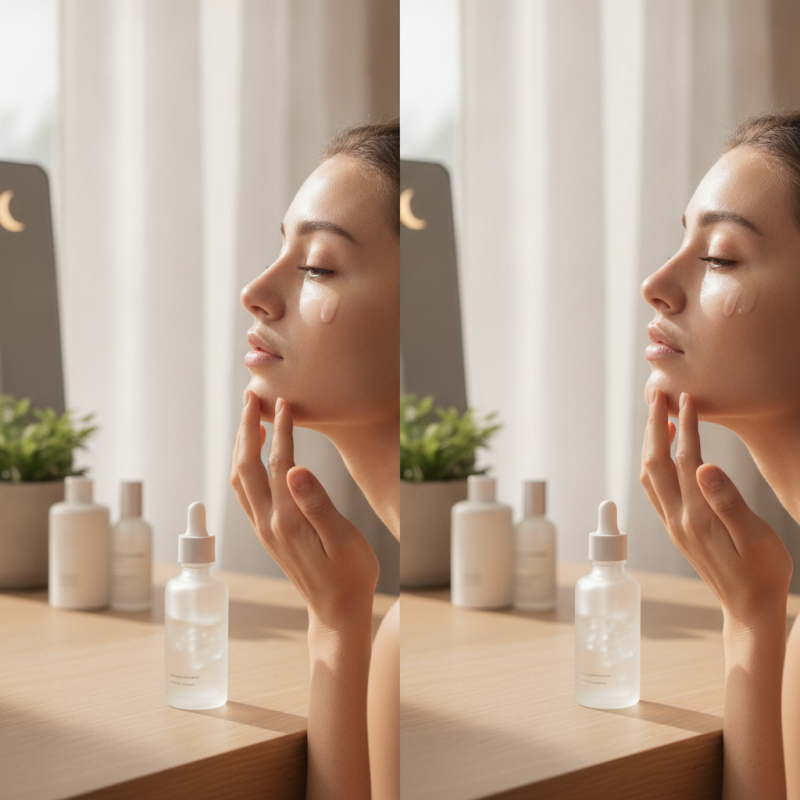
Understanding Facial Serums and Their Benefits
Facial serums have gained popularity for their concentrated formulas, delivering potent ingredients. These powerful skincare products target various skin concerns, such as dryness, fine lines, and uneven tone. Many people are unaware of how to integrate serums into their routine effectively.
Understanding the benefits of serums is crucial. They penetrate deeply into the skin due to their lightweight consistency. This means they can deliver nutrients directly to where they are needed most, resulting in visible improvement over time. Ingredients like hyaluronic acid and vitamin C can hydrate, brighten, and even out complexion. However, not every serum is suitable for every skin type. It requires a bit of trial and error to find the best one for your skin.
Timing of application also matters. Applying serums after cleansing and toning, but before moisturizing, ensures maximum absorption. But, it can be tempting to use too much product, leading to irritation. Listening to your skin is vital. Sometimes, less is more. Finding the right balance takes patience and experimentation.
Choosing the Right Time for Facial Serum Application
Choosing the right time for facial serum application can significantly enhance its effectiveness. According to a study from the Journal of Cosmetic Dermatology, applying serums on clean, damp skin allows for better absorption. This is due to the skin's permeability being higher at this stage. Applying serum post-cleansing and before moisturizer maximizes hydration and nutrient delivery.
Tips: Always cleanse your face before applying any product. This simple step removes dirt and allows serums to penetrate well. Consider applying in the morning to prep your skin for the day or at night for restorative benefits.
Timing matters greatly. The skin’s ability to absorb ingredients fluctuates throughout the day. Research from the International Journal of Cosmetic Science suggests that certain active ingredients, like retinol, work better applied at night. This allows your skin to recharge, reducing potential irritation caused by sunlight.
Tips: Pay attention to how your skin reacts during different times of application. If you notice irritation in the morning, shift to evening use. Find a routine that feels right for you. Remember, personalizing your skincare is essential; there is no one-size-fits-all solution.
When Should I Apply Facial Serum for Best Results?
Step-by-Step Guide to Applying Facial Serum
Applying facial serum is an essential step in any skincare routine. Its effectiveness largely depends on the timing and method of application. According to dermatologists, applying serum after cleansing and toning your skin maximizes absorption. The skin is most receptive at this stage, allowing potent ingredients to penetrate deeply. Studies show that serums can improve skin hydration by up to 80% when used correctly.
To begin, gently cleanse your face with a mild cleanser to remove dirt and impurities. Next, use a toner to balance your skin’s pH. Afterward, apply a small amount of serum to your fingertips—about a pea-sized amount is usually sufficient. Use your ring finger to dab the serum on key areas: forehead, cheeks, and chin. This helps avoid unnecessary pressure on sensitive skin. The ideal application technique is to lightly press and pat the serum into your skin until fully absorbed. This method is more effective than simple spreading, as it encourages better penetration of active ingredients.
Many individuals overlook the importance of following up with a moisturizer. A moisturizer locks in the serum’s benefits, creating a protective barrier. Without this step, the serum may evaporate quickly, reducing its effectiveness. It’s easy to get complacent about these details, but they significantly impact the results. Remember, achieving radiant skin takes time and consistency.
When Should I Apply Facial Serum for Best Results?
| Step |
Action |
Recommended Timing |
Tips for Best Results |
| 1 |
Cleanse Face |
Morning and Evening |
Use a gentle cleanser to avoid skin irritation. |
| 2 |
Apply Toner |
After Cleansing |
Helps to balance skin pH. |
| 3 |
Apply Facial Serum |
Immediately After Toner |
Use a pea-sized amount and gently press into skin. |
| 4 |
Moisturize |
After Serum Application |
Helps lock in serum benefits. |
| 5 |
Use Sunscreen (AM) |
Morning Routine |
Protects against UV damage. |
Complementing Facial Serums with Other Skincare Products
Choosing the right time to apply facial serum is crucial. However, complementing serums with other skincare products enhances their effectiveness. Research indicates that layering products can lead to better absorption and results. The Journal of Cosmetic Dermatology suggests using serums after cleansing and toning. This creates the perfect canvas for their active ingredients.
Using serums alongside moisturizers can maximize hydration. A study in the International Journal of Dermatology reported that combining hyaluronic acid serums with moisturizers improved skin hydration by 50% within weeks. It is essential to wait a few minutes after applying your serum to allow for effective penetration. Rushing this step may lead to suboptimal results.
Consider skin types when mixing products. Oily skin may benefit from lighter, gel-based layers, while dry skin often requires thicker creams. Finding the right combination can feel daunting, and not every mix will work for everyone. Testing different products is necessary to discover what complements your skin best. Keep track of your routine to see what yields real improvements.
Tips for Maximizing the Effectiveness of Your Facial Serum
Using facial serums effectively can enhance your skincare routine. Research shows that applying serums after cleansing and toning can increase absorption. According to a study from the Journal of Dermatological Science, the skin can absorb nutrients up to 80% more efficiently when applied on slightly damp skin. This highlights the importance of the right timing and method.
For optimal results, layer your serums correctly. Begin with the thinnest consistency and progress to thicker formulations. This technique allows each product to penetrate deeply. A report from the American Academy of Dermatology suggests that combining hyaluronic acid with vitamin C serums can boost hydration and improve skin texture significantly. However, be cautious with the amounts used. Overloading your skin may lead to irritation.
Consider your skin type. For oily skin, a lightweight serum may be better. Those with dryness might prefer a richer formula. Keep in mind that individual reactions can vary. It’s essential to pay attention to how your skin responds. Not every serum works for everyone. Trial and error might be necessary to find the perfect fit.
Conclusion
Facial serums are potent skincare products designed to deliver concentrated nutrients to the skin, offering numerous benefits such as hydration, anti-aging, and improving skin tone. Understanding when should I apply facial serum is crucial for maximizing its effects. The best time to apply a serum is typically after cleansing and toning, but before moisturizing, as this allows for better absorption and effectiveness.
To apply facial serum effectively, follow a simple step-by-step guide: cleanse the skin, apply a toner if desired, dispense a few drops of serum into your palm, gently press it into the skin, and follow up with a moisturizer. To enhance the efficacy of your serum, consider it alongside complementary skincare products and maintain a consistent routine. Incorporating these practices into your skincare regimen can significantly improve your skin's health and appearance.
 Tsuya Beauty
