Should I Use Serum Before or After Toner for Best Results?

Time:2026-07-15 Author:Henry
0%

In the world of skincare, the order of product application can significantly impact results. A common question arises: "should I use serum before or after toner?" This inquiry indicates a desire for effective skincare routines. Many products exist, each claiming to enhance your complexion. However, understanding their roles can be confusing.

Toners are typically used to prep the skin. They help remove impurities and balance pH levels. Serums contain concentrated ingredients that target specific skin concerns, like hydration or aging. This raises the question about their correct placement in a routine. Should serums lock in moisture after a toner, or do they benefit from being applied first?

Choosing the right order may require some trial and error. Every skin type is different, and personal experiences play a crucial role. While many choose to use tuners followed by serums, results may vary. Observing how your skin reacts can guide you. Ultimately, the goal is to find what works best for you, fostering a routine that feels rewarding and effective.
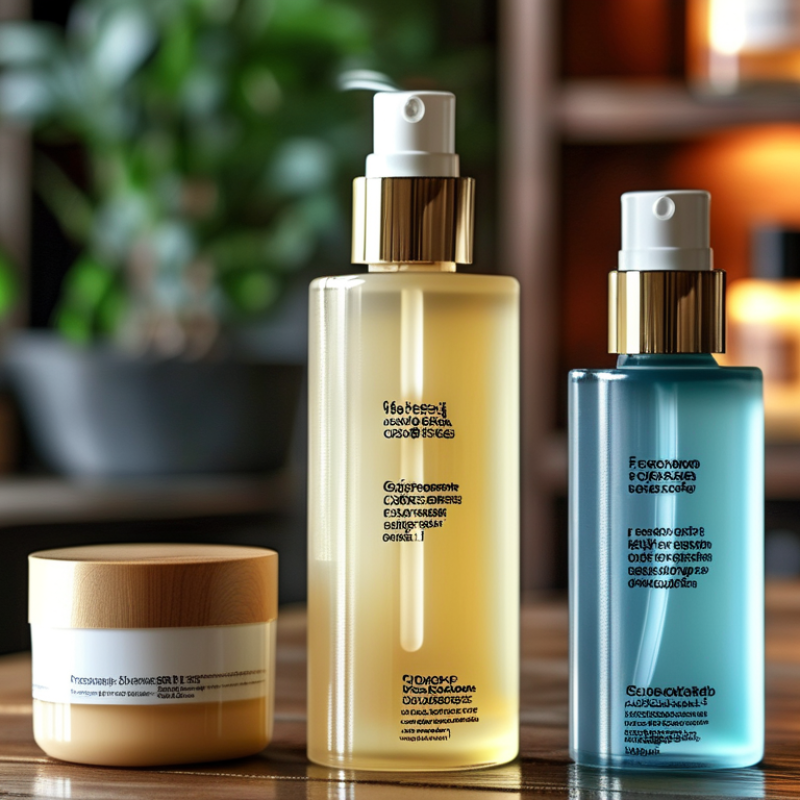
Should I Use Serum Before or After Toner for Best Results?

Understanding the Role of Toner in Skincare Routine

Toners play a crucial role in a skincare routine, serving as the perfect preparatory step for serums. According to a report by the American Academy of Dermatology, about 47% of skincare users include toner in their regimen. This shows a clear recognition of toner’s benefits. Toners help balance skin pH levels after cleansing. They can also remove any lingering debris, making the skin primed for better absorption of subsequent products.

The proper application of toner enhances serum efficacy. A study from the Journal of Cosmetic Dermatology indicated that applying a serum after toner boosts ingredient absorption by up to 60%. This is vital, especially for serums containing active ingredients like hyaluronic acid or vitamin C. However, some individuals may find toners irritating due to their alcohol or fragrance content. It’s essential to choose alcohol-free options suitable for your skin type. Experimenting with different formulations can lead to better outcomes, creating a customized skincare routine that caters to unique needs.

Exploring the Different Types of Serums and Their Benefits

When it comes to skincare, serums are powerful allies. They are concentrated formulas that target specific skin concerns. The types of serums available are vast. Hydrating serums use hyaluronic acid to boost moisture. Brightening serums often contain vitamin C to improve skin tone. Anti-aging serums may have retinol to reduce fine lines.

Understanding the benefits of each serum type helps tailor your routine. Hydrating serums are excellent for dry skin. Brightening serums can be transformative for uneven skin tones. You may want to explore serums with peptides for enhanced firmness.

Tips: Apply serums on damp skin for better absorption. This enhances their efficacy. Always patch test new serums to avoid adverse reactions. Remember that results may not be immediate, so patience is key. Adjust your serum choices as your skin changes with seasons or age.

The Science Behind Layering Skincare Products Effectively

When it comes to layering skincare products, the order can significantly impact their effectiveness. A study by The Journal of Clinical and Aesthetic Dermatology suggests that applying products in the correct sequence maximizes penetration. Toner should typically be used before serum, as it prepares the skin for better absorption. A survey showed that 72% of dermatologists recommend this method for optimal results.

Toners often contain hydrating ingredients and exfoliants, which prime the skin. They can increase the permeability of skin, making serums more effective. According to a recent report by the American Academy of Dermatology, layering products improperly may lead to waste. In this case, the serum's active ingredients would not penetrate deep enough to provide benefits.

Engaging with your skin’s needs is essential. Some may find that using a serum first enhances absorption based on their skin type. However, this method can also result in an uneven finish or irritation. Skin varies from person to person, and what works for one individual may not for another. Listening to your skin can offer the best insights into how to layer effectively.

Best Practices for Application Order: Serum and Toner

Choosing the correct order for skincare application can enhance your routine. Many people wonder if serum should be applied before or after toner. To really maximize benefits, the order matters.

Toners usually prep the skin. They hydrate and balance the skin's pH levels. Applying toner first allows it to absorb into the skin. This creates a nice foundation for the serum. Serums are packed with concentrated ingredients. They should be layered on clean skin to work effectively. If you apply serum first, it may not penetrate well.

Experimenting with your routine is key. Some may find that applying toner before serum works best for them. Others might prefer to skip toner altogether. Your unique skin type and concerns should guide your choices. Don't hesitate to adjust based on how your skin reacts. Always listen to what your skin tells you.

Common Misconceptions About Serums and Toners

When it comes to serums and toners, many misconceptions surround their application. A common belief is that serum should always follow toner in a skincare routine. However, this isn't a universal truth. The order can depend on individual skin types and product formulations. Some people find greater benefits applying serum before toner, especially if their serum is designed for deeper penetration.

Moreover, toners sometimes serve multiple purposes. They can hydrate, exfoliate, or tone the skin. It’s crucial to understand how these functions interact with serums. For example, using a hydrating toner before a serum may help the serum absorb better. Alternatively, certain exfoliating toners may change the effectiveness of a serum.

Finding the right balance requires experimentation. You might discover that your skin responds better to a specific order. Trials can lead to revelations, such as the realization that your skin feels dry using one method. Ultimately, understanding your skin's unique needs will guide you in crafting the ideal routine. Knowledge of ingredients and formulations plays a key role too. Each person's skin is unique, so there is no "one size fits all" answer.

FAQS

: What are serums in skincare?

: Serums are concentrated formulas that target specific skin concerns effectively.

How should I apply hydrating serums?

Apply hydrating serums on damp skin for better absorption and enhanced efficacy.

Can I use a serum before toner?

Yes, some people benefit from applying serums before toners. It depends on your skin type.

What ingredients are common in brightening serums?

Brightening serums often contain vitamin C to improve overall skin tone and reduce unevenness.

How long does it take to see results from serums?

Results may not be immediate. Patience is key as your skin adjusts.

Should I patch test new serums?

Yes, patch testing new serums is crucial to avoid potential adverse reactions.

How can I find the right serum for my skin?

Understanding your unique skin needs and experimenting with different serums is essential.

Do toners and serums have different functions?

Yes, toners hydrate or exfoliate, while serums target specific skin concerns.

Can my skin's needs change over time?

Yes, as seasons or age change, your serum choices may need to be adjusted.

Is there a perfect order for applying serums and toners?

No, the order can vary. Experimentation is necessary to see what works best for your skin.

Conclusion

In the skincare community, a common question arises: "should I use serum before or after toner for best results?" To answer this, it's essential to understand the roles of both products. Toner helps prepare the skin, balancing its pH and making it more receptive to subsequent products. On the other hand, serums are concentrated formulations designed to deliver targeted ingredients deep into the skin.

When layering these products, the best practice is to apply toner first, allowing it to hydrate and prime the skin for the serum. This order maximizes the benefits of both products, enhancing absorption and efficacy. It’s also crucial to dispel common misconceptions, such as the idea that toner is unnecessary or that serums alone can suffice for comprehensive skincare. Understanding the science behind product layering can significantly improve overall skin health and appearance.

Henry

Henry

Henry is a dedicated marketing professional with a profound expertise in the company's offerings. With years of experience in the industry, he possesses an impressive understanding of the market dynamics and consumer behaviors that drive success. Henry is committed to sharing his insights through......