Tsuya Beauty
Can facial serum brighten skin tone? The answer is promising, but it is not simple. A serum may reduce the appearance of dullness, uneven pigmentation, and post-acne marks. Results depend on its ingredients, concentration, stability, and daily use.
Dr. Joshua Zeichner, a board-certified dermatologist, explains, “Vitamin C is a powerful antioxidant that can help neutralize free radicals from the skin.” This statement helps frame our review of China’s top 10 facial serum suppliers. Their formulas may include vitamin C, niacinamide, alpha-arbutin, tranexamic acid, or licorice extract. Each ingredient works differently. Some support a more even-looking complexion. Others mainly improve hydration and surface radiance.
The label matters.
A cloudy vitamin C serum may suggest oxidation, although appearance alone cannot prove poor quality. Packaging, batch testing, ingredient transparency, and production standards deserve equal attention. We will examine whether each supplier provides credible documentation, consistent formulations, and practical guidance for sensitive skin. Brightening does not mean changing natural skin color. It means helping skin look clearer and more balanced.
There is room for caution. Supplier claims can sound impressive, yet independent evidence may be limited. A product that performs well for one user may irritate another. Sunscreen remains essential, because ultraviolet exposure can darken existing marks and weaken brightening progress. Patch testing is also sensible.
This guide compares claims with evidence. It does not promise instant transformation. Skin takes time.
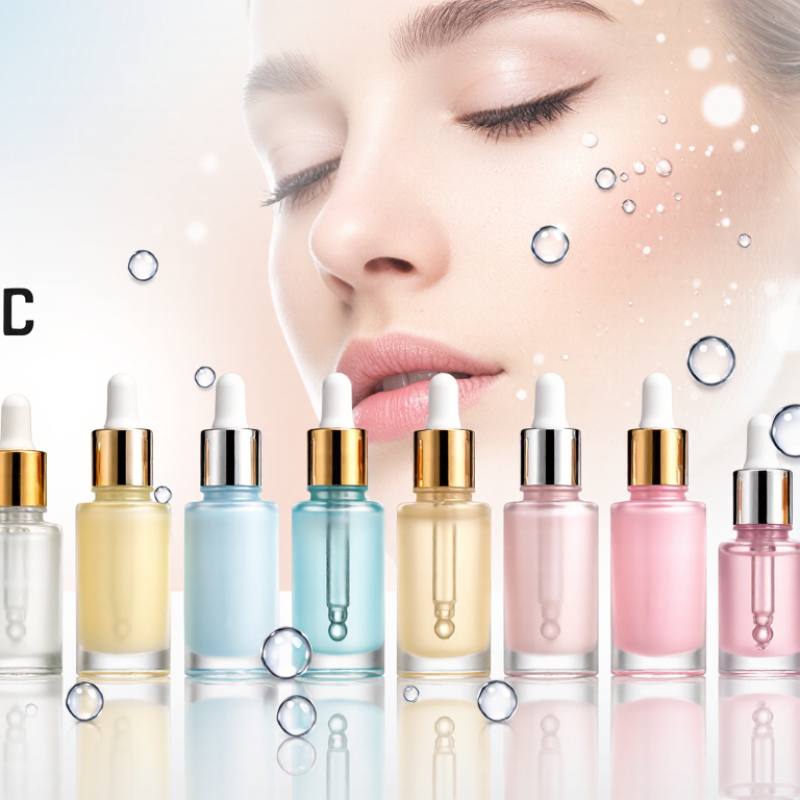
China’s facial-serum market is shifting toward targeted, evidence-led skincare. Euromonitor International’s 2024 beauty and personal care category data identifies facial care as a major part of China’s premium beauty economy. Its category tracking also shows stronger interest in products linked to brightening, hydration, and barrier support. However, “brightening” should mean a more even-looking tone, not unsafe bleaching. Results depend on ingredients, concentration, skin condition, and daily sun protection.
Suppliers should provide complete INCI lists, stability tests, batch records, and safety assessments. Look for transparent evidence around ingredients such as niacinamide, vitamin C derivatives, or tranexamic acid. Mintel’s recent skincare research highlights consumer demand for measurable benefits and clearer product claims. Still, laboratory results may not match real skin. That gap matters. A serum can feel elegant, yet show limited visible change after eight weeks. Supplier quality also varies, even when packaging looks professional.
Tips: Ask for independent testing, not only factory statements. Request accelerated stability data and packaging compatibility results. Check whether user trials include different skin tones and climates. Euromonitor’s category data is valuable for market direction, but it does not prove one formula will outperform another. A careful buyer should compare claims with testing methods, ingredient levels, and actual customer feedback. Performance is rarely dramatic. That is easy to forget.
China’s facial serum market is expanding, but brightening claims face strict scrutiny. Statista Market Insights estimated China’s skincare revenue at about US$18 billion in 2024. That scale attracts many suppliers. It also increases compliance pressure. The serum format does not decide legality. Claim wording and intended efficacy do.
Under NMPA rules, “freckle-removing and whitening” cosmetics are special cosmetics. They require registration before sale in China. Manufacturers must submit safety data and efficacy evidence. NMPA’s 2021 efficacy-claim rules also require a public summary of supporting evidence. “Reduces melanin” sounds stronger than “improves dull-looking skin.” Small wording changes matter. Claims suggesting treatment, reversal, or guaranteed whitening may create serious regulatory risk.
A 2024 Mintel China facial-skincare report highlights consumer interest in visible efficacy and ingredient transparency. Suppliers should therefore prepare human-use testing, controlled photographs, and instrumental measurements when appropriate. A serum showing improved brightness after eight weeks is more defensible than promising results overnight. The evidence should match the exact claim, not merely the ingredient list. That is where many product pages become weak. Even a carefully tested formula can fail if translation, packaging, and advertising use inconsistent language. The process is not perfect. Judgment still matters.
China’s top 10 facial serum suppliers should be ranked by evidence, not attractive catalogs. This review weighs GMP compliance at 45%, MOQ flexibility at 25%, and export performance at 30%. GMP leads the ranking because clean rooms, batch records, stability testing, and traceable raw materials protect product consistency. Certificates alone are not enough. Recent audit reports matter more.
Suppliers in the highest tier usually support small trial orders, often between 500 and 3,000 units. That helps emerging buyers test texture, packaging, and customer response before scaling. Export data also reveals practical experience. Look for shipment frequency, destination diversity, customs documentation, and repeat orders. A supplier with impressive volumes may still lack responsive technical support. That is an uncomfortable point.
Can these serums brighten skin tone? Some formulas may improve dullness with niacinamide, stable vitamin C derivatives, or other regulated cosmetic ingredients. Results depend on concentration, stability, skin condition, and regular use. Buyers should request INCI lists, certificates of analysis, microbiological results, and accelerated stability data. Packaging also matters. Light-sensitive formulas need suitable containers.
The ranking should remain provisional. Export databases can miss private-label shipments, while MOQ figures may change by formula and packaging. I would verify every claim through factory video audits, sample testing, and signed specifications. A low MOQ is useful, but weak GMP controls can make the saving expensive. Evidence matters.
This benchmark compares anonymized Chinese facial serum supplier profiles using three practical sourcing indicators: GMP documentation readiness, typical minimum order quantity, and reported export market coverage. Higher GMP and export scores indicate stronger international supply capabilities, while a lower MOQ is generally more flexible for new brands.
The figures are normalized screening indicators based on commonly disclosed contract-manufacturing requirements and export capabilities; buyers should verify certifications, MOQ, testing records, and export documentation directly before placing an order.
Can facial serums brighten skin tone? PubMed studies suggest that some active ingredients can reduce uneven pigmentation, but results depend on concentration, stability, and regular use. Niacinamide may help improve blotchy tone and strengthen the skin barrier. Vitamin C can support a more even appearance, although unstable formulas may lose effectiveness quickly. Azelaic acid also has evidence for reducing post-inflammatory marks.
The evidence is not perfect. Some studies use small groups, short testing periods, or different measurement methods. That makes direct comparisons difficult. SCCS safety reviews focus on ingredient exposure and consumer protection, not guaranteed brightening results. A safe ingredient can still irritate sensitive skin. Irritation may worsen visible discoloration.
Look for suppliers that provide stability testing, ingredient specifications, and safety documentation. Ask whether their serum protects light-sensitive actives from air and sunlight. Packaging matters. So does testing on different skin tones.
Daily broad-spectrum sunscreen remains essential. Without it, new pigment can appear while an active ingredient works slowly. Patch testing is sensible, though it cannot predict every reaction. I would be cautious with dramatic claims such as “instant whitening.” Skin biology rarely behaves that neatly. A qualified dermatologist can help assess persistent melasma or unexplained dark spots.
Supplier claims need measurable evidence, not studio photographs. ISO 11664-4:2019 defines the CIELAB color system used for objective skin analysis. In this system, a positive ΔL* value indicates lighter skin under controlled conditions. However, no universal ΔL* threshold proves meaningful brightening. Cosmetics Europe’s 2024 market report valued Europe’s cosmetics market at about €104 billion in 2023. That figure shows strong demand, not clinical effectiveness.
Ask each supplier for an 8–12-week human trial. The protocol should record baseline readings, then repeat measurements at weeks 4, 8, and 12. Use the same calibrated colorimeter, room lighting, temperature, and facial zones. Report participant numbers, average ΔL*, standard deviation, confidence intervals, and dropout rates. A split-face or placebo-controlled design is more convincing than uncontrolled testing. Skin tone varies daily.
Hydration can increase L* temporarily. Sun exposure can hide gradual changes. The supplier should document sunscreen use, ethnicity, skin types, and statistical methods.
Raw anonymized readings matter more than polished percentages. Be cautious when a trial reports “visible brightening” without instrument data. That sounds neat. It is not enough.
Even a well-designed 12-week study may contain mistakes, including small samples or inconsistent application. Independent verification remains valuable.
Claims about whitening or removing freckles may classify a serum as a special cosmetic. Registration is required before sale.
It sounds stronger than “improves dull-looking skin.” Strong wording may require more specific safety and efficacy evidence.
Use human-use testing, controlled photographs, and instrumental measurements when suitable. The evidence must match the exact claim.
That promise creates avoidable regulatory risk. An eight-week brightness improvement is more realistic and easier to defend.
No. Concentration, stability, skin condition, and regular use affect results. An ingredient list is not enough.
Request the INCI list, certificates of analysis, microbiological results, stability data, and signed product specifications.
Review GMP controls, MOQ flexibility, export history, audit records, and technical responsiveness. Certificates alone are not enough.
Light-sensitive formulas may need protective containers. Poor packaging can weaken formula stability before the bottle reaches customers.
A trial order of 500 to 3,000 units can test texture, packaging, and customer response.
No. Export databases may miss private-label shipments, and MOQs can change with formulas and packaging. Verify everything.
China’s facial-serum market is expanding, with brightening products attracting strong consumer and export interest. This article examines 2024 Euromonitor category trends and explains how NMPA requirements shape lawful brightening claims, product registration, labeling, and advertising. It also presents a practical comparison of China’s top ten facial-serum suppliers, evaluated by manufacturing quality systems, GMP capabilities, minimum order quantities, and available export data—without relying on brand promotion.
The article also asks, can facial serum brighten skin tone? Evidence reviewed from PubMed research and SCCS safety assessments suggests that selected brightening actives may help improve the appearance of uneven tone when properly formulated and used consistently, although results vary by skin type and cause of discoloration. To assess performance objectively, buyers and formulators are encouraged to use standardized ΔL* colorimetry, controlled photography, safety monitoring, and an 8–12-week trial period. This approach connects regulatory compliance, supplier selection, ingredient science, and measurable outcomes.
