Choosing the right facial serum can be challenging. With so many options available, one might wonder, "what ingredients should I look for in a facial serum?" The effectiveness of a serum lies in its formulation. Certain ingredients can deliver powerful benefits for the skin. This knowledge can significantly influence your skincare routine.
Common ingredients like hyaluronic acid provide hydration. Vitamin C helps brighten the complexion. Retinol is known for its anti-aging properties. However, not every ingredient works for everyone. Skin types vary greatly, and some may react negatively to specific components. It's crucial to know your skin's needs before making a purchase.
While many sources suggest popular ingredients, personal experimentation plays a vital role. Some may find a product seemingly perfect, yet it doesn't yield results. Understanding individual skin conditions and adjusting your choices is essential. Self-awareness in skincare is key to finding a suitable serum.
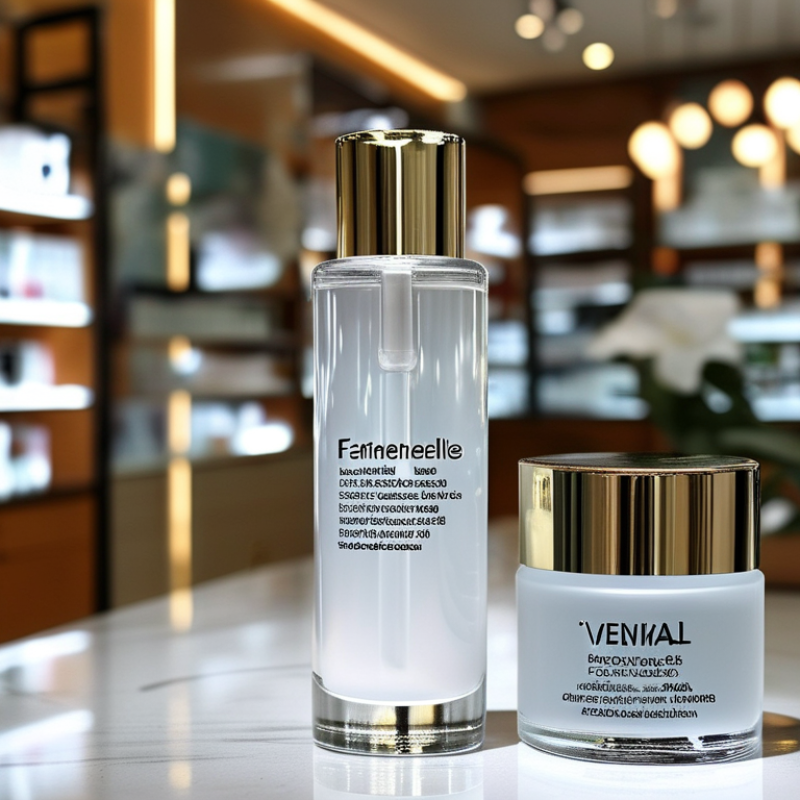
Understanding the Role of Facial Serums in Skincare
Facial serums are a key component in skincare routines. They carry concentrated formulas designed to address specific skin concerns. Understanding their role helps you choose the right one for your needs. A quality serum can brighten, hydrate, or tighten the skin, depending on its ingredients.
When selecting a serum, consider what your skin needs. Look for ingredients like hyaluronic acid for hydration. Vitamin C can brighten dull skin, while peptides promote firmness. Antioxidants defend against environmental damage. Each ingredient serves a distinct purpose, impacting your skin's appearance and health.
It’s important to note that not every serum works for all. Some may irritate sensitive skin. Patch testing is essential. Inconsistent application or usage can lead to missed benefits. Reflect on your skin's reactions and adjust accordingly. A serum is an investment, and understanding its role can lead to better skincare decisions.
Common Ingredients in Facial Serums
Key Ingredients for Hydration in Facial Serums
When selecting a facial serum, hydration should be a top priority. Key ingredients like
hyaluronic acid, glycerin, and squalane are essential for maintaining skin moisture.
According to a report by the Journal of Dermatological Science, hyaluronic acid can hold up to 1,000 times its weight in water, making it an excellent choice for plumping and hydrating the skin.
Glycerin, another popular ingredient, acts as a humectant, drawing moisture from the environment into the skin.
Squalane, derived from olive oil or sugarcane, is known for its lightweight texture and ability to soothe dryness.
A study conducted by the Dermatology Archives highlighted that squalane improves skin barrier function, which can prevent moisture loss.
For those with sensitive skin, this is a key consideration.
Incorporating these ingredients can result in healthier, more radiant skin.
Tips for selecting the right serum: Look for products with a high concentration of these hydrating ingredients.
Test how your skin reacts; sensitivity can vary greatly. Regularly check for product expiration dates to ensure efficacy and safety.
Remember, hydration goes hand-in-hand with skin health and appearance, so prioritize these ingredients in your skincare routine.
Antioxidants: Protecting Your Skin from Environmental Damage
When choosing a facial serum, antioxidants should be a key focus. These powerful ingredients combat environmental damage. Pollution, UV rays, and free radicals can harm your skin. Antioxidants work by neutralizing these threats. They can help prevent premature aging and dullness. Common antioxidants include vitamin C, vitamin E, and green tea extract.
Adding a serum rich in antioxidants to your routine can yield noticeable benefits. You might see brighter skin and a reduced appearance of fine lines. However, not every antioxidant works the same for everyone. Individual reactions vary. For some, certain ingredients can cause irritation. It’s essential to patch test new products before widespread application.
Consider your skin type when selecting an antioxidant serum. Oily skin may benefit from lighter formulations. Drier skin types might need richer textures. It's a complex balance. Sometimes, the best choice isn't obvious. Reflect on how your skin reacts over time. Adjust your products accordingly. Remember, finding the right serum can be a journey of trial and error.
Active Ingredients for Skin Brightening and Even Tone
When looking for a facial serum that promotes skin brightening and an even tone, focus on key active ingredients. Ingredients like vitamin C are famous for their brightening effects. They help reduce hyperpigmentation and improve skin radiance.
Another important ingredient is niacinamide. It minimizes dark spots and evens out skin tone effectively.
Consider incorporating alpha arbutin as well, which targets dark spots and promotes a more uniform complexion. This ingredient works well for all skin types. A little goes a long way, so be mindful of the concentration in your products. Always conduct a patch test before trying a new serum to avoid irritation.
Tips: Keep in mind that not all skin types react well to every active ingredient. Start with a lower concentration to assess your skin's response. Monitor how your skin feels and looks during the first few uses. If you experience redness or irritation, reassess the product's suitability for your skin. Regular use is key, but be patient. Results may take time, and that's okay.
The Importance of Choosing Serums for Your Skin Type
Choosing the right facial serum is crucial for achieving healthy skin. Each skin type has unique needs, and serums are formulated to address those needs. For instance, oily skin may benefit from serums containing salicylic acid, while dry skin thrives on hyaluronic acid. According to a report by the American Academy of Dermatology, using products suited to your skin type can lead to a 30% increase in overall skin health.
Ingredients matter. A serum designed for sensitive skin might include calming agents like chamomile or aloe vera. Conversely, aging skin may require vitamin C for its brightening properties. Dermatologists often emphasize the role of antioxidants in serums; they protect the skin from environmental damage. The right ingredient boosts the efficacy of your skincare routine.
Tips: Always patch-test new serums to avoid unexpected reactions. Ensure your chosen serum is free from alcohol and artificial fragrances, especially if you have sensitive skin. Finally, check for clinical studies on ingredient effectiveness; credibility matters in skincare. Remember, what works for someone else might not work for you. Listen to your skin's needs.
FAQS
: Facial serums contain concentrated formulas designed to target specific skin concerns. They enhance skincare routines effectively.
Consider your skin’s needs. Look for ingredients like hyaluronic acid for hydration or vitamin C for brightness.
No, not every serum suits all skin types. Some may irritate sensitive skin. Patch testing is crucial.
Serums can brighten, hydrate, or tighten the skin. Active ingredients significantly impact skin appearance and health.
Always start with a patch test. Monitor your skin's reaction during the first uses. Adjust if you feel irritation.
Inconsistent application can lead to missed benefits. Regular use is essential for optimal results, but patience is needed.
If redness or discomfort occurs, reassess the product. A lower concentration may be better for adjusting.
Results from serums can take time. Regular commitment is required, and immediate changes should not be expected.
Mixing serums can be beneficial but requires caution. Some combinations may irritate the skin or reduce effectiveness.
Look for vitamin C, niacinamide, and alpha arbutin. These ingredients help reduce dark spots and enhance skin tone.
Conclusion
When considering what ingredients should I look for in a facial serum, it's essential to understand the role that serums play in skincare routines. A good facial serum often serves as a concentrated treatment, delivering potent ingredients directly to the skin. Hydration is key, so look for serums containing hyaluronic acid or glycerin. Additionally, antioxidants like vitamin C can protect the skin from environmental damage while promoting a brighter complexion.
Active ingredients that contribute to skin brightening and an even tone, such as niacinamide or alpha arbutin, are also valuable additions. Furthermore, it's crucial to tailor your serum choice to your skin type; whether your skin is oily, dry, or sensitive, selecting the right ingredients can enhance your skincare effectiveness. By focusing on these key attributes, you can identify the best facial serums to meet your specific skincare needs.
 Tsuya Beauty
