In 2026, facial serum remains a focused step in many skincare routines. Yet more product does not always mean better results. Learning how to use facial serum correctly requires attention to skin type, ingredient strength, and application order.
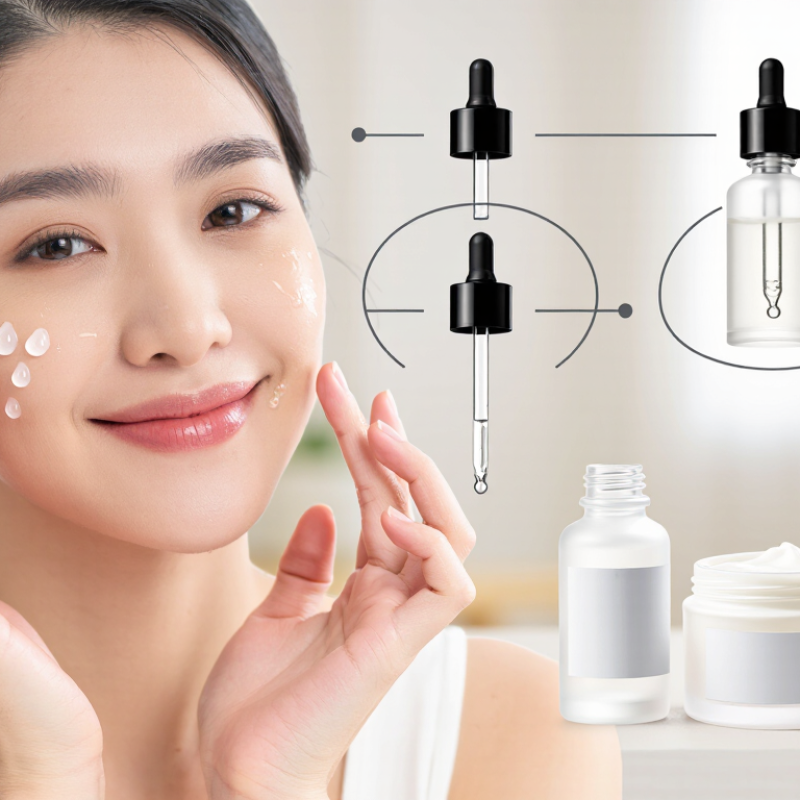
Board-certified dermatologist Dr. Hadley King explains, “Serums are lightweight products that contain a high concentration of active ingredients.” That concentration makes technique important. After cleansing, gently pat your face until it feels slightly damp, not dripping wet. Apply two or three drops, then press the serum across your cheeks, forehead, and chin. Avoid aggressive rubbing around the eyes unless the product is designed for that area.
Give it a moment.
Follow with moisturizer to reduce water loss. During the day, finish with broad-spectrum sunscreen. At night, keep the routine simpler when using retinol, exfoliating acids, or strong vitamin C. Combining several powerful formulas may cause redness, stinging, or peeling. This is where many routines fail: ambition replaces observation.
Patch testing remains sensible, especially for sensitive skin. Apply a small amount near the jawline and watch for irritation over 24 hours. However, a patch test cannot predict every reaction. Your skin may respond differently after repeated use, stress, weather changes, or medication.
This guide will examine serum selection, layering order, dosage, timing, and common mistakes. It will also question popular advice that sounds convincing but lacks context. Skincare is rarely perfect. Consistency, patience, and careful adjustment usually matter more than a crowded shelf.
What Facial Serum Is and How It Supports Skin Health
Facial serum is a lightweight skincare product designed to deliver concentrated ingredients to the skin’s surface. Unlike a cleanser, it stays on the skin after application. Its texture may feel watery, gel-like, or slightly oily. The formula determines its purpose, not the word “serum” alone.
Some serums support hydration with humectants that attract water. Others contain antioxidants, soothing agents, or ingredients that improve the look of uneven tone. A well-formulated serum may help skin feel softer and appear more balanced. It cannot replace sunscreen, sleep, or medical treatment. I once used too much product, expecting faster results. My skin became tight and irritated instead.
Apply serum to clean, slightly damp skin when the instructions allow it. Use a small amount, usually a few drops. Press it gently across the face instead of rubbing aggressively. Follow with a moisturizer to reduce water loss. During the daytime, apply broad-spectrum sunscreen as the final skincare step. Introduce one active formula at a time. This makes reactions easier to notice. Patch testing can also reveal sensitivity, although it cannot predict every response. Fragrance, acids, and retinoid-based ingredients may require extra care. If burning, swelling, or persistent redness appears, stop using the product and seek qualified medical advice. Skin changes slowly. Be patient, but remain observant.
How to Select a Facial Serum for Your Skin Type
How to Use Facial Serum Correctly in 2026?
Choosing a facial serum starts with your skin’s behavior, not online popularity. Dry skin often feels tight after cleansing. Choose humectants such as glycerin or hyaluronic acid, then seal them with a moisturizer. Oily or acne-prone skin may prefer lightweight, non-comedogenic formulas with niacinamide or salicylic acid. Sensitive skin needs fewer ingredients and no added fragrance. Start gently.
Combination skin requires a practical compromise. Apply a light serum across the face, then use richer care only on dry areas. Mature skin may benefit from antioxidants or retinoid-based formulas, but irritation can increase with frequent use. Introduce one active ingredient at a time. My own mistake was changing three products together. I could not identify the problem.
The American Academy of Dermatology recommends testing a new product on a small area twice daily for seven to ten days. Stop if burning, swelling, or persistent redness appears. Use two or three drops on clean, slightly damp skin, followed by moisturizer. Apply sunscreen during the day. Grand View Research estimated the global skincare market at about 155.7 billion dollars in 2023, showing how crowded this category has become. Market size does not prove product suitability. A serum’s ingredient list, concentration, skin response, and clinical evidence matter more. Results also take time. Be patient, but not careless.
How to Prepare Your Skin Before Applying Serum
Before applying facial serum, start with clean hands and a clean face. Use a gentle cleanser and lukewarm water, as recommended by the American Academy of Dermatology. Hot water can leave cheeks tight and uncomfortable. Pat your skin dry with a soft towel, but leave it slightly damp. Serum spreads more evenly then. The World Health Organization reported in 2023 that skin conditions affect nearly 1.8 billion people worldwide. A healthy skin barrier deserves attention, not aggressive preparation.
I used to exfoliate before every serum application. That habit was unnecessary. Daily scrubbing can increase dryness and stinging, especially when a serum contains acids or retinoid ingredients. Check the product instructions and introduce one active ingredient at a time. Avoid applying serum over broken skin. Patch testing also helps, although it cannot predict every reaction. Wait briefly after cleansing if your skin feels irritated. Comfort matters more than speed.
Tips: Remove makeup completely, then cleanse gently. Keep your fingertips clean. Apply two or three drops, not a flood. Press the serum across your face instead of rubbing hard. Follow with moisturizer to reduce water loss. Use sunscreen during daytime, because ultraviolet exposure remains a major cause of visible skin aging. If burning continues, stop using the product and seek advice from a qualified dermatologist. Even careful routines sometimes need revision.
How to Apply Facial Serum Correctly Step by Step
How to Use Facial Serum Correctly in 2026?
Facial serum works best when applied in a simple, repeatable order. Grand View Research estimated the global facial serum market at about USD 5.9 billion in 2023. That growth reflects strong interest, not guaranteed results. Clean your face with a gentle cleanser first. Pat lightly, leaving the skin slightly damp. Damp skin can help spread a lightweight formula more evenly. Use two or three drops, not a full pipette. Warm the serum between your fingertips. Press it across your cheeks, forehead, and chin. Avoid the eyelids unless the instructions specifically allow it.
Thin layers matter. Wait about one minute, then apply moisturizer. Use sunscreen every morning. The American Academy of Dermatology recommends broad-spectrum SPF 30 or higher for daily protection. At night, introduce only one active serum at a time. Ingredients such as retinoids, exfoliating acids, and vitamin C may irritate sensitive skin. Patch-test near the jaw for several days. Stop if burning, swelling, or persistent redness appears. Do not apply serum over broken skin.
Keep it simple.
I sometimes use too much product, especially when my skin feels dry. That usually creates pilling, not better absorption. A 2024 Euromonitor International beauty analysis reported continued consumer movement toward targeted skincare routines. Still, targeted does not mean complicated. Check the ingredient list and follow the product’s storage guidance. Results may take weeks. Your skin may also disagree.
How to Use Facial Serum Correctly in 2026? - How to Apply Facial Serum Correctly Step by Step
| Step |
What to Do |
How to Apply |
Recommended Amount |
Timing and Frequency |
Important Notes |
| 1 |
Cleanse the skin |
Wash the face with a gentle cleanser and lukewarm water. Pat dry with a clean towel. |
Enough cleanser to cover the face |
Morning and evening |
Avoid hot water and harsh scrubbing, which may irritate the skin barrier. |
| 2 |
Apply toner or essence, if used |
Apply a lightweight, alcohol-free product and allow excess moisture to settle. |
A thin, even layer |
Before serum |
This step is optional. Do not layer multiple potentially irritating products unnecessarily. |
| 3 |
Dispense the serum |
Place the serum on clean fingertips or apply a few drops directly to the face without touching the dropper to the skin. |
Usually 2–3 drops; follow the product directions |
Each application |
Using more does not necessarily improve results and may increase stickiness or irritation. |
| 4 |
Spread over the face |
Dot onto the forehead, cheeks, nose, and chin, then gently smooth outward. |
A thin, uniform layer |
Immediately after dispensing |
Avoid vigorous rubbing, especially on sensitive or acne-prone areas. |
| 5 |
Gently press the product in |
Use clean fingertips to lightly press and pat until the serum feels mostly absorbed. |
No additional product needed |
Wait about 30–60 seconds before the next step |
Do not wait for the skin to become completely dry if the instructions recommend application to damp skin. |
| 6 |
Seal in moisture |
Apply a moisturizer suited to the skin type over the serum. |
A thin, even layer |
Morning and evening, as needed |
Moisturizer helps reduce water loss and supports the skin barrier. |
| 7 |
Use sunscreen in the morning |
Apply broad-spectrum sunscreen as the final morning skincare step. |
About two finger-lengths for the face and neck |
Every morning; reapply during prolonged outdoor exposure |
Sunscreen is especially important when using products that may increase sun sensitivity. |
Serum Selection and Usage Guide
| Skin Concern |
Common Serum Ingredient |
Typical Use |
Usage Precaution |
| Dehydrated skin |
Hyaluronic acid or glycerin |
Apply to slightly damp skin, then use moisturizer. |
Do not rely on a humectant serum alone in a dry environment. |
| Dull-looking skin |
Vitamin C or niacinamide |
Use consistently according to the product instructions. |
Introduce one new active product at a time and monitor for irritation. |
| Uneven texture |
Alpha hydroxy acids or beta hydroxy acids |
Begin gradually, such as once or twice weekly, if tolerated. |
Avoid combining several exfoliating products in the same routine. |
| Visible signs of aging |
Retinoids or peptides |
Retinoids are generally introduced at night and used less frequently at first. |
Use sun protection. Seek medical advice before using retinoids during pregnancy or breastfeeding. |
| Sensitive or redness-prone skin |
Panthenol, ceramides, or centella-based ingredients |
Choose a simple formula and apply a small amount after cleansing. |
Patch test first and stop use if burning, swelling, or persistent redness occurs. |
How to Combine Serum With Other Skincare Products in 2026
How to Use Facial Serum Correctly in 2026?
In 2026, effective serum layering is less about owning many products and more about reducing conflicts. After cleansing, apply a water-based serum to slightly damp skin unless its instructions recommend dry skin. Follow with moisturizer to slow water loss, then broad-spectrum sunscreen every morning. At night, use treatment serums carefully. Combining several strong formulas can cause stinging, redness, or rough texture. A simple routine often performs better.
Tips: Keep this short. Patch-test a new serum behind your ear or along your jaw for two days. Use one unfamiliar active at a time. If you use an exfoliating acid, avoid pairing it immediately with a retinoid or another exfoliant. Wait a few minutes only if pilling occurs; skincare does not need a strict timer. If skin feels hot, tight, or persistently itchy, stop and seek professional advice.
From practical use, I find quantity matters: two or three drops usually cover the face without heavy rubbing. Press the serum gently around the nose and cheeks. Do not scrub it in. Ingredients matter more than marketing language. A dermatologist can help match a formula to acne, sensitivity, or uneven tone, especially when symptoms continue. I still sometimes over-layer products, and my skin tells me quickly. That feedback deserves attention.
How to Use Facial Serum Correctly in 2026
Apply skincare from the thinnest texture to the thickest. Use serum after cleansing and before moisturizer. In the morning, finish with broad-spectrum sunscreen rated SPF 30 or higher.
Use one treatment serum at a time when introducing active ingredients. Patch-test new products, follow the product instructions, and avoid combining multiple potentially irritating actives until your skin has adjusted.
Conclusion
Facial serum is a lightweight, concentrated skincare product designed to deliver targeted ingredients deeper into the skin’s surface. It can support hydration, brightness, smoother texture, or a healthier-looking skin barrier, depending on its formula. Learning how to use facial serum correctly begins with choosing a product that matches your skin type and concerns. Dry skin may benefit from hydrating ingredients, oily skin often prefers lightweight, non-greasy textures, and sensitive skin needs a simple, gentle formula.
Before application, cleanse your face and pat it dry, leaving the skin slightly damp if the serum is designed for hydration. Apply a small amount with clean fingertips, gently pressing rather than rubbing, and allow it to absorb. In 2026, a simple routine remains the most effective: use products from the thinnest to the thickest texture, avoid combining too many powerful ingredients, and introduce new formulas gradually. Finish with moisturizer, and apply sunscreen during the day to help protect your skin and maintain the benefits of your routine.
 Tsuya Beauty
