How to Use Facial Serum for Acne Scars in 2026?

Time:2026-10-03 Author:Aria
0%

Acne scars can remain after active breakouts have healed, leaving uneven texture, red marks, or brown discoloration. In 2026, facial serums offer targeted ingredients, but they are not instant solutions. The practical question is simple: can facial serum help with acne scars? The answer depends on the scar type, ingredient strength, skin sensitivity, and daily sun protection.

A serum may support gradual improvement in post-acne marks. Vitamin C can brighten uneven tone, while niacinamide may reduce discoloration and calm visible redness. Retinoids can encourage cell turnover and soften mild texture changes. However, depressed or raised scars often need professional treatments, such as chemical peels, microneedling, or laser procedures. A serum cannot rebuild deeply damaged skin by itself.

Small steps matter. Apply a few drops to clean, dry skin, then use a moisturizer. Introduce one active ingredient at a time, preferably two or three nights weekly. Always wear broad-spectrum sunscreen during the day, because ultraviolet exposure can darken lingering marks. Patch testing is sensible, although it cannot predict every reaction. Irritation remains possible.

The details are easy to overlook.

This guide will explain how to choose a serum, layer products safely, and recognize realistic progress. Clinical advice matters, especially for sensitive skin, pregnancy, persistent acne, or painful scarring. Results may take eight to twelve weeks, and some improvement may be subtle. That can feel disappointing, but honest expectations protect your skin and your wallet.
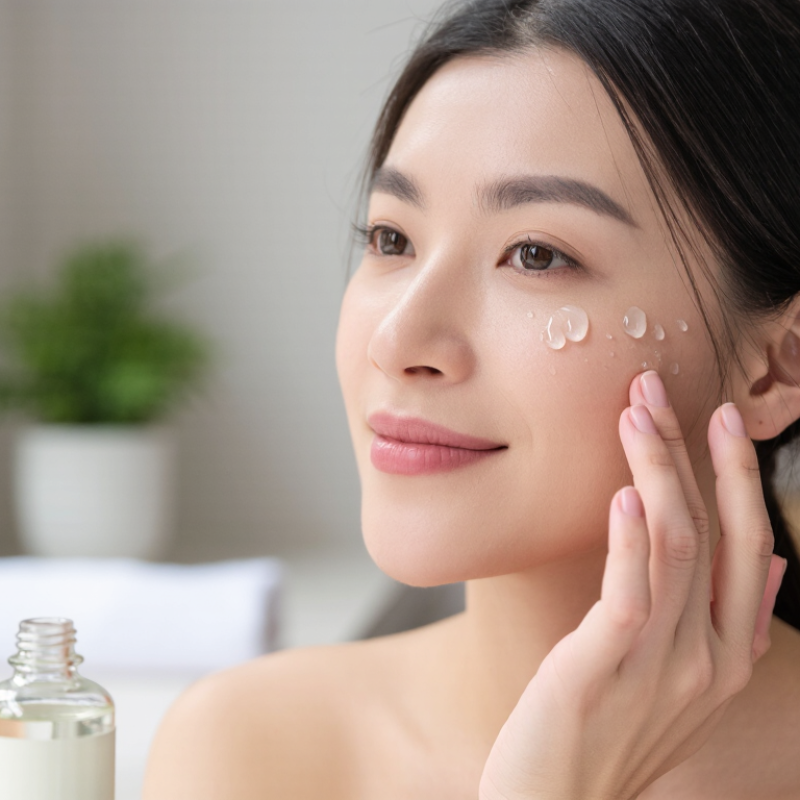
How to Use Facial Serum for Acne Scars in 2026?

Classify Post-Acne Marks Before Selecting an Evidence-Based Serum

Before choosing a facial serum in 2026, identify what remains after acne. Flat brown or gray patches usually indicate post-inflammatory hyperpigmentation (PIH). Pink or red marks suggest post-inflammatory erythema (PIE). They are not the same problem. A shallow dip or sharp edge is an atrophic scar, not simply discoloration. Firm, raised tissue may be hypertrophic scarring or a keloid. It needs professional assessment.

For PIH, evidence supports consistent sunscreen and carefully introduced ingredients such as azelaic acid, retinoids, or vitamin C. Sunscreen is not a serum, but it protects progress from ultraviolet exposure. For PIE, patience matters. Redness can fade slowly, while irritating products may prolong it. A serum cannot rebuild a deep depression. Procedures may help, but a qualified dermatologist should assess them, especially with darker skin tones or persistent inflammation.

Apply one active serum to clean, dry skin, two or three nights weekly. Use a thin layer, then moisturize. Patch-test first. Stop if burning, swelling, or a worsening rash appears. Avoid retinoids during pregnancy unless a clinician advises otherwise. Do not layer several strong actives immediately. That approach sounds efficient, yet often backfires. Acne still present? Control new breakouts before judging scar treatment. Classification is imperfect; lighting and skin tone can mislead. Photograph the same cheek monthly, not daily. Change is slow.

How to Use Facial Serum for Acne Scars in 2026?

Classify Post-Acne Marks Before Selecting an Evidence-Based Serum

Post-acne marks are not all the same. Brown or gray marks are usually post-inflammatory hyperpigmentation (PIH), while red or pink marks are post-inflammatory erythema (PIE). Depressed or raised scars involve changes in skin texture and generally require professional procedures rather than serum alone.

The chart compares representative topical strengths commonly studied or used in evidence-based dermatology: azelaic acid for discoloration and acne-related inflammation, niacinamide for pigment support and barrier function, vitamin C for antioxidant and pigment support, and adapalene for acne prevention and gradual texture improvement. These percentages are not a direct comparison of treatment effectiveness.

Use sunscreen daily because ultraviolet and visible light exposure can darken post-inflammatory marks. Introduce one active at a time, patch test when appropriate, and seek dermatology advice for persistent, painful, raised, or indented scars. Reference: American Academy of Dermatology Association; DermNet NZ; peer-reviewed dermatology literature on topical azelaic acid, niacinamide, vitamin C, and retinoids.

Cleanse Gently, Then Patch-Test Actives for 24–48 Hours

How to Use Facial Serum for Acne Scars in 2026?

Acne affects up to 50 million Americans each year, according to the American Academy of Dermatology. Freshly cleansed skin is not a clean slate for aggressive treatment. Rinse with lukewarm water, use a fragrance-free cleanser, and pat dry with a soft towel. Avoid scrubbing. It can worsen redness and post-inflammatory marks, especially after active breakouts. Wait a few minutes before applying serum. Damp skin may increase stinging.

Patch-test one active for 24–48 hours before applying it widely. Place a small amount behind the ear or along the jawline. Watch for burning, swelling, itching, or a persistent rash. The U.S. Food and Drug Administration notes that cosmetic ingredients can trigger allergic reactions, even after previous use.

Start slowly. Use the serum every other night, not several actives together. Ingredients such as retinoids, azelaic acid, or vitamin C may support uneven tone, but depressed scars usually need professional procedures. A serum cannot fill a deep indentation. That part is easy to overpromise.

Tips: Keep the test area unchanged. Do not add exfoliating acids that day. Stop if discomfort continues. Use broad-spectrum sunscreen daily, because ultraviolet exposure can darken lingering marks. AAD acne guidelines support topical retinoids and other evidence-based actives, but individual tolerance varies. My own practical mistake was treating tightness as proof of effectiveness. It was irritation. Slower progress is often safer.

Target Dark Marks with 4–5% Niacinamide or 10–15% Vitamin C

How to Use Facial Serum for Acne Scars in 2026?

Dark marks after acne are often post-inflammatory hyperpigmentation, not true indented scars. A serum can fade color, but it cannot rebuild deep, uneven texture. For visible discoloration, choose 4–5% niacinamide or 10–15% vitamin C. Niacinamide may help reduce excess pigment and support the skin barrier. Vitamin C helps brighten dull areas and protect skin from oxidative stress.

Apply a few drops to clean, dry skin. Use niacinamide morning or evening. Start vitamin C every other morning, especially if your skin feels sensitive. Follow with a plain moisturizer.

During the day, apply broad-spectrum sunscreen generously and reapply outdoors. Without sun protection, dark marks can return or fade slowly.

Patch-test the serum near your jaw for two days. Stop if burning, swelling, or a persistent rash develops. Avoid layering vitamin C with several strong exfoliating acids at first. That approach sounds efficient, but it often causes irritation.

I once used brightening products too frequently and noticed more redness, not faster results.

Give one active ingredient at least eight weeks. Progress may appear as softer brown edges before the mark disappears. If marks worsen, acne continues, or scars feel raised, seek advice from a qualified dermatologist.

Improve Texture with 0.1% Adapalene or 0.5–2% Salicylic Acid

Facial serum can improve uneven texture, but acne scars need realistic expectations. Flat brown or red marks often fade more easily than deep, indented scars. A 0.1% adapalene gel may encourage smoother cell turnover and reduce new breakouts. Apply a pea-sized amount to completely dry skin at night. Use it two or three nights weekly at first. Increase slowly if your skin remains calm. Peeling can happen. Burning should not.

A 0.5–2% salicylic acid serum offers a gentler starting point for clogged pores and rough patches. Apply a thin layer after cleansing, then use a plain moisturizer. Do not begin adapalene and salicylic acid together. That mistake can create irritation that looks worse than the original texture. Daily broad-spectrum sunscreen matters, especially when treating dark marks. Reapply outdoors, even on cloudy days.

Expect gradual changes over eight to twelve weeks, and deeper scars may need professional procedures. Stop if swelling, blistering, or severe pain develops. People with sensitive skin should patch test first. Adapalene is not suitable during pregnancy unless a qualified clinician approves it. Salicylic acid can still irritate overused skin. Keep a simple weekly photo log. Progress is easy to misjudge in a bathroom mirror.

Protect Results Daily with Broad-Spectrum SPF 30+ Sunscreen

When using facial serum for acne scars in 2026, daily sun protection remains essential. Broad-spectrum SPF 30+ sunscreen helps block UVA and UVB rays. These rays can darken post-inflammatory marks and make uneven tone last longer. A serum may support smoother-looking skin, but sunlight can quietly undo that progress. Sunscreen protects results. It does not erase scars overnight.

Apply sunscreen as the final morning skincare step, after your serum and moisturizer. Use about two finger lengths for your face and neck. Put it on 15 minutes before going outdoors. Reapply every two hours outside, especially after sweating or swimming. Dermatology guidance also supports choosing a formula labeled broad-spectrum and suitable for acne-prone skin. Windows do not block all UVA exposure.

At night, cleanse gently and use your serum as directed. Avoid adding several strong products at once. Irritated skin may develop more discoloration. I still sometimes forget reapplication on busy days, which shows how imperfect routines can be. Keep sunscreen near your keys or work bag. Small reminders help. If burning, swelling, or persistent redness appears, stop the product and seek professional medical advice.

FAQS

How should I prepare my skin before using an acne-scar serum?

Cleanse gently with lukewarm water and a fragrance-free cleanser. Pat dry. Do not scrub. Wait a few minutes before applying serum. Damp skin may sting more.

Should I patch-test a facial serum first?

Yes. Apply a small amount behind your ear or along your jawline. Watch the area for 24–48 hours. Stop if burning, swelling, itching, or a lasting rash appears.

Which serum ingredients may help dark acne marks?

Niacinamide at 4–5% may support the skin barrier and reduce excess pigment. Vitamin C at 10–15% may brighten uneven areas. Start with one active ingredient.

Can a serum repair deep, indented acne scars?

No. A serum may improve color and overall appearance. It cannot fill a deep indentation. Professional treatment may be more suitable for depressed scars.

How often should I apply an active serum?

Begin every other night, or every other morning for sensitive skin. Use a few drops on clean, dry skin. Slow progress is safer.

Can I combine several strong skincare ingredients immediately?

It is better to avoid that at first. Do not add multiple exfoliating acids on the same day. Too many actives can cause redness and stinging.

Why is sunscreen important when treating acne marks?

Ultraviolet exposure can darken lingering marks and delay fading. Use broad-spectrum SPF 30 or higher each morning. Apply it after serum and moisturizer.

How much sunscreen should I use?

Use about two finger lengths for your face and neck. Apply it 15 minutes before going outdoors. Reapply every two hours outside, especially after sweating or swimming.

When should I expect visible improvement?

Give one active ingredient at least eight weeks. Edges may look softer before marks disappear. Faster is not always better. I once mistook tightness for effectiveness; it was irritation.

When should I seek professional advice?

Seek qualified dermatology advice if acne continues or scars become raised. Also stop the product after persistent burning, swelling, or redness. Irritation needs attention.

Conclusion

Can facial serum help with acne scars? It can help improve post-acne dark marks and uneven texture, but the right product depends on the type of scar. Flat brown or gray marks may respond to a serum containing 4–5% niacinamide or 10–15% vitamin C, while rough, clogged, or mildly uneven areas may benefit from 0.1% adapalene or 0.5–2% salicylic acid. Deep indentations, raised scars, or persistent redness may require professional assessment rather than serum alone.

Begin with a gentle cleanse and introduce only one active at a time. Patch-test the formula on a small area for 24–48 hours, then apply it consistently as directed, stopping if severe irritation occurs. Daily broad-spectrum SPF 30 or higher is essential because sun exposure can darken post-acne marks and reduce progress. With patience and regular use, a suitable serum can gradually support clearer-looking, more even skin.

Aria

Aria

Aria is a dedicated marketing professional with a deep passion for innovative strategies and a keen understanding of our company's product offerings. With a wealth of experience in the industry, Aria excels at crafting engaging content that highlights the unique features and benefits of our......