Tsuya Beauty
Understanding how often you should use facial serum is crucial for achieving optimal skin health. Dr. Emily Chen, a leading dermatologist, emphasizes, "Consistent use is key to seeing real results." Many people wonder about the ideal frequency of applying facial serums.
Different serums cater to various skin types and concerns. For example, a hydrating serum may benefit from daily use, while an anti-aging formula might only require application a few times a week. Not everyone sees results immediately. It’s essential to give your skin time to respond.
Trial and error play a role in finding your ideal routine. Pay attention to your skin’s reactions. It may require adjusting the frequency based on your skin's condition. Understanding how often should you use facial serum can be a journey, but it’s worth exploring for your skin's health.
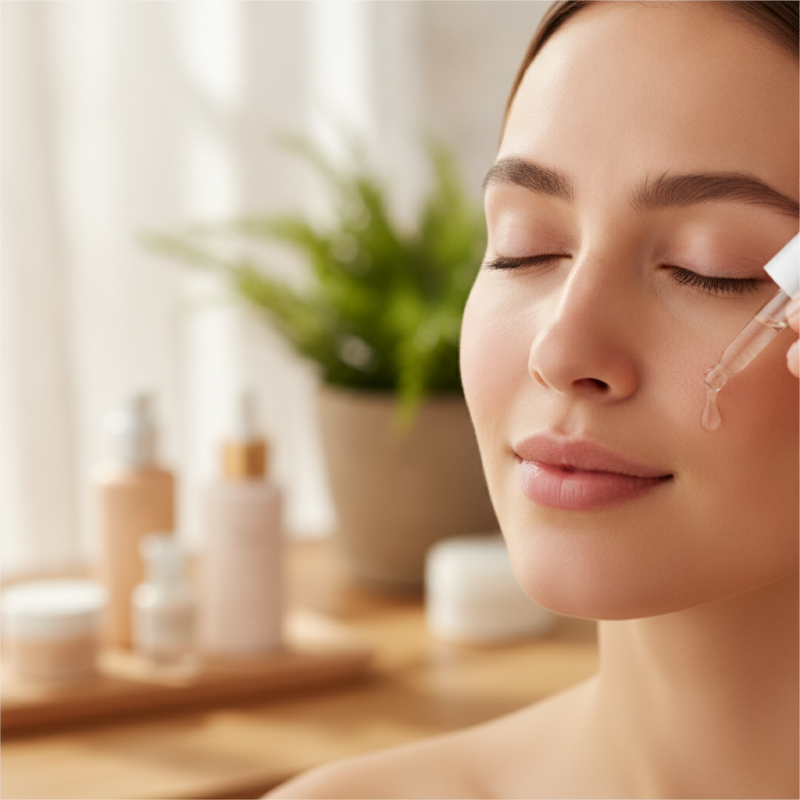
Facial serums contain concentrated active ingredients. These formulations target specific skin concerns like hydration, brightening, and aging. With the right serum, you can enhance your skincare routine significantly. They often include antioxidants, peptides, and vitamins that directly benefit your skin.
Using a facial serum can yield noticeable results when used correctly. However, it’s essential to match a serum to your skin type. Not all serums work for everyone. For example, a person with oily skin may struggle with a heavy, oil-based serum. Experimenting is part of the process.
Applying a serum twice daily often provides the best results. Yet, your skin may need time to adapt. Start with once a day and increase gradually. Sometimes, the skin reacts unpredictably. Monitor how your skin feels after use. Adapting your application routine can lead to the best overall effects.
When considering how often to apply facial serum, several factors come into play. Your skin type is paramount. For oily skin, using serum once daily may suffice. For dry skin, applying it twice could yield better hydration. Combination skin often falls somewhere in the middle. Listen to what your skin tells you.
The climate also influences application frequency. In dry, cold weather, serums can help lock in moisture. A humid environment may require less frequent use. Additionally, the ingredients in the serum matter. Active ingredients like retinol can be potent and may cause irritation. Gradually increasing usage can help your skin adapt.
Skin concerns play a critical role too. If you’re targeting fine lines or hyperpigmentation, consistent application is essential. However, be cautious. Overusing certain serums can lead to sensitivity. Finding the right balance between effectiveness and overdoing it is key. Look for signs of reaction or over-exfoliation. Care is necessary; oily patches or dryness may indicate a need to reassess your routine.
The frequency of using facial serum largely depends on skin types. For oily or acne-prone skin, experts typically recommend applying serums 2-3 times a week. This allows the skin to adjust without excessive oil buildup. A study by the Journal of Clinical and Aesthetic Dermatology shows that overuse can lead to irritation.
Dry or sensitive skin may benefit from daily serum use, ideally in the evening. Hydrating ingredients like hyaluronic acid are crucial for maintaining moisture. However, too much can overwhelm these skin types, leading to breakouts or redness. The American Academy of Dermatology notes that gradual introduction is wise.
Combination skin presents unique challenges. A serum with balancing properties can be applied 3-5 times a week. Listening to your skin is paramount. Pay attention to reactions after application and adjust accordingly. Some may need more time to notice benefits, while others might experience irritation sooner than expected.
When it comes to applying facial serums, timing and technique are vital. Experts recommend using serums twice daily. This frequency allows for maximum absorption and effectiveness. A 2021 survey by The Skin Health Alliance indicated that users report a 30% improvement in skin texture when applying serums consistently.
To apply serums effectively, start with a clean face. Use a gentle cleanser suited to your skin type. After cleansing, apply a pea-sized amount of serum. Gently pat it onto the skin, focusing on areas of concern. Pressing rather than rubbing the serum can promote deeper absorption. According to dermatologists, applying serums with clean hands ensures that no bacteria are introduced to the skin.
The order of product application matters too. Apply serums before creams or oils. This allows the serum’s active ingredients to penetrate more effectively. However, overuse can lead to irritation. Some users report redness or sensitivity when applying too frequently. Paying attention to how your skin reacts is crucial. Don’t hesitate to adjust your routine based on your skin's needs. This reflective approach can enhance your overall skincare journey.
Adjusting your facial serum routine is crucial. Your skin changes with seasons, stress, and age. These factors can affect how your skin absorbs and reacts to products. If you notice dryness or irritation, it may be time for a switch.
Pay attention to your skin’s needs. If your serum no longer seems effective, it’s worth reassessing. A good serum should hydrate, brighten, or firm your skin. Signs like increased redness or unexpected breakouts indicate a change is necessary. Sometimes, your serum might feel heavy or sticky when it used to absorb quickly.
Listen to your skin. It can communicate what it needs. Checking ingredients is essential, too. Maybe your skin has developed a sensitivity to certain components. Don't hesitate to experiment, but do it slowly. Adjusting too quickly can lead to further irritations. Each person’s skin reacts differently. Trust your instincts and make changes based on your observations.
| Skin Type | Recommended Usage Frequency | Signs to Adjust Routine | Best Time to Apply |
|---|---|---|---|
| Oily Skin | Once a day | Excess shine or breakouts | Evening |
| Dry Skin | Twice a day | Tightness or flakiness | Morning and Night |
| Combination Skin | Once a day | Shiny T-zone or dry patches | Evening |
| Sensitive Skin | Every other day | Redness or irritation | Night |
| Mature Skin | Twice a day | Loss of elasticity or fine lines | Morning and Evening |
: Facial serums contain concentrated ingredients that target specific skin concerns like hydration and aging.
Start with once a day. Gradually increase to twice if your skin adapts well over time.
No, not all serums work for everyone. Match the serum with your particular skin type for best results.
If a serum feels heavy or sticky, consider switching to a lighter formula. Your skin may need a different product.
Look for dryness, irritation, or increased breakouts. If the serum stops being effective, reassess your choice.
In dry weather, more frequent application may help. Humid conditions might require less frequent use.
Be cautious with powerful ingredients like retinol. Start slowly to avoid possible irritation.
Yes, skin can react unexpectedly. Monitor how your skin responds and adjust your routine accordingly.
Yes, checking ingredients is important. You might develop a sensitivity to certain components over time.
If irritation occurs, adjust your use or try a different product. Listen to your skin's signals.
When considering "how often should you use facial serum," it's essential to understand the nature of facial serums and their numerous benefits for skin health. The frequency of application largely depends on individual skin types, as factors such as skin sensitivity, concerns, and overall condition play a critical role in determining the ideal routine. Generally, most people can benefit from using serums once or twice daily, but those with specific skin issues may need to adjust this frequency.
To achieve the best results, it is crucial to follow best practices for application, such as applying on clean skin and using the right amount for even distribution. Additionally, being attentive to your skin's response can signal when it's time to modify your serum routine—whether by changing the serum itself or adjusting how often you apply it. Adapting your approach can enhance the overall effectiveness of your skincare regimen.