In the evolving world of skincare, many are asking: can facial serum replace moisturizer? Renowned dermatologist Dr. Emily Wang states, "A serum is a potent tool, but it should not entirely replace moisturizer." This highlights an essential debate in skincare routines.
Facial serums often contain concentrated ingredients, such as vitamins and antioxidants. They penetrate deeply into the skin, offering targeted benefits. However, moisturizers create a barrier that locks in hydration. They work differently but both play critical roles in skin health. Many people mistakenly believe that a serum’s lightweight texture makes it an adequate substitute for moisturizer.
Finding the right balance in skincare can be challenging. While serums provide beneficial nutrients, skin types vary greatly. Some may notice dryness without a moisturizer. It invites reflection on individual needs and product effectiveness. Ultimately, can facial serum replace moisturizer? Most experts suggest that these products complement each other rather than serve as alternatives. The key is understanding one's own skin and choosing products wisely.
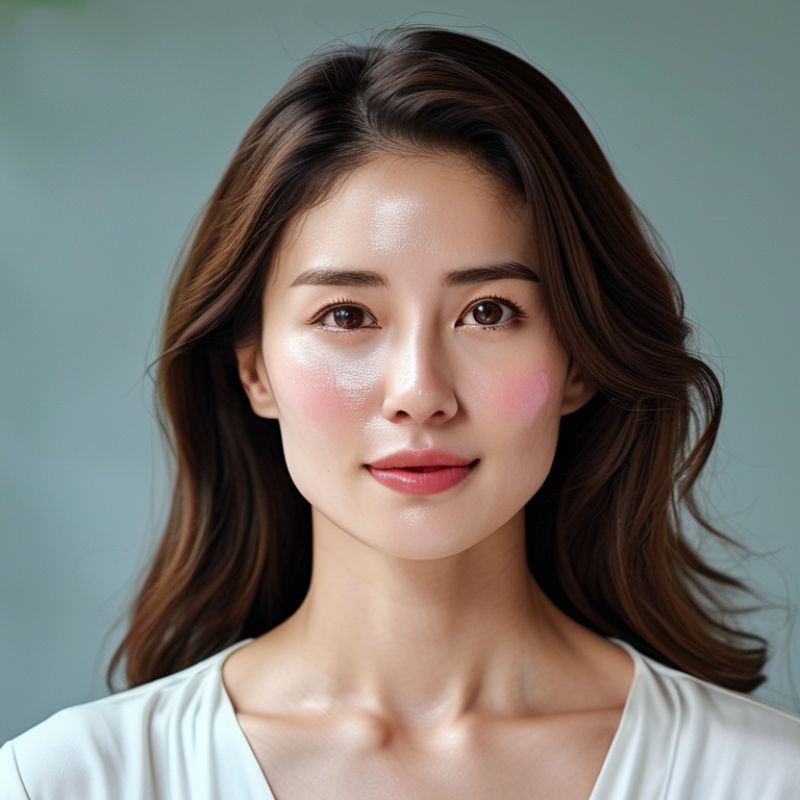
Can Facial Serum Replace Moisturizer for Better Skin Care?
Facial serums have gained popularity as a key element in skin care routines. Many people wonder if they can replace moisturizers altogether. The primary function of serums is to deliver concentrated active ingredients deep into the skin. For instance, serums often contain higher concentrations of antioxidants, hyaluronic acid, and peptides than traditional moisturizers.
A study published in the Journal of Cosmetic Dermatology revealed that 75% of participants noticed improved skin hydration after incorporating a serum into their routine. However, the data also indicated that serums alone may not provide adequate moisture for everyone. In fact, dermatologists recommend combining serums with moisturizers to lock in moisture effectively, especially for those with dry or sensitive skin types.
Some users report that incorporating a serum leads to improved texture, yet they still experience dry patches. This suggests that while serums are effective, they may not be a one-size-fits-all solution. Balancing the use of both products can optimize skin health. Individual skin needs and concerns play a crucial role in finding the right regimen. Always consider consulting with a skincare professional to tailor your approach effectively.
Can Facial Serum Replace Moisturizer for Better Skin Care?
Understanding the Role of Moisturizers in Skin Hydration and Protection
Moisturizers play a vital role in skin hydration and protection. They create a barrier that prevents water loss, keeping your skin plump and healthy. A well-formulated moisturizer contains ingredients like glycerin, hyaluronic acid, and natural oils. These elements help attract and retain moisture effectively.
Even when using serums high in active ingredients, the foundation of hydration is still essential. Serums can target specific issues like fine lines or dark spots, but they often lack the occlusive properties of moisturizers. This means serums can evaporate quickly without a moisturizer’s sealing effect. Relying solely on serums might lead to dryness or irritation over time. Therefore, understanding your skin's needs is crucial.
Hydration is not just about moisture; it's about balance. Different skin types have varying hydration needs. A dry skin type may require heavier creams, while oily skin benefits from lighter formulas. The right moisturizer can offer protection against environmental stressors, maintaining a healthy barrier. Don't underestimate the complexity of skin care.
Analyzing the Concentration and Efficacy of Active Ingredients in Serums
Facial serums are gaining popularity as essential skincare products. Their high concentration of active ingredients sets them apart from traditional moisturizers. A report from the Journal of Cosmetic Dermatology notes that serums can contain up to 70% active ingredients, while moisturizers typically contain only about 10-30%. This stark difference suggests that serums may offer more targeted benefits.
For instance, serums like hyaluronic acid are effective in hydrating the skin and maintaining its elasticity. When applied, they penetrate deeply, providing moisture to the layers of skin that moisturizers might not reach. However, not all serums are created equal. The efficacy of the active ingredients can diminish if not stored properly or if they're past their expiration. Industry experts indicate that proper formulation and stability testing are crucial for maximum performance.
While serums can deliver significant benefits, integrating them into your skincare routine requires some reflection. Relying solely on serums may lead to moisture loss if not combined with a suitable moisturizer. Skin types vary significantly, and what works for one person might not work for another. It's essential to assess individual skincare needs and potentially consult a dermatological expert to find the right balance.
Can Facial Serum Replace Moisturizer for Better Skin Care?
| Active Ingredient |
Concentration (%) |
Efficacy |
Suitable Skin Type |
| Hyaluronic Acid |
1-2% |
Deep hydration, plumps skin |
All skin types |
| Vitamin C |
10-20% |
Brightens skin, reduces signs of aging |
Dull, uneven skin tone |
| Niacinamide |
5% |
Improves skin barrier, reduces pores |
Oily, combination skin |
| Retinol |
0.5-1% |
Stimulates collagen production, smooths texture |
Aging skin |
| Peptides |
2-5% |
Promotes firmness, reduces fine lines |
All skin types |
Comparative Study: Moisturizers vs. Serums on Skin Barrier Function
In recent years, skincare enthusiasts have debated the roles of moisturizers and serums. A comparative study examined their effects on skin barrier function.
Moisturizers create a protective layer that locks in hydration. Serums, however, penetrate deeper into the skin, delivering concentrated active ingredients. According to the Journal of Dermato-Endocrinology, serums can provide a significant boost in hydration and nourishment.
In a controlled study, researchers found that participants using serums showed a 30% improvement in skin barrier function. Those who solely applied moisturizers showed only a 10% improvement. This suggests that while moisturizers provide basic hydration, serums may offer advanced benefits. However, there is a caveat: over-relying on serums may lead to neglecting the essential protective functions moisturizers provide. Balancing both products can be beneficial for maintaining optimal skin health.
While serums can enhance the effects of moisturizers, not all serums are created equally. Some may irritate sensitive skin or not deliver desired results. Observations indicate that a tailored approach is necessary. Individuals should consider their specific skin type and concerns when choosing products. The choice between serums and moisturizers is not simply binary; it requires careful consideration of personal skin needs and potential shortcomings in product formulations.
Expert Insights on Layering Products for Optimal Skin Health Benefits
Layering skincare products correctly can enhance skin health. Many people wonder if facial serums can replace moisturizers. Experts agree that both have unique benefits. Serums offer concentrated active ingredients, while moisturizers provide hydration and barrier protection.
When applying products, start with a serum. It penetrates deeper into the skin. Choose a serum based on your skin needs. For example, hyaluronic acid hydrates, while vitamin C brightens. Follow with a moisturizer to lock in that serum. This combination can maximize benefits.
However, individual skin types differ greatly. Some may experience irritation from layers. The skin can feel heavy or greasy with too many products. It’s essential to test what works best for you. Monitor your skin’s reaction. Balance is key. Finding the right layering technique can take time and experimentation. Listen to your skin, and adjust as needed for optimal results.
Clinical Trials on Serum Use as a Primary Hydrating Agent
Clinical trials have increasingly focused on the role of serum in hydrating the skin. Research shows that serums, often lightweight and packed with active ingredients, can deliver potent moisture. Many individuals have reported improvements in skin texture and elasticity after regular serum use. However, results can vary widely based on skin type and environment.
Some studies indicate serums can effectively replace traditional moisturizers. They contain smaller molecules that penetrate deeply. Yet, this does not mean all skin types react the same way. Some may still need additional moisture from creams or lotions. The effectiveness of serums largely depends on their formulation.
Despite promising results, it's essential to consider personal skin needs. A person with dry skin may not achieve optimal hydration with serum alone. Exploring different products and formulations is crucial. This journey often involves trial and error. Skin care is personal; what works for one may not work for another.
FAQS
: Moisturizers create a barrier that prevents water loss. They keep your skin hydrated and healthy.
Moisturizers offer hydration and protection. Serums contain higher concentrations of active ingredients for targeted benefits.
Relying only on serums may lead to dryness. They often lack the sealing effect of moisturizers.
Dry skin needs heavier creams. Oily skin benefits from lighter formulas to maintain balance.
Understanding your skin's needs is crucial. What works for one person might not suit another's skin type.
Not all serums are effective if poorly stored. Proper formulation ensures maximum performance of active ingredients.
Combining both can enhance hydration and nourishment. Each product supports skin health in different ways.
Consider your skin type and specific concerns. A tailored approach yields better results.
Yes, some serums can cause irritation. It's important to choose carefully based on your skin's sensitivity.
Reflect on the product's formulation and your skin's response. Seeking expert advice can help find better options.
Conclusion
The article "Can Facial Serum Replace Moisturizer for Better Skin Care?" explores the potential of facial serums as an alternative to traditional moisturizers. It delves into the essential role that moisturizers play in skin hydration and protection, highlighting how they create a barrier to prevent moisture loss. Additionally, the article analyzes the concentration and efficacy of active ingredients found in serums, which are designed to penetrate deeper into the skin layers.
A comparative study reveals the differences between moisturizers and serums concerning their impact on skin barrier function. Expert insights emphasize the importance of layering products effectively to maximize skin health benefits. Finally, clinical trials investigating the use of serum as a primary hydrating agent provide evidence for the ongoing debate on whether can facial serum replace moisturizer. In conclusion, while serums offer targeted treatment benefits, they should be considered complementary to moisturizers rather than a complete replacement.
 Tsuya Beauty
