Tsuya Beauty
The efficacy of facial serums is a common question among skincare enthusiasts. Many wonder, "how long does facial serum take to work?" Understanding this timeline is key for optimal results. Industry reports indicate that visible changes can often appear within four to six weeks of consistent use. However, results can vary based on individual skin types and specific serum formulations.
In a recent study, over 70% of users reported noticeable improvement in skin texture after just one month. Factors like ingredients, concentration, and skin conditions play a significant role in the effectiveness of serums. For instance, serums with hyaluronic acid hydrate the skin rapidly, while vitamin C serums may take longer to show a brightening effect.
Despite these figures, some users may not see immediate results. This can lead to frustrations and questioning the product’s reliability. It's essential to recognize that patience is crucial in the skincare journey. Each individual's skin responds differently, and sometimes, adjustments are necessary for achieving desired outcomes.
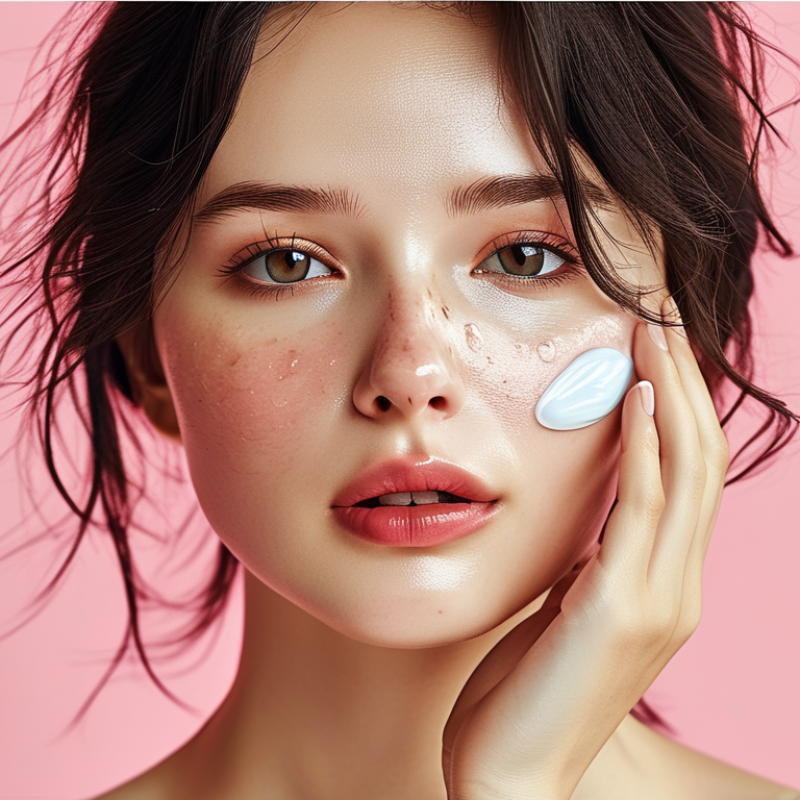
The effectiveness of facial serums can significantly vary based on several factors. The concentration of active ingredients is crucial. A study indicated that serums with 10-20% vitamin C showed better results in treating skin issues than those with lower concentrations. Additionally, the formulation plays a key role. Serums that incorporate stable ingredients tend to perform better over time. This means that while a high-quality serum can provide visible results, it must also be created with careful consideration of ingredient stability.
Skin type and condition are also important. For instance, oily skin may absorb products differently than dry skin. Research from dermatology experts highlights that personalized skincare, which considers these unique conditions, often delivers superior outcomes. Moreover, application methods affect how well a serum penetrates the skin. Proper application can increase absorption by up to 30%. However, not everyone applies products correctly, which may lead to less optimal results. Clients often overlook these details, leading to inconsistent effects.
This bar chart illustrates the average time it takes for facial serums to show noticeable results based on various factors including skin type and serum ingredients.
When using facial serums, many users wonder about the timeline for visible results. Generally, it takes around four to six weeks for noticeable changes to occur. A study conducted by the Journal of Cosmetic Dermatology emphasizes that consistent use is crucial to achieve optimal effects. Patients reported improved skin texture and tone after this period, highlighting the importance of patience.
Within the first two weeks of application, some may notice initial hydration or a slight glow. This early response varies based on skin type and product composition. A report from the American Academy of Dermatology suggests that serums formulated with hyaluronic acid show immediate hydration benefits. However, deeper issues such as fine lines and uneven pigmentation often take longer to address.
By eight weeks, the improvements can become more pronounced. Users typically experience smoother, more even skin. Some might still find that results aren’t as dramatic as expected. Factors such as lifestyle, diet, and even sleep quality can impact serum effectiveness. Overall, while serums offer potential benefits, results may vary. Observing your skin’s unique response is vital, and adjusting your routine accordingly might be necessary.
Facial serums have become a staple in skincare routines. Understanding the key ingredients can help maximize their effectiveness. Common ingredients include hyaluronic acid, vitamin C, and peptides. Each ingredient has a unique speed of action.
Hyaluronic acid offers hydration quickly. Within hours, skin may feel plumper. It works by attracting moisture and locking it in. Vitamin C, on the other hand, needs time. Initial results might take days. This powerful antioxidant brightens skin and reduces pigmentation over weeks. Peptides stimulate collagen production, fostering long-term skin health. They can take several weeks to show visible results.
Many users expect immediate gratification. However, patience is essential. Some serums may not deliver instant changes. Marks may remain even after consistent use. In such cases, reflection on product selection is vital. Not every serum suits every skin type. Finding the right formulation requires testing and time.
| Key Ingredient | Time to Notice Results | Benefits |
|---|---|---|
| Vitamin C | 1-4 weeks | Brightens skin, reduces dark spots, and improves overall skin tone. |
| Hyaluronic Acid | Instant results to 1 week | Deep hydration, plumps skin, and smooths fine lines. |
| Retinol | 4-12 weeks | Enhances cell turnover, reduces wrinkles, and improves skin texture. |
| Peptides | 4-8 weeks | Boosts collagen production, firms skin, and improves elasticity. |
| Niacinamide | 2-8 weeks | Reduces redness, improves skin barrier function, and minimizes pores. |
When it comes to facial serums, response times vary widely based on skin concerns. For fine lines, many users notice subtle improvements within four weeks. Regular application can enhance collagen production, resulting in smoother skin over time. However, results can't be guaranteed for everyone. Individual skin type and environmental factors play a crucial role.
Acne and blemishes present another challenge. Users often report a reduction in breakouts within two to three weeks. Ingredients may target bacteria and unclog pores effectively. Yet, some individuals might experience initial irritation. It is important to be patient and allow the skin to adjust.
For hyperpigmentation, visible results may take up to three months. Serums may gradually lighten dark spots by reducing melanin production. Some users feel discouraged without immediate effects, leading to premature discontinuation. Embracing the process is vital for achieving optimal results. Take time to find what truly works for your skin, even if it requires trial and error.
When using facial serums, timing and application techniques are crucial. Studies indicate that most users see noticeable changes within four to six weeks. However, optimal results depend on user commitment and technique. Applying serums on clean, damp skin enhances absorption by nearly 40%, according to skin experts. Incorporating serums into a routine is beneficial. Consistent use maximizes the effectiveness of active ingredients.
Best practices also include layering products correctly. Lightweight serums should be applied before heavier creams. This layering allows serums to penetrate deeper into the skin. Many people overlook the importance of gentle massage during application. This technique can enrich blood flow, potentially increasing serum efficacy by about 20%.
It's essential to note that not all serums work for every skin type. Some may irritate sensitive skin, leading to red flags. Tracking skin reactions over time is vital. Adjusting the frequency or reducing usage can help prevent adverse reactions. Ultimately, patience and observation are key elements for achieving the best results with facial serums.
: The concentration of active ingredients is crucial. Formulation and stability also play important roles.
Serums with 10-20% vitamin C often show better results than those with lower concentrations.
Yes, oily skin and dry skin absorb products differently, influencing effectiveness.
Proper application can increase absorption by up to 30%, yet many apply incorrectly.
Users may notice improvements within four weeks with consistent use.
Users often see reduced breakouts within two to three weeks, though irritation may occur.
Visible results for dark spots may take up to three months; patience is key.
Some might feel discouraged without immediate effects and give up too soon.
Unique skin conditions require personalized skincare for superior outcomes.
Embrace trial and error to find what truly works for your skin.
Facial serums are potent skincare solutions, but many users wonder, "how long does facial serum take to work?" The effectiveness of these products can vary based on multiple factors, including skin type, the specific concerns being addressed, and the key ingredients used in the formulation. Typically, users may begin to see visible results within a few weeks, but this timeline can differ significantly depending on individual circumstances and the nature of the serum's active components.
Common skin concerns such as dryness, aging, or acne can show varying response times to treatment. For instance, ingredients like hyaluronic acid may provide immediate hydration, while retinol may take longer for noticeable skin texture improvements. To maximize the effectiveness of facial serums, adhering to best practices—like consistent application and layering with the appropriate skincare routines—can enhance results. Understanding the expected timeline and factors influencing these outcomes can help users set realistic expectations for their skincare journey.
