Facial serums have gained significant popularity in the skincare industry, often touted as miracle products. However, the question arises: can facial serum cause breakouts? According to a survey by the American Academy of Dermatology, nearly 50% of users experience unwanted breakouts upon trying new products. This statistic highlights the importance of understanding the ingredients we apply to our skin.
Dr. Emily Becker, a renowned dermatologist, states, "Many serums contain active ingredients that can trigger reactions in sensitive skin." This perspective sheds light on the complexity of individual skin types. For example, oils, certain acids, and synthetic fragrances commonly found in serums can lead to clogged pores. These reactions may not be immediate, leading to frustration and confusion for users.
While serums can offer hydration and treatment benefits, it's critical to choose products wisely. Patch testing is essential before full application. Moreover, continuing to use a product that causes irritation can exacerbate skin issues. Hence, the need for informed choices remains imperative. Understanding the potential for breakouts is key to a successful skincare routine.
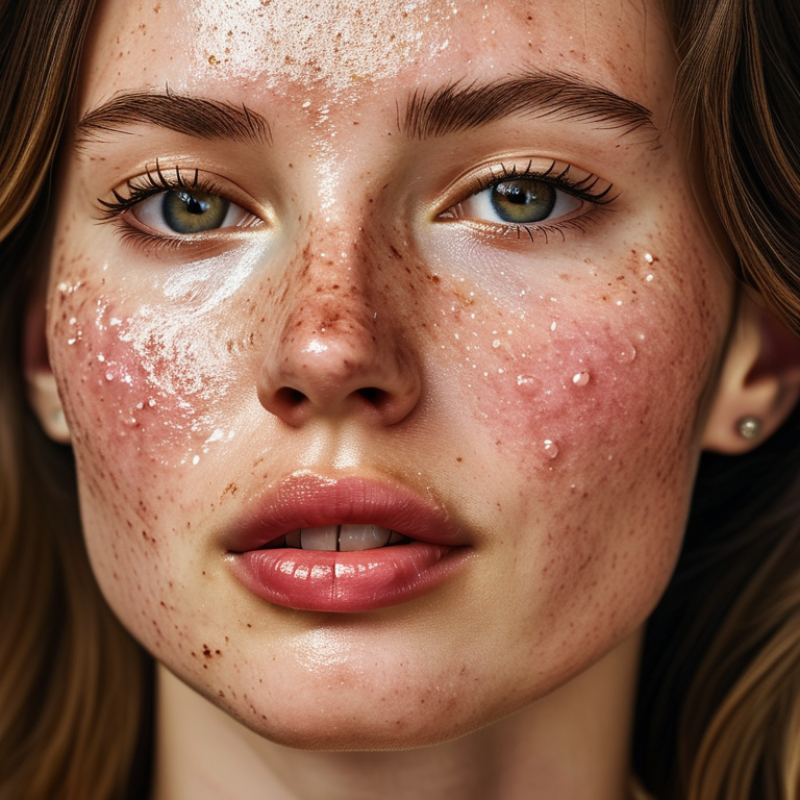
Understanding Facial Serums and Their Ingredients
Facial serums are popular in skincare routines. They often contain concentrated active ingredients aimed at addressing specific skin concerns. Common ingredients include hyaluronic acid, vitamin C, and peptides. Each ingredient has its function, like hydration or brightening. Understanding these components is crucial for informed skincare choices.
However, not all skin types react the same way. Some people may experience breakouts from certain ingredients. For example, heavy oils can clog pores. Ingredients like alcohol can irritate sensitive skin. It's essential to choose serums that cater to your skin type.
Patch testing is a wise practice before applying a new product.
Reading labels aids in avoiding potential triggers. Look for non-comedogenic formulas if you’re acne-prone. Additionally, keeping a skincare journal may reveal patterns in your skin’s reactions. Reflection on what works can refine your routine over time.
Embrace the journey of discovering what truly benefits your skin.
Common Causes of Breakouts from Facial Serums
Facial serums can sometimes lead to breakouts. Understanding their common causes is essential for skin care. Clogged pores are a primary reason. Some serums contain heavy oils or thick ingredients. These can obstruct the skin's natural breathing process. It’s crucial to select light, non-comedogenic formulas.
Another factor is skin sensitivity. Many serums have powerful active ingredients. These can irritate the skin, especially for those with sensitive types. Redness and inflammation may follow. Always patch-test new products to gauge their impact. Also, consider the number of products used in your routine. Layering too many can overwhelm the skin and trigger breakouts.
Lastly, improper application can contribute. Applying serum on dirty skin may transfer impurities. Always cleanse thoroughly before application. Reflect on your skincare routine regularly. This awareness can help identify problematic products or steps. Maintain a balance to keep your skin clear and radiant.
How to Choose the Right Facial Serum for Your Skin Type
Choosing the right facial serum is crucial for maintaining clear skin. Certain ingredients may cause irritation or breakouts if not chosen wisely. It's essential to know your skin type before selecting a serum. For oily skin, lightweight, non-comedogenic formulas work best. Ingredients like niacinamide and salicylic acid help control oil and prevent breakouts.
Dry skin types benefit from serums rich in hydrating ingredients. Look for hyaluronic acid or glycerin to nourish and moisturize without clogging pores. Sensitive skin requires gentle formulations. Companies often provide calming ingredients like chamomile or green tea. Always conduct a patch test before applying new products, regardless of your skin type.
Consider seeking advice from skincare professionals. Their expertise can guide you towards suitable options, saving time and money. Ultimately, the perfect serum is one that enhances your natural glow, not one that leads to frustration or disappointment. Always listen to your skin’s needs and adjust your routine accordingly.
Preventive Measures to Avoid Breakouts When Using Serums
Using facial serums can indeed lead to breakouts for some individuals. This occurs when the serum contains heavy oils or comedogenic ingredients. It's essential to choose lightweight formulas that won’t clog pores. Look for serums labeled "non-comedogenic." These products are designed to minimize potential breakouts and provide hydration without overwhelming your skin.
Proper application techniques also play a crucial role. Cleanse and tone your face before application. Use a small amount of serum, typically a pea-sized portion. Gently press the serum into your skin instead of rubbing it. This method ensures better absorption and reduces stress on your skin. Additionally, always patch test new serums on a discreet area before applying them to your entire face. This practice can help identify any adverse reactions early.
Monitoring how your skin reacts is important. If you notice increased breakouts, reassess the ingredients. Consider simplifying your skincare routine. Overloading your regimen can lead to irritation. Be patient, as it may take time to find the right product that works for you without causing breakouts.
Can Facial Serum Cause Breakouts and How to Avoid Them? - Preventive Measures to Avoid Breakouts When Using Serums
| Preventive Measure |
Description |
Effectiveness |
| Patch Testing |
Apply a small amount of serum on a discreet area to check for reactions. |
High |
| Choose Non-Comedogenic Products |
Select serums labeled as non-comedogenic to reduce breakouts. |
High |
| Routine Skin Care |
Maintain a regular skincare routine that includes cleansing and moisturizing. |
Moderate |
| Avoid Overuse |
Limit the use of serums to the recommended frequency to avoid irritation. |
Moderate |
| Hydration |
Ensure your skin is well hydrated to maintain barrier function. |
High |
| Consult with a Dermatologist |
Seek professional advice to choose appropriate products for your skin type. |
High |
When to Seek Professional Help for Persistent Breakouts
Breakouts from facial serums can be frustrating. Many individuals notice bumps and irritation after using new products. If persistent breakouts occur, it may be time to consult a dermatologist. According to the American Academy of Dermatology, around 50 million Americans experience acne each year. This widespread issue underscores the importance of seeking expert help.
Persistent breakouts could signal underlying skin conditions. For instance, hormonal imbalances can lead to acne that doesn’t respond to over-the-counter products. The Journal of Clinical and Aesthetic Dermatology mentions that some hormonal treatments may be necessary in such cases. Consulting a professional can provide personalized solutions. They might suggest changing your routine or using prescription treatments tailored to your needs.
Understanding when to seek help is vital. If you notice persistent breakouts for over a month, do not hesitate to consult a professional. Delaying treatment can lead to increased skin damage and scarring. The right guidance can create a clearer path to beautiful skin, helping you avoid the pitfalls of trial and error. Seek help sooner to find the best solutions for your unique skin challenges.
Can Facial Serum Cause Breakouts?
This chart shows the percentage of users experiencing breakouts after using facial serums across different age groups. It appears that younger users (ages 18-24) have a higher percentage of breakouts, potentially indicating a sensitivity to certain ingredients. Understanding these trends can help tailor skincare choices and mitigate breakouts.
Conclusion
Facial serums are concentrated treatments packed with beneficial ingredients designed to target specific skin concerns. However, can facial serum cause breakouts? Yes, certain ingredients in serums, such as heavy oils, fragrances, or irritants, can trigger acne or exacerbate existing skin issues. Understanding your skin type and the components of the serum is crucial in avoiding these reactions.
To choose the right serum, look for formulations tailored to your skin concerns, such as non-comedogenic options for oily skin or calming ingredients for sensitive types. Preventive measures include patch testing new serums and gradually incorporating them into your routine. If breakouts persist despite these precautions, it may be necessary to seek professional help to identify underlying issues and receive appropriate treatment.
 Tsuya Beauty
