Tsuya Beauty
In recent years, the skincare market has seen a significant rise in the popularity of facial serums. According to a report by Grand View Research, the global serum market is projected to reach $4.2 billion by 2025. This growth reflects a growing awareness of the benefits of using facial serums. Many people ask, "what does facial serum do for your skin?"
Facial serums are concentrated formulations designed to deliver high levels of active ingredients. Ingredients like antioxidants, peptides, and hyaluronic acid can address specific skin concerns, such as dryness, aging, and discoloration. A study published in the Journal of Dermatological Science highlighted that serums with vitamin C can improve skin texture and tone.
However, not all serums are created equal. Some may contain irritants that cause reactions. It’s crucial to choose serums based on individual skin types. Everyone’s skin is unique, and a product that works for one may not work for another. Therefore, understanding what facial serum does for your skin and making informed choices is vital in skincare.
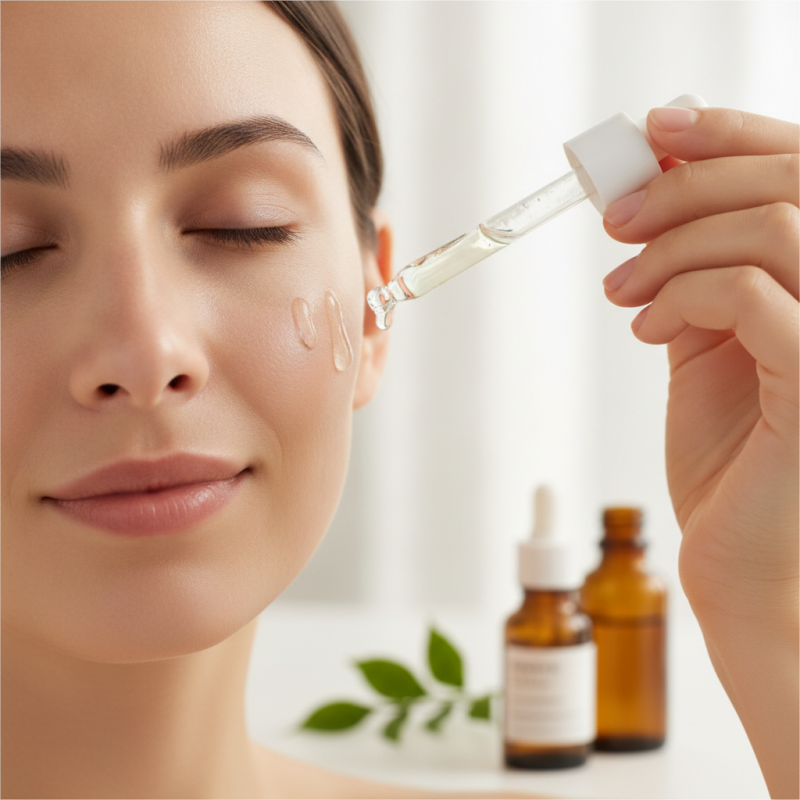
Facial serums are concentrated formulas designed to deliver potent ingredients deep into the skin. They usually have a lightweight consistency, making them easy to layer. The primary purpose of a facial serum is to target specific skin concerns, such as aging, dryness, or acne. This makes them a vital part of any skincare routine.
One of the most compelling aspects of serums is their ability to hydrate and nourish the skin. For example, serums rich in hyaluronic acid help retain moisture, plumping the skin. Meanwhile, those infused with antioxidants fight free radical damage. Understanding your skin’s needs is key when choosing a serum. Reflecting on your past experiences with products can guide you to better choices.
While serums can work wonders, not everyone sees dramatic results. Some may experience irritation or breakouts. This can be disheartening. Remember, skincare is personal. Finding the right product often takes time and experimentation. It’s essential to be patient and closely observe how your skin reacts.
Facial serums are becoming essential in skincare routines. They are lightweight and packed with active ingredients. These serums penetrate deeply into the skin, delivering powerful benefits. Key ingredients can elevate your skin’s appearance and health.
Hyaluronic acid is a popular choice. It holds up to 1,000 times its weight in water. This ingredient hydrates and plumps the skin, making it look youthful. According to a study by the Journal of Clinical and Aesthetic Dermatology, patients noticed significant improvements in skin hydration after just one week of use. Niacinamide is another effective component. Research shows it reduces redness and improves skin texture in just a few weeks. A study in the Journal of Investigative Dermatology highlighted that 4% niacinamide significantly brightens the complexion.
However, not all serums work the same for everyone. Skin types vary widely, and what works for one may not work for another. Some users report irritations after using certain serums. It’s crucial to patch test new products. Consulting with a dermatologist can provide insights tailored to individual needs. This personalized approach ensures that the selected serum truly benefits your skin.
Choosing the right facial serum is crucial for achieving your skin goals. Different skin types need unique ingredients. Oily skin benefits from lightweight serums with salicylic acid. This helps control excess oil and acne. Dry skin, on the other hand, craves hydration. Look for serums with hyaluronic acid or glycerin for that moisture boost.
Don’t overlook your skin's specific concerns. If you struggle with aging, antioxidants like vitamin C can be transformative. These ingredients help reduce fine lines and improve skin texture. But remember, not every serum works for everyone. A patch test is essential, especially if you have sensitive skin. Your skin might react unexpectedly to certain formulas.
Consider your lifestyle as well. Some people might need a serum tailored for environmental stressors. Pollution can wreak havoc on skin. Research different formulations, and be open to trial and error. What works one month may not suit you the next. Regularly reassess your skincare needs and adjust accordingly. Your ideal serum may evolve as your skin changes.
| Skin Type | Key Ingredients | Benefits | Application Tips |
|---|---|---|---|
| Oily Skin | Niacinamide, Salicylic Acid | Controls oil, minimizes pores, reduces acne | Use after cleansing, focus on T-zone |
| Dry Skin | Hyaluronic Acid, Glycerin | Deep hydration, plumps up skin | Apply on damp skin for better absorption |
| Combination Skin | Vitamin C, Peptides | Brightens, firms skin, balances hydration | Use all over, focusing on dry areas |
| Sensitive Skin | Chamomile, Aloe Vera | Soothes irritation, reduces redness | Patch test before full application |
| Mature Skin | Retinol, Coenzyme Q10 | Reduces fine lines, promotes cell turnover | Apply at night, use sunscreen during day |
When applying facial serum, technique matters. Start with a clean face. This step helps serums penetrate the skin effectively. Use gentle, upward motions to apply the serum. Patting is beneficial, as it encourages absorption without pulling at the skin. Focus on areas that show more signs of aging or dryness. These are often the forehead, around the eyes, and the cheeks.
Don’t forget that less is more. A pea-sized amount is usually sufficient. If you find a serum doesn't seem to work, it could be due to incorrect application. Let the serum sit and absorb before layering other products. This waiting period is essential for the serum to reach deeper skin layers. Avoid heavy rubs or excessive pressure. It can cause irritation rather than benefits.
Check your environment, too. High humidity can affect how well products absorb. Experiment with different timings for application. Morning or evening can yield different results. Keeping a skincare journal may help track what works best for you. Adjusting your routine might lead to better outcomes. Reflect on your skin’s response and be open to change.
This chart illustrates the effectiveness of different benefits provided by facial serums, showcasing how hydration, anti-aging, brightening, skin repair, and pore minimizing contribute to overall skin health.
Many people misunderstand facial serums. They often think serums are just fancy moisturizers. While moisture is important, serums pack potent ingredients that target specific skin concerns. These can include dryness, dullness, or fine lines. Choosing the right serum can significantly improve your skin's condition.
When looking for a serum, consider your skin type. Oily skin may benefit from lightweight, oil-free formulas. Dry skin types often need richer, hydrating ingredients. A high-quality serum can enhance your skincare routine, but it’s not a miracle cure. Sometimes, the results take time to show. Regular use is key to seeing benefits.
Here are a few tips for using serums effectively. Apply your serum on clean, damp skin for better absorption. Use just a few drops; a little goes a long way. Layering your serum under moisturizer can lock in benefits. Always patch test a new product to avoid surprises. Remember, your skin is unique. What works for one may not work for another. Keep experimenting until you find your perfect match.
: A facial serum is a concentrated skincare formula that delivers ingredients deep into the skin.
The main purpose is to target specific skin concerns like aging, dryness, or acne effectively.
Identify your skin type and select serums with ingredients suitable for it, like hyaluronic acid for dry skin.
If irritation occurs, stop using it. Reassess your needs and consider patch testing new products carefully.
Yes, serums work best when layered under moisturizer for enhanced absorption and effectiveness.
Consistency is key. Regular use can help show results over time, so incorporate it into your daily routine.
No, a serum is not a moisturizer. It should be used in conjunction with a moisturizer for optimal hydration.
Yes, as your skin changes, reassessing and adjusting your serum choice may be necessary for ongoing effectiveness.
Many think serums are just fancy moisturizers, but they contain powerful ingredients to address specific skin issues.
Patience is crucial. Results may take time, and experimenting is often needed to find what truly suits your skin.
Facial serums are concentrated formulations designed to deliver potent active ingredients deep into the skin, addressing various skin concerns effectively. What does facial serum do for your skin? It enhances hydration, boosts radiance, minimizes fine lines, and tackles issues like acne or hyperpigmentation. Choosing the right serum involves understanding your skin type and the specific benefits you seek, such as antioxidants for aging skin or hydrating agents for dry skin.
To maximize the benefits of facial serums, application techniques are key. Applying the serum to slightly damp skin can improve absorption, and gentle tapping motions can stimulate circulation. However, there are common misconceptions about serums; for instance, some believe they replace moisturizers, while they actually complement them. By debunking these myths and understanding the fundamental aspects of serums, you can effectively incorporate them into your skincare routine for a healthier complexion.