In the world of skincare, understanding "what is the difference between serum and moisturizer" is crucial. According to a report by the American Academy of Dermatology, nearly 70% of people use both products in their daily routine. This highlights the importance of knowing their distinct functions.
Dr. Emily Chang, a renowned dermatologist, once stated, “Serums are potent, targeted treatments, while moisturizers primarily hydrate.” This distinction is vital for anyone aiming for healthy skin. Serums often contain a higher concentration of active ingredients, making them effective for specific concerns like wrinkles or dark spots.
Moisturizers, on the other hand, create a barrier to lock in hydration. They are essential in maintaining skin's moisture balance. However, some may wonder if they really need both. Understanding their roles allows for more effective skincare routines. It's not enough to apply just one. Reflecting on these differences can lead to better choices for skin health.
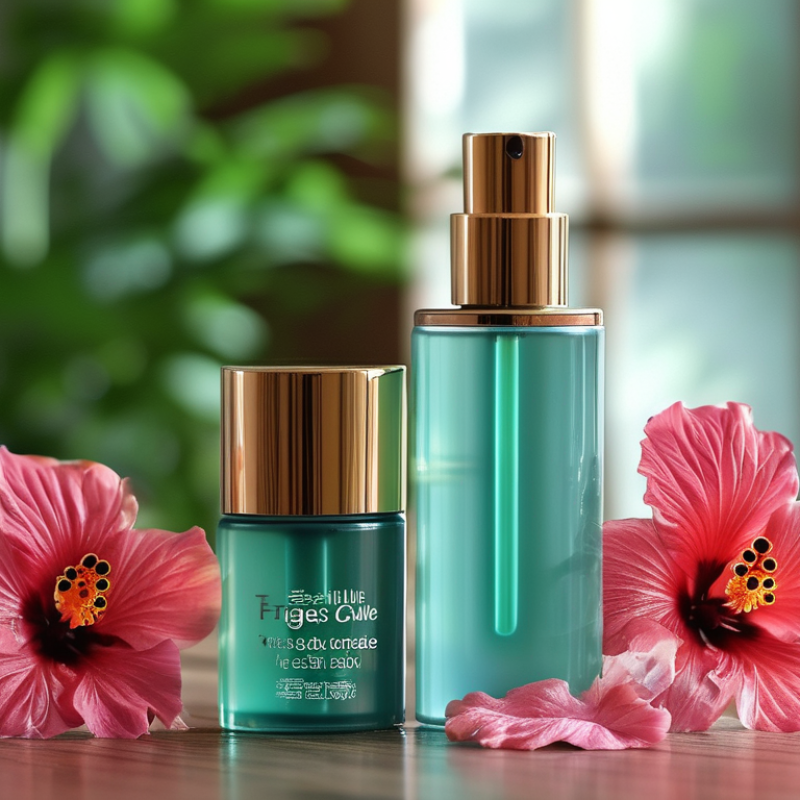
Definition of Serum and Moisturizer
When it comes to skincare, understanding the difference between
serum and
moisturizer is crucial.
A serum is a lightweight formulation designed for targeted treatment.
It contains a higher concentration of active ingredients, such as
vitamins,
antioxidants, and
peptides.
These ingredients penetrate deeply into the skin, delivering potent benefits.
According to a recent report by the Journal of Cosmetic Dermatology,
serums can enhance skin hydration and improve elasticity by up to
30% with consistent use.
Moisturizers, on the other hand, serve to hydrate and lock in moisture on the skin's surface.
They typically contain emollients and occlusives that create a barrier, preventing water loss.
Research from the American Academy of Dermatology reveals that regular use of moisturizers
can help reduce trans-epidermal water loss by approximately 50%.
While both products are essential, they serve different purposes.
Some users may find that serums are not enough without a good moisturizer to seal in the benefits.
It's important to recognize that not all serums or moisturizers are equally effective
for every skin type. A poorly chosen product can lead to irritation or breakouts.
Skin reactions can vary widely and often require trial and error.
Understanding your skin's unique needs is vital in selecting the right items.
Balancing hydration with targeted treatment
can take time and patience. The journey to the perfect skincare routine may not be straightforward,
but it can be rewarding.
Key Ingredients in Serums and Moisturizers
When comparing serums and moisturizers, understanding key ingredients is crucial.
Serums typically contain a higher concentration of active ingredients. They often include antioxidants like vitamin C, peptides, and hyaluronic acid. These elements target specific skin concerns, like aging or pigmentation. The lightweight texture allows for quick absorption, delivering potent benefits directly to the skin.
Moisturizers, on the other hand, focus on hydration and barrier protection. Their formulas often contain emollients and occlusives, such as shea butter or glycerin. These ingredients lock in moisture, preventing dryness. While both products play essential roles, the choice hinges on individual needs. Some may find their skin becoming too oily if they overuse products with heavy emulsifiers. Others might notice that serums alone aren't sufficient for their hydration needs.
It's important to test different combinations. What works well for one person may not be ideal for another. Observing how your skin responds is vital. Finding the right balance requires patience and sometimes a bit of trial and error. Adjusting your routine based on seasonal changes can also be beneficial.
Primary Functions: Serum vs. Moisturizer
When discussing skincare, understanding the differences between serum and moisturizer is essential. Serums typically have a lighter texture and a higher concentration of active ingredients. They target specific skin concerns like fine lines, dark spots, and dehydration. A 2020 report by the Journal of Cosmetic Dermatology found that 67% of users saw improvements in skin texture with regular serum use.
Moisturizers, on the other hand, focus on hydrating the skin and locking in moisture. They form a protective barrier and often contain emollients and humectants. According to a survey by the American Academy of Dermatology, 73% of dermatologists recommend daily moisturizing to maintain skin health, especially for dry skin types.
**Tips:** Choose a serum that aligns with your skin type. If you have oily skin, consider gel-based serums. Those with dry skin might benefit from oil-based formulas. Always apply serum before moisturizer for optimal absorption.
Remember, not every serum works for everyone. Conducting a patch test is crucial to avoid adverse reactions. Finding the right balance between serum and moisturizer can take time, but it’s worth the effort for healthy skin.
What is the Difference Between Serum and Moisturizer? - Primary Functions: Serum vs. Moisturizer
| Feature |
Serum |
Moisturizer |
| Texture |
Lightweight, thin |
Thicker, creamy |
| Primary Function |
Target specific skin issues |
Hydrate and lock in moisture |
| Ingredients |
High concentration of active ingredients |
Emollients, occlusives, humectants |
| Absorption |
Quickly absorbed |
Slower absorption |
| Usage Order |
Apply before moisturizer |
Apply after serum |
| Suitable For |
Specific skin concerns (e.g., pigmentation, wrinkles) |
General hydration and skin barrier protection |
Application Techniques and Usage Guidelines
When applying serum and moisturizer, the sequence matters. Start with a clean face. Apply serum before moisturizer. This allows the active ingredients in the serum to penetrate deeply. Serums often have a thinner consistency, which helps them absorb quickly. Moisturizers, being thicker, lock in hydration.
Tips for serum application: Use a few drops. Gently tap the serum into your skin using your fingertips. This technique promotes better absorption. Allow the serum to sit for a minute before moving on.
For moisturizers, opt for a pea-sized amount. Dot it across your face. Use upward strokes to massage it in. This encourages blood circulation. Don’t forget your neck and décolletage. These areas often show signs of aging and need care too.
Consider your skin type when choosing products. Oily skin may require lightweight options. Those with dry skin often benefit from richer formulas. Keep in mind that combining products can cause irritation. Always patch test new products. Reflect on how your skin reacts over time.
Choosing the Right Product for Your Skin Type
Choosing the right product for your skin type is essential for effective skincare. Serums and moisturizers have distinct roles. Serums are lighter, with a higher concentration of active ingredients. They aim to deeply penetrate the skin, targeting specific concerns like pigmentation or fine lines. A survey by the American Academy of Dermatology indicated that 60% of consumers are unaware of the differences between these products.
Moisturizers, on the other hand, primarily hydrate and protect the skin's barrier. According to industry studies, those with oily skin may benefit from lightweight, oil-free moisturizers combined with a serum. In contrast, sensitive or dry skin types often require thicker creams that lock in moisture. It's critical to evaluate your skin's needs. Many people mistakenly use products that do not align with their skin type, leading to irritation or breakouts.
Understanding your skin type is crucial. A survey showed that 70% of individuals switch products frequently, hoping for immediate results. However, true change takes time and consistency. Seek advice from dermatologists or skincare experts. Tailoring your routine with the right serum and moisturizer can lead to healthier skin. Remember, no single product fits all, and experimentation is part of the journey.
Conclusion
When considering "what is the difference between serum and moisturizer," it’s essential to understand their distinct definitions and functions. Serums are lightweight formulations packed with concentrated active ingredients that target specific skin concerns such as wrinkles or dark spots. In contrast, moisturizers are designed to hydrate and lock in moisture, creating a protective layer on the skin's surface.
The key ingredients in serums often include antioxidants, peptides, and acids, while moisturizers typically contain emollients and humectants. The primary function of a serum is to deliver potent benefits deep into the skin, while moisturizers ensure that the skin remains hydrated and healthy. Applying these products correctly involves using serums first, followed by moisturizers, and selecting the right products based on individual skin types is crucial for optimal results.
 Tsuya Beauty
