Facial serum is no longer a niche product hidden in a bathroom cabinet. Grand View Research’s 2024 facial serum market analysis identifies rising skincare awareness, targeted formulas, and anti-aging demand as major growth drivers. Circana’s 2024 beauty tracking also reports continued strength in skincare spending, especially for products promising visible, routine-based results. Yet popularity does not prove that every serum belongs in every routine.
So, when should i apply facial serum? The practical answer depends on the formula, your skin condition, and the products applied around it. The American Academy of Dermatology recommends cleansing gently before treatment products, then applying moisturizer and sunscreen. That simple order matters. A watery hyaluronic acid serum may feel comfortable on slightly damp skin after cleansing. A vitamin C serum often fits a morning routine before sunscreen. Retinoid-based products usually suit evening use, though sensitive skin may need slower introduction.
Timing changes the experience.
This guide explores seven useful application moments, including morning cleansing, nighttime cleansing, post-shower care, and recovery after exfoliation. These are not rigid rules. Skin can sting, pill, or become tight when too many active ingredients overlap. I have made that mistake myself, assuming more layers meant better results. They did not.
Dermatologists commonly advise patch testing and following the product label. Fragrance, acids, retinoids, and essential oils deserve extra caution. A serum should support the skin barrier, not challenge it every night. Individual results vary, and professional advice remains important when persistent redness or irritation appears.
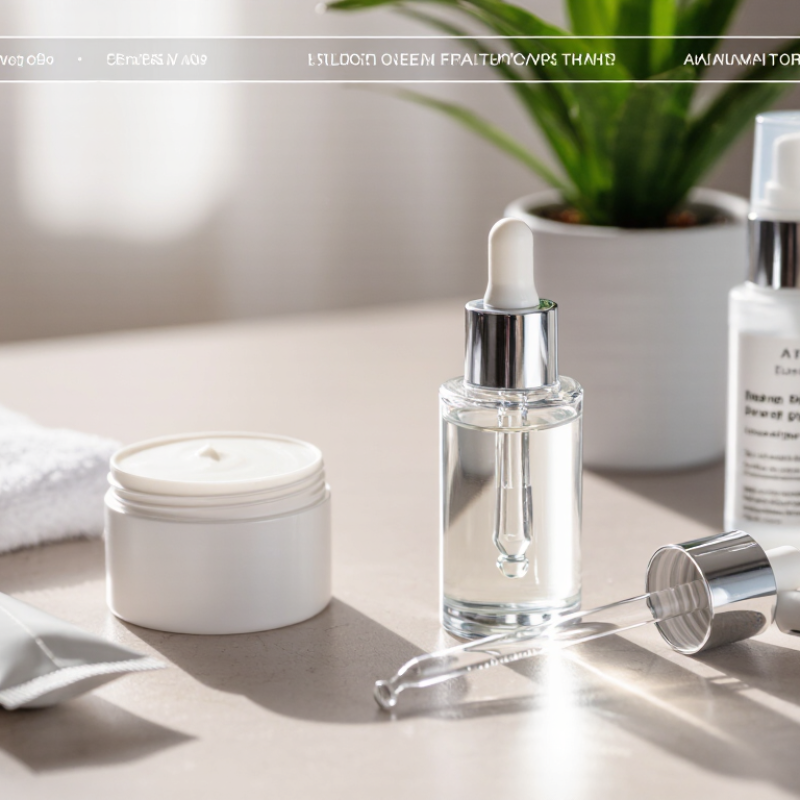
What Facial Serum Does and Why Application Timing Matters
When Should I Apply Facial Serum 7 Best Times?
Facial serum delivers concentrated ingredients, so application timing affects how well your skin tolerates them. Clean skin gives the serum fewer barriers to cross. After washing, pat your face gently, leaving it slightly damp for hydrating formulas. I used to apply serum after moisturizer, but that often felt wasteful and sticky.
Seven useful moments include after your morning cleanse, before moisturizer, before sunscreen, after a shower, after cleansing post-workout, before makeup, and during your evening routine. These are options, not seven daily applications.
A morning serum may support hydration and comfort under sunscreen. An evening serum can work with your skin’s recovery routine, especially when your face feels tight or dull.
Timing still depends on the formula. Exfoliating or retinoid-based serums may cause dryness when combined carelessly. Use them slowly, follow the product directions, and avoid applying several strong formulas together at first. Patch testing is sensible, even when a product seems gentle.
Stop if burning or persistent redness appears. Skin is not perfectly predictable. Humidity, sweat, cleansing habits, and sleep can change how serum feels from one day to the next. A simple routine often reveals more than constant switching.
How to Prepare Your Skin Before Applying Facial Serum
How to Prepare Your Skin Before Applying Facial Serum
Clean skin gives facial serum a better starting point. The American Academy of Dermatology recommends washing your face twice daily and after sweating. Use lukewarm water, clean fingertips, and a mild cleanser. Hot water may leave your cheeks tight and uncomfortable. Pat gently with a soft towel. Do not scrub.
Leave skin slightly damp, not dripping. This small detail matters. A 2023 review in the Journal of Clinical Medicine explains that a healthy skin barrier helps control water loss and reduce irritation. Apply toner only if your skin tolerates it. Avoid alcohol-heavy formulas before serum, especially after shaving or exfoliating. Then place two or three drops in your palm. Press the serum across your forehead, cheeks, and jaw. Rubbing too hard is unnecessary. I sometimes use more product than needed, and that habit is worth questioning.
Tips: Patch-test new serum behind your ear or along your jaw for 24 hours. Apply the thinnest product first. Wait briefly between layers if pilling appears. In the morning, finish with broad-spectrum sunscreen. The American Academy of Dermatology recommends SPF 30 or higher for exposed skin. Dryness, stinging, or persistent redness means your routine may need adjustment. A dermatologist can help when symptoms continue.
When to Use Facial Serum in Your Morning Routine
When Should I Apply Facial Serum 7 Best Times?
The most practical time to use facial serum is morning, after cleansing and before moisturizer. Clean skin removes overnight oil, while slightly damp skin can help spread a lightweight formula evenly. I pat my face dry, leaving a little moisture, then apply two or three drops with clean fingertips.
A morning routine can offer seven useful timing points: after waking, after cleansing, after gentle exfoliation, after shaving, before moisturizer, before sunscreen, or before makeup. However, serum usually belongs after cleansing and before heavier products. Applying it too late may cause pilling, especially under sunscreen or foundation. Press it into the skin instead of rubbing hard. Let it settle for about a minute.
I once used far too much serum and blamed the formula for sticky skin. My mistake. More product does not always mean better results. Choose the order based on texture: watery products usually go first, while oils go later. A broad-spectrum sunscreen should remain the final morning skincare step. If your skin feels tight, itchy, or unusually warm, stop using the product and check the ingredients. Patch testing is sensible, though I sometimes skip it when I am in a hurry. That shortcut is not ideal. People with persistent irritation, acne, or sensitive skin may need advice from a qualified dermatologist.
When Should I Apply Facial Serum? 7 Best Times in Your Morning Routine
| Best Time |
Routine Step |
Why It Works |
How to Apply |
Recommended Follow-Up |
Important Note |
| 1. Immediately After Cleansing |
Step 2 |
Clean skin helps remove excess oil, sweat, and surface residue so the serum can spread evenly. |
Gently pat the face dry, leaving it slightly damp if the formula is designed to support hydration. Apply a small amount with clean fingertips. |
Moisturizer |
Avoid rubbing freshly cleansed skin aggressively, especially if it feels tight or sensitive. |
| 2. After a Hydrating Mist or Toner |
Step 3 |
A lightweight hydrating layer can help water-based serums spread more comfortably across the skin. |
Apply the mist or toner first, then use the serum while the skin is still lightly hydrated. |
Moisturizer to help reduce water loss |
Choose an alcohol-free, non-irritating product if your skin is dry or reactive. |
| 3. Before Moisturizer |
Step 4 |
Serums are generally lighter than creams, so applying them first follows the common thin-to-thick layering approach. |
Spread the serum gently over the face and neck, then allow it to settle before applying moisturizer. |
Moisturizer |
If the product pills, use less, wait briefly between layers, or simplify the routine. |
| 4. Before Sunscreen |
Step 5 |
Morning serums can add targeted skincare benefits, while sunscreen provides the essential daytime protection step. |
Apply serum and moisturizer first. Finish with broad-spectrum sunscreen as the final skincare layer. |
Broad-spectrum sunscreen |
Sunscreen should not be replaced by a serum, even when the serum contains antioxidant ingredients. |
| 5. After Showering |
Flexible |
Applying products soon after bathing can make it easier to maintain skin comfort while the face is clean. |
Use lukewarm rather than hot water, pat dry, and apply the serum after cleansing if needed. |
Moisturizer, then sunscreen in the daytime |
Hot water and long showers may worsen dryness or irritation for some people. |
| 6. After Exercise |
Post-Workout |
Removing sweat, oil, and environmental residue can help prevent buildup before the rest of the routine. |
Rinse or cleanse the face first, then apply serum to clean skin rather than layering it over heavy sweat. |
Moisturizer; sunscreen if returning outdoors |
Do not apply strong active ingredients to visibly irritated or stinging skin immediately after exercise. |
| 7. When Your Skin Is Most Comfortable |
Any Consistent Time |
Regular use that matches the product instructions is often more practical than choosing a complicated schedule. |
Use the serum at the same point in your routine each day, following the label directions and your skin's tolerance. |
Moisturizer; sunscreen during the day |
Patch-test new products and stop use if persistent burning, swelling, or a rash develops. |
Why Nighttime Is an Ideal Period for Serum Application
When Should I Apply Facial Serum? 7 Best Times
Why Nighttime Is an Ideal Period for Serum Application
Nighttime often gives facial serum the calmest setting to work with your routine. After cleansing, your skin has fewer layers competing with the product. There is also less exposure to sunlight, sweat, and outdoor dust. I usually apply serum when my face feels clean but not tight. That small detail matters. Damp skin may spread a hydrating serum more evenly, while completely dry skin can feel better with stronger formulas.
A simple evening routine can take less than five minutes. Wash your face gently, pat it with a clean towel, then use two or three drops of serum. Press it across your cheeks, forehead, and neck. Avoid rubbing aggressively. Follow with a moisturizer to reduce water loss while you sleep. Dermatology guidance generally supports introducing one active product at a time. This makes irritation easier to identify. Patch testing is also sensible, especially for sensitive skin.
Nighttime is not automatically best for every serum. Some formulas are designed for morning use, particularly those paired with daily sunscreen. Others may cause dryness or stinging when used too often. I once assumed more product would bring faster results. It only left my skin uncomfortable. Read the directions, begin slowly, and watch for redness that lasts. A steady routine usually matters more than a perfect application time.
How Skin Type and Ingredients Affect Serum Timing
When Should I Apply Facial Serum 7 Best Times?
How Skin Type and Ingredients Affect Serum Timing
Serum timing depends on your skin, not just the clock. Apply it after cleansing in the morning, when skin is free from oil and dust. A hydrating serum works well on slightly damp skin. Follow with moisturizer, then sunscreen. This order helps reduce water loss and protects sensitive ingredients from daily exposure.
At night, apply serum after cleansing and before moisturizer. This is often the best time for retinoid or exfoliating formulas, because sunlight may increase irritation. You can also use serum after a shower, after gentle shaving, or when dry indoor air makes your skin feel tight. These are seven useful moments: morning cleansing, damp skin, before sunscreen, after showering, after shaving, evening cleansing, and before moisturizer. Not every moment suits every formula.
Oily skin may prefer a light, water-based serum once daily. Dry skin often tolerates a richer formula, especially at night. Sensitive skin needs slower testing, perhaps every other evening. Avoid combining several strong ingredients immediately after exfoliation. Patch testing is sensible, although I admit it is easy to skip when a new product feels exciting. Stop if burning, swelling, or persistent redness appears, and seek professional advice for ongoing reactions. Timing helps, but consistency matters more.
When Should I Apply Facial Serum? 7 Best Times
Serum timing depends on the ingredient, skin sensitivity, and whether the formula increases sun sensitivity. The chart shows the number of commonly suitable daily application windows for each serum type.
Morning: Vitamin C is commonly used in the morning alongside sunscreen. Hydrating ingredients such as hyaluronic acid, niacinamide, and peptides can generally be used in either the morning or evening.
Evening: Retinoids and exfoliating acids such as alpha hydroxy acids and beta hydroxy acids are commonly preferred at night because they may increase irritation or sun sensitivity.
Apply serum after cleansing and before moisturizer. Follow the specific product instructions, introduce active ingredients gradually, and use broad-spectrum sunscreen during the day.
Conclusion
Knowing when should i apply facial serum can help your skincare routine work more effectively. Facial serums contain concentrated ingredients designed to address concerns such as dryness, dullness, uneven tone, or signs of aging. For best results, prepare your skin by cleansing gently and patting it dry, leaving it slightly damp if the product is hydrating. Apply serum before moisturizer so its active ingredients can absorb more easily. In the morning, serum can be used after cleansing and before sunscreen, especially when your routine focuses on hydration or antioxidant support.
Nighttime is also an ideal period because the skin rests and renews itself while you sleep. Evening application is often suitable for richer formulas or ingredients that may increase sensitivity to sunlight. However, timing should also depend on your skin type and the serum’s ingredients. Oily skin may prefer lightweight formulas, while dry skin may benefit from more nourishing layers. Always introduce new products gradually and follow with moisturizer and daytime sun protection when needed.
 Tsuya Beauty
