Tsuya Beauty
Dark spots can be a significant concern for many individuals. According to a report from the American Academy of Dermatology, nearly 85% of adults experience some form of skin discoloration in their lifetime. With an increasing number of products in the market, many consumers are asking, "what facial serum helps with dark spots?" This question highlights the growing interest in effective skincare solutions.
Dr. Sarah Lee, a renowned dermatologist, states, “The right facial serums can significantly reduce pigmentation over time.” This emphasizes the importance of choosing the right ingredients. Ingredients like vitamin C, niacinamide, and retinoids are known for their efficacy in tackling dark spots. Consumers should be cautious, though, as not every serum guarantees results for everyone.
While professional treatments exist, serums offer an accessible option for daily skincare. However, results may vary based on skin type and severity of discoloration. Exploring the best facial serums for dark spots requires both research and patience, as no single solution fits all. The journey to clearer skin can be complex and might require some trial and error.
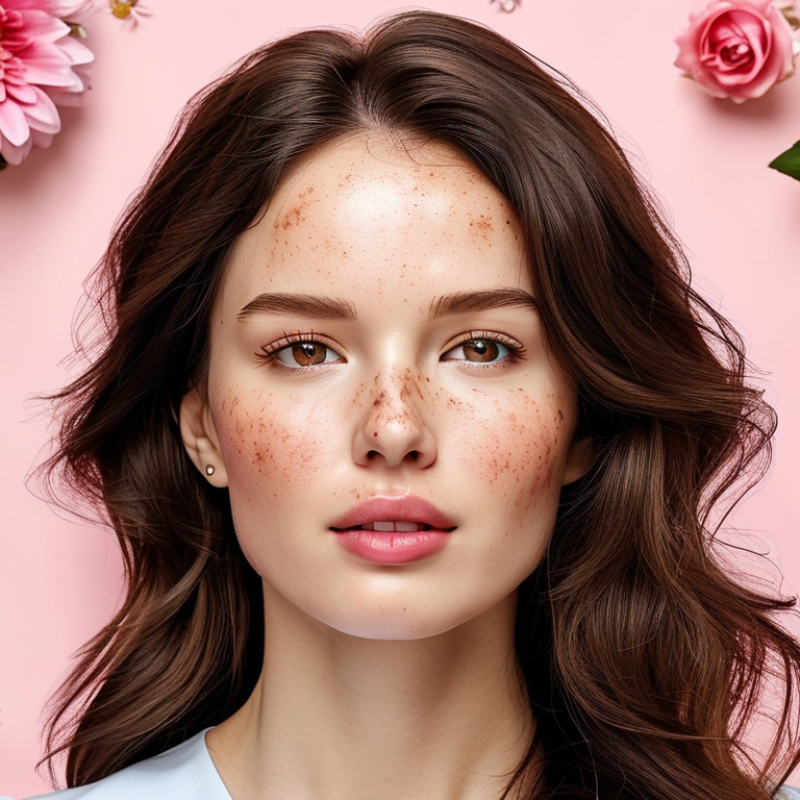
Dark spots and hyperpigmentation are common skin concerns. They form when melanin production increases, often due to sun exposure or inflammation. According to a study by the American Academy of Dermatology, about 90% of people experience some form of skin discoloration by age 50. This indicates that the issue is widespread and requires effective solutions.
The science behind this phenomenon shows that ultraviolet (UV) rays stimulate melanocytes, the cells responsible for melanin production. Research published in the Journal of Clinical and Aesthetic Dermatology highlights the effectiveness of ingredients like vitamin C and niacinamide in reducing dark spots. These ingredients can inhibit melanin transfer, leading to more even skin tone. Clinically, products containing these elements have shown a reduction in hyperpigmentation within just a few weeks of use.
Despite advancements, some challenges remain. Not every treatment works for all skin types. Additionally, factors such as hormonal changes or genetics can complicate treatment outcomes. It’s crucial to approach the problem with a personalized strategy, considering these variables. Users should be aware that patience is key, as results may take time. Understanding your skin's unique needs can significantly influence the choice of treatment and its effectiveness.
When it comes to combating dark spots, the right ingredients in serums can make a significant difference. Key components often include vitamin C, niacinamide, and hydroquinone, each serving unique purposes. Vitamin C is known for its brightening properties. According to a report by the American Academy of Dermatology, vitamin C can reduce pigmentation by up to 50% after consistent use. However, not all forms of vitamin C are equally effective, and choosing the right variant is essential for achieving desired results.
Niacinamide has gained attention for its ability to improve skin tone and minimize dark spots. A 2021 study published in the Journal of Clinical and Aesthetic Dermatology found that niacinamide can lead to a 30% reduction in hyperpigmentation over a period of 12 weeks. While many serums contain this ingredient, the concentration can vary widely. Higher concentrations do not always guarantee faster results, which can lead to disappointment if expectations are not managed.
Hydroquinone is another widely-discussed ingredient. It is highly effective but can lead to skin irritation in some cases. According to the American Journal of Dermatology, long-term usage may cause issues such as ochronosis. Users must weigh the benefits against potential side effects. This highlights the importance of understanding individual skin types and reactions to specific ingredients. Each person's skin is different, and what works for one may not work for another.
This chart showcases the effectiveness of key ingredients commonly found in facial serums for treating dark spots. The data reflects user satisfaction rates based on ingredient performance, measured on a scale from 1 to 100.
When choosing facial serums for dark spots, effectiveness is key. Many products promise to lighten and brighten, yet results can vary. Ingredients like vitamin C, niacinamide, and alpha arbutin are often highlighted. These components may help in fading hyperpigmentation over time. It’s important to note that not every serum works for every skin type.
Users often report mixed results. Some see improvements in a few weeks, while others need longer to notice changes. Patch testing prior to using a new serum can be a wise choice. It helps identify any adverse reactions. Consistency is also crucial; skipping days can diminish effectiveness.
While many serums claim to be the best, the power lies in individual skin responses. Research often suggests a multifaceted approach, combining SPF use and other skin care techniques. This might seem overwhelming, but it ultimately aids in achieving clearer skin. Days of frustration could lead to the discovery of what truly works for you. Be patient and open to experimenting.
When using facial serums to target dark spots, application techniques are essential. Research shows that effective application can enhance serum absorption by up to 40%. Cleanse your face before applying the serum. This ensures your skin is free from dirt and oils, allowing the active ingredients to penetrate better.
Use gentle, upward strokes. This method promotes better blood circulation and helps the serum soak in. Applying serums on slightly damp skin can boost absorption, as moisture helps the ingredients to penetrate deeper layers. Focus on areas with dark spots. However, using too much serum isn’t ideal. Overloading can lead to excess product sitting on the skin, which may cause irritation.
**Tips:**
Apply serums at night for best results. Nighttime use allows for uninterrupted absorption, maximizing effectiveness. Additionally, consider layering with a moisturizer. This locks in hydration and protects your skin barrier. Lastly, always perform a patch test for new products. This simple step can prevent potential skin reactions and allows you to gauge effectiveness.
| Serum Name | Key Ingredients | Main Benefits | Application Tips |
|---|---|---|---|
| Brightening Serum A | Vitamin C, Niacinamide | Reduces dark spots, Evens skin tone | Apply to clean skin, followed by moisturizer. |
| Hydrating Serum B | Hyaluronic Acid, Licorice Root | Hydrates skin, Lightens dark spots | Use twice daily for best results. |
| Repair Serum C | Retinol, Peptides | Stimulates collagen, Reduces pigmentation | Apply at night, use sunscreen during the day. |
| Soothing Serum D | Azelaic Acid, Willow Bark | Calms irritated skin, Brightens complexion | Best for sensitive skin, apply after toner. |
| Exfoliating Serum E | Glycolic Acid, Lactic Acid | Exfoliates dead skin, Even skin tone | Start with once a week, increase frequency as tolerated. |
In the pursuit of brighter skin, facial serums for dark spots are common. However, using serums alone may not yield the results you desire. A comprehensive skincare routine can enhance their effectiveness.
For better results, consider regular exfoliation. Exfoliating removes dead skin cells, allowing serums to penetrate deeper. You can use chemical exfoliants like AHAs or BHAs. They are generally gentle and effective. Aim to exfoliate two to three times a week. This will reveal fresher skin underneath. But remember, over-exfoliation can lead to irritation.
Hydration is also critical. Moisturized skin supports cellular renewal and improves the skin barrier. Include a quality moisturizer in your routine. Look for ingredients like hyaluronic acid and glycerin, which attract water to the skin. Apply your serum on slightly damp skin for better absorption.
Additionally, sun protection cannot be overlooked. UV exposure worsens dark spots, so wear broad-spectrum sunscreen daily. Aim for an SPF of at least 30. Reapply every two hours, especially when outdoors. Even on cloudy days, UV rays can penetrate the skin.
Skincare is about balance and experimentation. Everyone's skin responds differently. Track changes and adjust your routine accordingly. What works for one may not work for another, and that’s perfectly normal. Listen to your skin—it will guide you.
: They occur from increased melanin production due to sun exposure or inflammation.
About 90% of people experience some form of skin discoloration by age 50.
Not all treatments are effective for every skin type, also factors like genetics play a role.
Vitamin C and niacinamide can inhibit melanin transfer, promoting an even skin tone.
Exfoliate two to three times a week for optimal serum penetration and skin renewal.
Moisturized skin supports cellular renewal and improves the skin barrier for better product absorption.
Use broad-spectrum sunscreen daily with at least SPF 30, even on cloudy days.
Track your skin's changes and adjust your routine. What works can vary greatly from person to person.
Patience is key, as results may take time to appear.
Yes, over-exfoliation can cause irritation. Balance is crucial in any skincare routine.
In the quest to address hyperpigmentation, understanding the science behind dark spots is crucial. Dark spots can result from various factors such as sun exposure, hormonal changes, and aging. To combat these, serums containing specific key ingredients like vitamin C, niacinamide, and alpha arbutin have proven effective. When searching for "what facial serum helps with dark spots," one should consider formulations that target uneven skin tone while also promoting overall skin health.
Maximizing the benefits of these serums involves proper application techniques, such as using them on clean skin and following with moisturizers or sunscreens. Additionally, integrating serums into a comprehensive skincare regimen, which includes sun protection and exfoliation, can enhance their efficacy in reducing dark spots. With thoughtful selection and consistent application, these serums can play a significant role in achieving a brighter, more even complexion.
